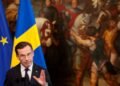

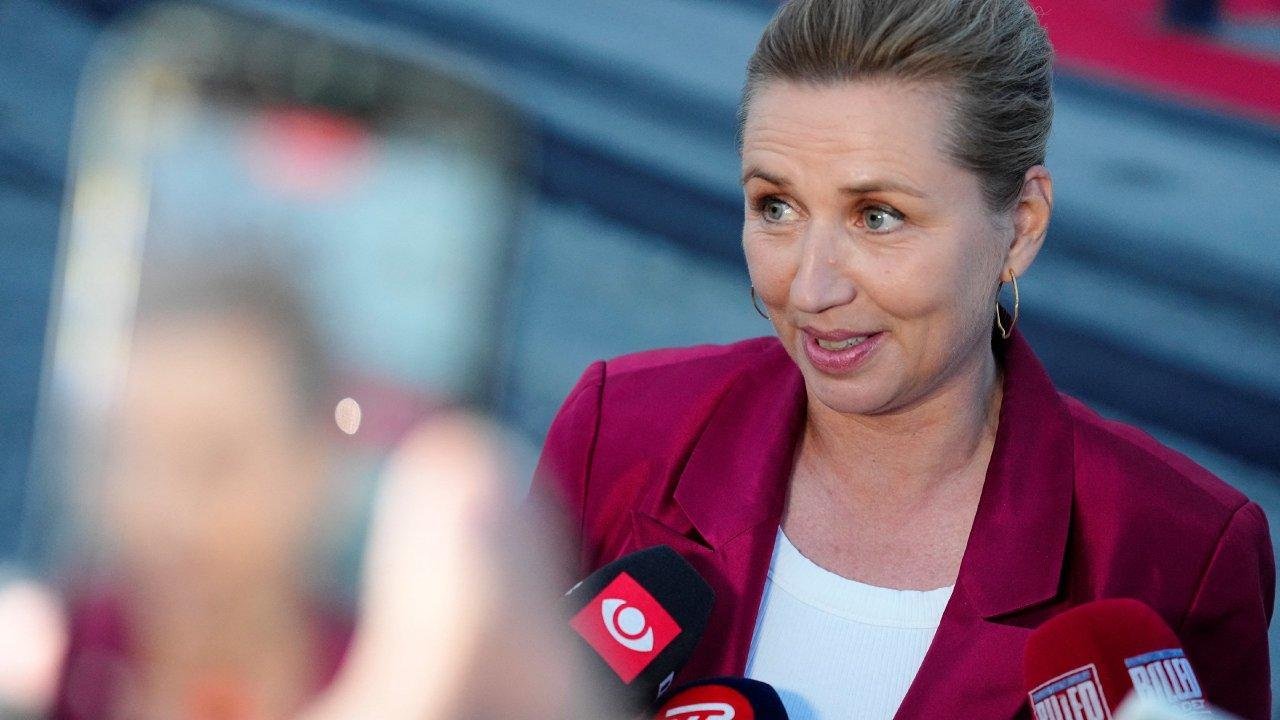
COPENHAGEN, Denmark: In a political moment defined by fragmentation at home and geopolitical friction abroad, Danish Prime Minister Mette Frederiksen has secured a third consecutive term, reaffirming her grip on power while steering the country into a more distinctly left-leaning phase of governance.
After months of post-election deadlock following the March 24 vote, Frederiksen announced that a new centre-left coalition government had been formed, ending a prolonged period of uncertainty in Danish politics. The agreement, reached after intense negotiations among a deeply divided parliament of 12 parties, underscores both the resilience of Denmark’s consensus-driven political system and the growing complexity of its electoral landscape.
“I have been to see His Majesty the King and announced that a government can be formed after long negotiations,” Frederiksen stated, signaling the conclusion of one of the most protracted coalition-building efforts in recent Danish history.
Yet this victory is far from emphatic. Frederiksen’s Social Democrats, while remaining the largest party, saw their representation fall sharply from 50 to 38 seats in the 179-member parliament—a clear reflection of voter dissatisfaction amid a persistent cost-of-living crisis. Danish voters, like many across Europe, are increasingly restless over inflation, energy prices, and economic uncertainty, reshaping traditional political loyalties.
The new coalition comprising the Social Democrats, Social Liberals, Left Greens, and the centrist Moderates will govern as a minority, relying heavily on external parliamentary support, particularly from the far-left Red-Green Alliance. This delicate arrangement suggests that Frederiksen’s third term will be defined less by dominance and more by negotiation, compromise, and strategic balancing.
Importantly, this marks a notable ideological shift. Frederiksen’s previous government was an unconventional cross-bloc experiment that included right-leaning Liberals. The new coalition, however, signals a return to a more traditional centre-left alignment, potentially reshaping Denmark’s policy priorities on welfare, climate, and social equity.
Among the immediate challenges facing the government is a deepening diplomatic rift with the United States over Greenland. Former U.S. President Donald Trump’s renewed rhetoric around the strategic Arctic territory has reignited tensions, placing Denmark in a complex geopolitical position. Greenland, an autonomous territory within the Kingdom of Denmark, is increasingly central to global strategic competition, particularly as Arctic routes and resources gain prominence.
Simultaneously, Frederiksen must accelerate Denmark’s military expansion as Europe’s security environment deteriorates amid the ongoing war in Ukraine. Defense spending, NATO commitments, and regional deterrence strategies will dominate the government’s early agenda, testing its ability to align domestic consensus with international obligations.
Frederiksen has framed her new government as one built “for the people who are in Denmark and for the generations to come and also for the animals,” highlighting a policy platform that blends social welfare with environmental and animal rights priorities issues that resonated strongly during the election campaign.
However, rhetoric will quickly give way to reality. Governing without a clear majority, navigating economic discontent, and managing geopolitical tensions will require more than political survival, it will demand strategic clarity and decisive leadership.
Frederiksen’s third term is not merely a continuation; it is a recalibration. Denmark now enters a phase where political endurance will depend on adaptability, and where domestic pressures intersect with global uncertainties. The question is no longer whether Frederiksen can lead, but whether she can transform a fragile mandate into durable governance.
-Stine Solsvik