



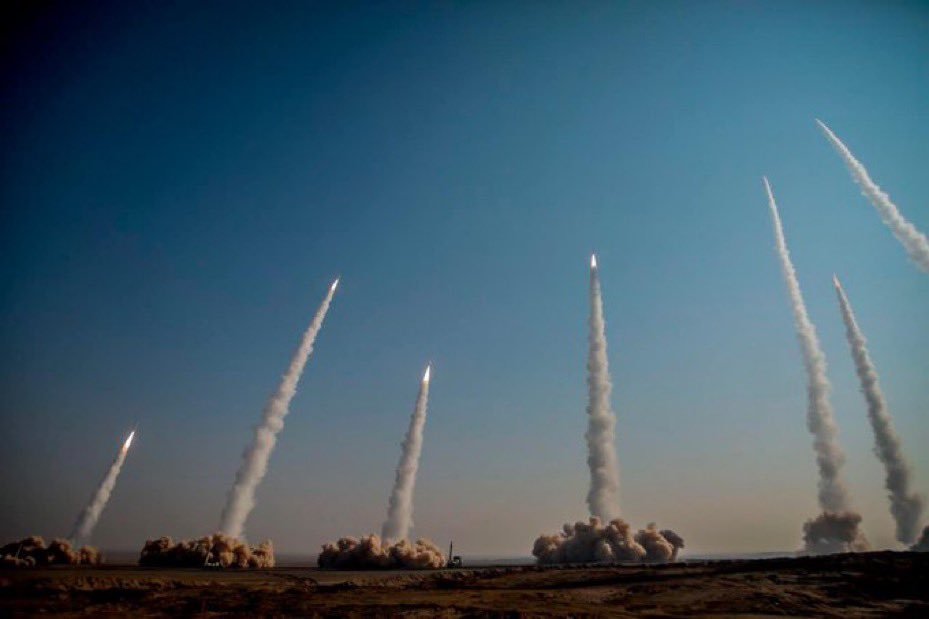
TEHRAN/WASHINGTON: Iran’s missile and drone strikes on Kuwait, damaging airport infrastructure, suspending flights, and injuring dozens mark a significant escalation in a conflict that was never fully contained. Within hours, the United States launched retaliatory strikes near the Strait of Hormuz, targeting Iranian missile sites and naval assets accused of threatening shipping lanes. This is no longer a limited confrontation. It is an increasingly direct and dangerous conflict, testing not only military boundaries but also the credibility of diplomacy.
The targeting of Kuwait is especially significant. A key U.S. partner in the region, Kuwait now finds itself directly exposed to the conflict. The message from Tehran is clear: any state hosting U.S. military assets could become a target.
Washington continues to describe its actions as defensive. However, repeated strikes on Iranian territory are blurring the distinction between deterrence and escalation. Each side claims to be responding, yet both are actively driving the conflict forward.
At the center of this crisis is the Strait of Hormuz, one of the world’s most critical energy corridors. Even limited disruption has already pushed oil prices higher and unsettled global markets. The longer the strait remains contested, the more this conflict evolves from a regional crisis into a global economic threat.
Diplomacy, meanwhile, is struggling to keep pace.
According to WorldAffairs reporting and regional sources, discussions between Washington and Tehran have pointed toward a possible interim agreement focused on reopening the strait and easing limited sanctions. However, such a deal would likely serve as a temporary pause rather than a lasting solution.
The core issues remain unresolved: Iran’s nuclear program, U.S. sanctions, regional military influence, and Israel’s security concerns. This is the central dilemma. The drivers of the conflict are not being resolved, they are being postponed.
For Iran, the strategy appears to be endurance: absorb military pressure while leveraging regional influence and energy disruption to gain concessions. For the United States, the goal is to stabilize oil markets, avoid a broader war, and demonstrate progress without making major concessions.
Gulf states are increasingly vulnerable. Repeated attacks on countries such as Kuwait and Bahrain highlight the widening scope of the conflict and the growing risks for regional stability.
At the same time, Israel’s continued strikes in Lebanon against Hezbollah add another layer of volatility. The risk of overlapping conflicts threatens to derail already fragile diplomatic efforts.
What is emerging is not peace, but managed instability.
Even if an agreement is reached, it is likely to be temporary, fragile, and open to interpretation. A ceasefire without addressing root causes risks becoming a pause between cycles of escalation.
The consequences extend far beyond the region. A prolonged crisis in the Gulf threatens global energy supplies, economic stability, and international security.
This is no longer just a regional conflict. It is a global risk with no clear resolution in sight.
-Montrea Zengerle and Timothy Heritage
ite & Analytical