



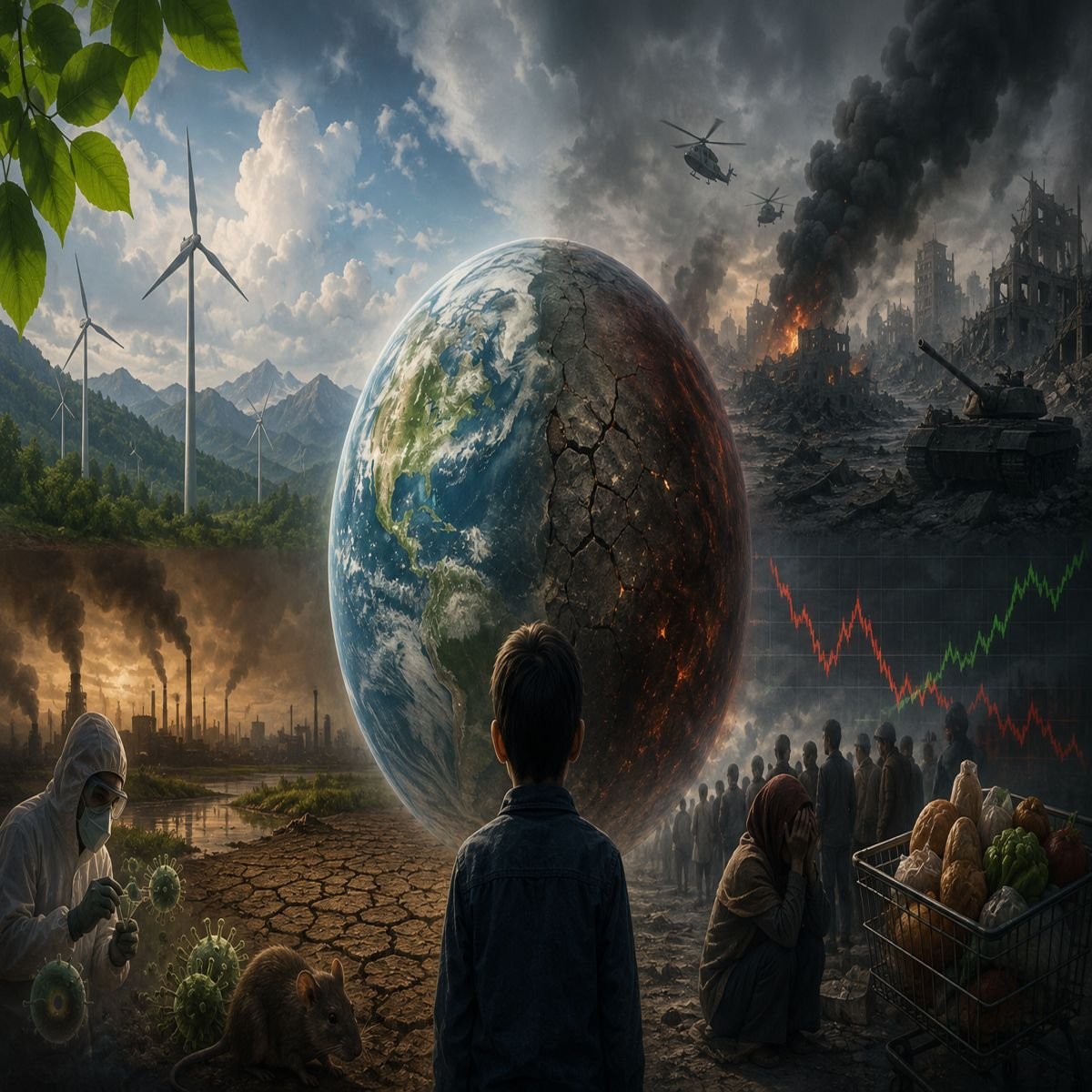
World Environment Day arrives this year in a world already under strain. Wars are expanding, energy markets remain unstable, and food prices continue to pressure households across continents. At the same time, another layer of anxiety has quietly re-entered public discourse: disease outbreaks. Recent concerns surrounding Ebola and Hantavirus serve as reminders of how quickly localized health threats can escalate into global emergencies.
What remains striking, however, is how often these crises are still treated in isolation.
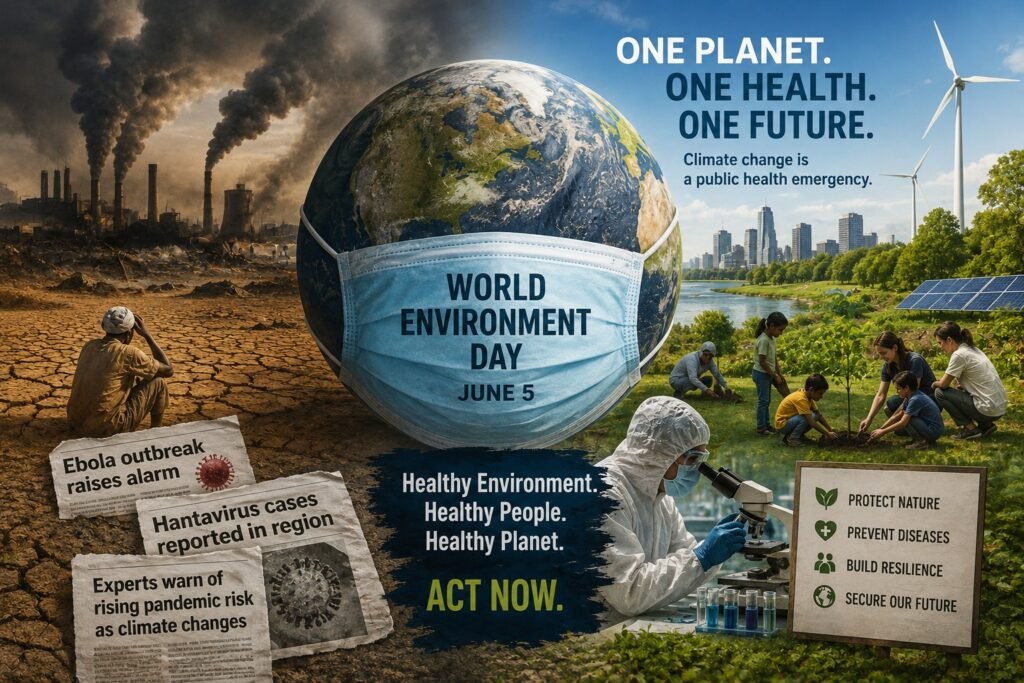
Conflict, climate change, and public health are deeply interconnected forces shaping global stability. Climate change is no longer just an environmental issue, it is a growing public health emergency.
Shifting temperatures, erratic rainfall, flooding, and land-use changes are transforming how diseases spread. As ecosystems are disrupted, animals migrate, habitats shrink, and human exposure to previously isolated pathogens increases. Scientists have long warned that environmental degradation accelerates zoonotic spillovers, diseases jumping from animals to humans.
The COVID-19 pandemic exposed this reality with devastating clarity. Yet, the urgency of that lesson appears to be fading. With Ebola and Hantavirus once again making headlines, the underlying question resurfaces: are we addressing the root conditions that make such outbreaks more likely?
Environmental stress rarely operates in isolation. It weakens systems gradually but persistently.
Extreme heat overwhelms healthcare infrastructure. Flooding contaminates water supplies. Drought drives food insecurity and displacement. Air pollution intensifies respiratory illnesses. Meanwhile, mental health challenges, especially among younger generations facing climate anxiety, continue to rise. Conflict compounds each of these pressures.
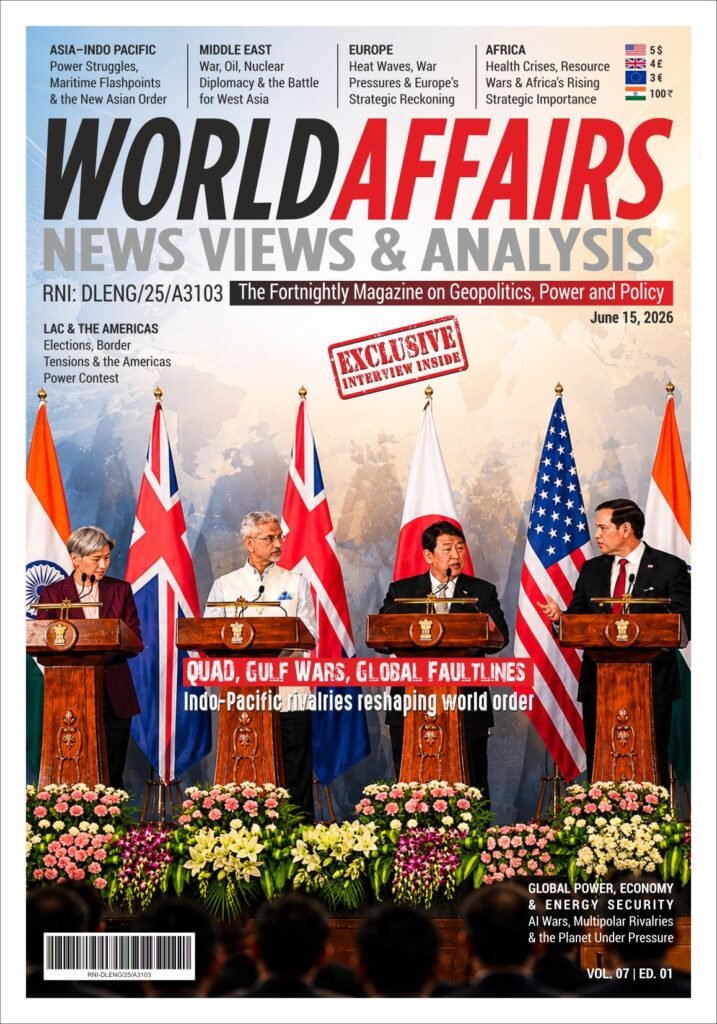
Recent geopolitical tensions involving major global powers highlight how fragile interconnected systems have become. War disrupts healthcare delivery, damages infrastructure, and diverts attention toward immediate crises. In environmentally vulnerable regions, this combination creates a dangerous multiplier effect.
Today, the world faces over one hundred active conflicts of varying intensity. Each places additional strain on already fragile systems. Yet, while governments focus heavily on reacting to crises, far less attention is given to the underlying drivers, chief among them, climate change.
Unlike sudden disasters, climate change unfolds through accumulation: longer heatwaves, declining crop yields, expanding disease vectors, and increasing water stress. These gradual shifts intersect with political instability, migration, and economic inequality, placing public health at the center of a complex global challenge.
A growing concern is society’s psychological adaptation to constant crisis. Extreme weather events that once shocked now pass quickly through news cycles. Record temperatures are normalized. Outbreak warnings come and go with little sustained reflection. The risk is not just environmental degradation, it is collective complacency.
Yet, there is also a sense of agency.
Younger generations increasingly recognize the interconnected nature of climate, health, and social stability. Movements focused on environmental action are also building resilience at the community level, linking sustainability with long-term societal well-being.
Still, the pace of institutional response remains slow.
Perhaps the uncomfortable truth is that humanity tends to act decisively only when threats become immediate and personal. Climate change, despite decades of warnings, often feels too gradual for political systems driven by short-term priorities. Pandemics, however, demand immediate attention. They disrupt lives, economies, and borders at unprecedented speed.
This raises a critical question: will it take another global pandemic to force meaningful climate action?
Waiting for crises to escalate into catastrophes is a costly strategy. The convergence of environmental stress, geopolitical instability, and rising disease risks suggests that the next global emergency may not be isolated, it may be systemic.
World Environment Day serves as a reminder that climate change is already shaping human health outcomes. The challenge now is whether policymakers, institutions, and societies will act proactively or continue reacting only when the consequences become unavoidable.
–By Ash Pachauri, Co-Founder and Leader of the POP Movement