

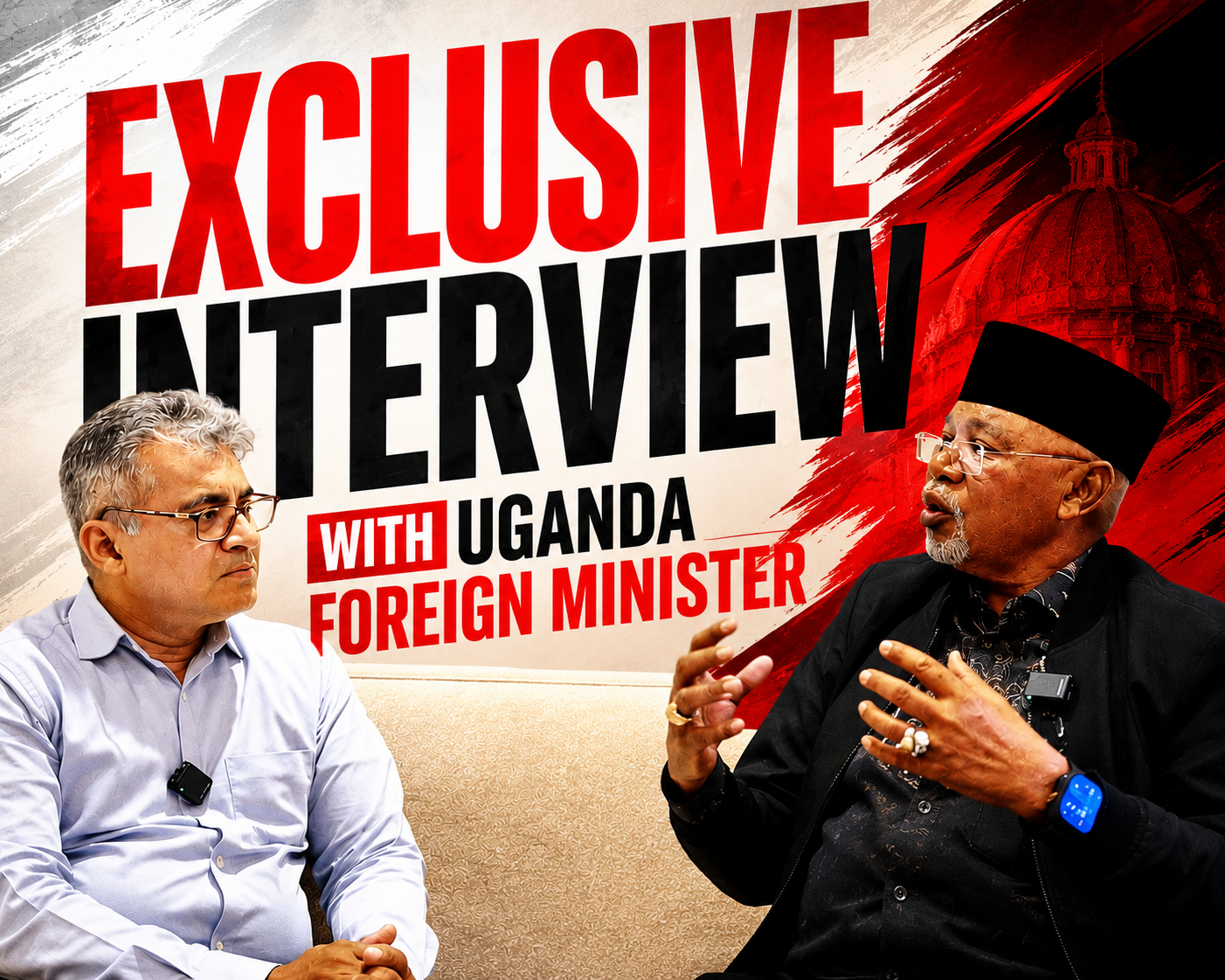
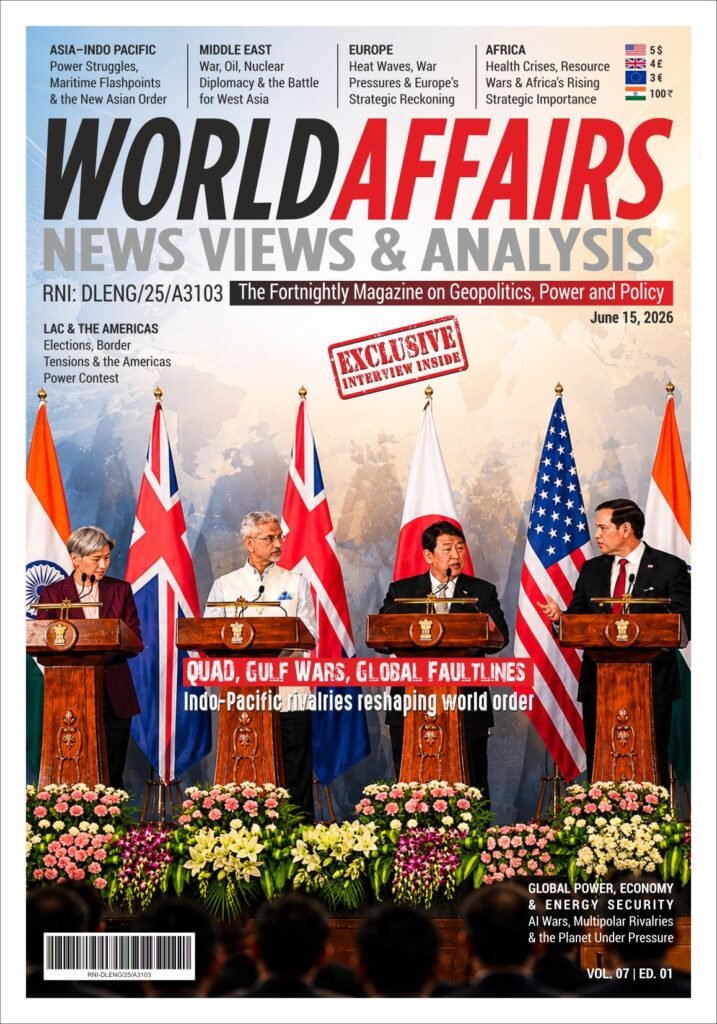
KAMPALA / NEW DELHI/ GLOBAL DESK: In an exclusive high-level interview conducted by Dr. M. Shahid Siddiqui, Editor-in-Chief of WorldAffairs – News, Views & Analysis, Uganda’s Minister of Foreign Affairs, Gen. Odongo Jeje Abubakhar, shares a powerful and forward-looking perspective on Africa’s rising global influence, the emergence of a multipolar world, and the expanding strategic partnership with India.
At a time when global power dynamics are rapidly shifting, the Minister offers rare insights into Africa’s growing role in global governance, energy security, trade, and geopolitical decision-making while emphasizing Uganda’s commitment to strategic autonomy, regional stability, and Global South cooperation.
WorldAffairs: Africa is increasingly becoming central to global geopolitics, energy security, and strategic competition. How does Uganda view Africa’s rising role within the emerging multipolar world order?
Minister Odongo J. Abubakhar: There is no doubt that the world is going through a major geopolitical transition. What we are witnessing is a steady shift in how power is distributed globally, a process that began decades ago but is now far more visible. For years, global affairs were shaped largely by one dominant power. Today, that landscape is changing as multiple centers of influence emerge. This signals the rise of a multipolar world. In this environment, Africa no longer sees itself as a bystander. The continent is stepping forward as an active participant in shaping the future global order. With its natural resources, youthful population, growing markets, and strategic location, Africa is now central to discussions on energy, trade, food security, and global partnerships. Uganda believes Africa’s voice in global decision-making will only grow stronger as this transformation continues.
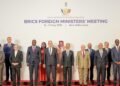
WorldAffairs: Uganda participated in the BRICS Foreign Ministers’ Meeting in India. What were the key strategic takeaways for Uganda and Africa from these discussions?
Minister Odongo J. Abubakhar: Uganda’s participation as a BRICS partner member provided an important platform to engage on critical global challenges. The discussions focused on two broad areas. First, global concerns such as climate change, humanitarian issues, and the need for stronger international cooperation. Uganda contributed its perspectives on how these challenges can be addressed more effectively. Second, there was a strong focus on reforming global governance systems. Many countries now feel that existing institutions no longer reflect current geopolitical and economic realities. There is a growing demand for a more inclusive and representative global order, one that gives developing nations a stronger voice. For Uganda, BRICS is an important avenue for engagement, and Africa’s increasing presence in the group reflects its rising global importance.
WorldAffairs: Do you believe platforms such as BRICS can provide stronger representation for Africa and the wider Global South in global governance and economic decision-making?
Minister Odongo J. Abubakhar: For a long time, Africa and the Global South have faced limited representation in global decision-making. Platforms like BRICS offer an opportunity to strengthen cooperation in trade, investment, and development. Uganda sees itself as actively engaged in this evolving global dialogue. Its leadership roles in the G77 and the Non-Aligned Movement further position it at the center of conversations around reforming global governance. BRICS, in this sense, represents a broader aspiration of the Global South to have a meaningful role in shaping the future international system.
WorldAffairs: How does Uganda assess India’s growing engagement with Africa, particularly in areas such as development partnerships, trade, technology, and diplomacy?
Minister Odongo J. Abubakhar: Prime Minister Narendra Modi’s visit to Uganda was a defining moment, especially his address to Parliament where he outlined key principles guiding India’s engagement with Africa. These principles marked a shift toward a partnership based on mutual respect and shared development goals rather than dependency. India’s engagement across sectors such as healthcare, education, technology, infrastructure, and trade has expanded significantly. Uganda appreciates this approach because it focuses on empowerment, skills development, and sustainable partnerships. India is increasingly seen as a reliable and trusted partner for Africa.
WorldAffairs: Uganda is strategically positioned within East Africa and possesses significant economic potential. Which sectors offer the greatest opportunities for deeper Uganda–India cooperation and investment?
Minister Odongo J. Abubakhar: Uganda continues to experience strong economic growth, positioning itself as an emerging hub in East Africa. To sustain this progress, partnerships with countries like India are essential. Uganda’s central location makes it ideal for regional trade and investment. There are major opportunities in infrastructure, agriculture, energy, manufacturing, healthcare, education, and digital technology. India’s strengths in IT, pharmaceuticals, and entrepreneurship align closely with Uganda’s development priorities. Uganda sees itself playing a growing role as a gateway to African markets.
WorldAffairs: As major powers expand their influence across Africa, how can African nations safeguard strategic autonomy while pursuing development partnerships?
Minister Odongo J. Abubakhar: Africa must retain the ability to define its own priorities and solutions. While partnerships are important, they must respect sovereignty and independence. Strategic autonomy and cooperation can go hand in hand when built on mutual respect and shared interests. Uganda believes partnerships should support development without compromising long-term independence.
WorldAffairs: Uganda has consistently advocated for regional stability and African-led solutions. How do you assess the evolving security and geopolitical landscape across East and Central Africa?
Minister Odongo J. Abubakhar: Security challenges remain a major concern across Africa and are closely tied to development. Uganda strongly supports the principle of African-led solutions, where countries take responsibility for resolving their own challenges while cooperating with global partners when needed. Uganda has played an active role in peacekeeping efforts in Somalia, South Sudan, and the Democratic Republic of Congo. Strengthening regional cooperation and dialogue will be critical to addressing evolving threats.
WorldAffairs: How important is continental integration, including initiatives such as the African Continental Free Trade Area (AfCFTA), in strengthening Africa’s global economic influence?
Minister Odongo J. Abubakhar: Continental integration is vital for Africa’s future. Initiatives like AfCFTA aim to increase intra-African trade and create a unified market. This will enhance Africa’s competitiveness globally and strengthen its economic position. Uganda believes integration will significantly boost Africa’s influence in global trade and negotiations.
WorldAffairs: Energy security and global instability are increasingly interconnected. How does Uganda assess the impact of global conflicts on Africa’s development and energy future?
Minister Odongo J. Abubakhar: Global conflicts have far-reaching effects on economies, energy markets, and development. Africa often feels these impacts even when conflicts occur elsewhere. Uganda emphasizes the importance of dialogue and stability, as these are essential for sustained growth and development.
WorldAffairs: In your view, how can India and African nations cooperate more effectively in food security, healthcare, digital innovation, education, and climate resilience?
Minister Odongo J. Abubakhar: India’s experience in technology, healthcare, and development offers significant opportunities for Africa. There is strong potential for collaboration in agriculture, healthcare systems, digital innovation, education, and climate resilience. Uganda sees India playing a key role in supporting Africa’s long-term development through investment and knowledge sharing.
WorldAffairs: Africa is home to the world’s youngest population. How can countries like Uganda transform demographic growth into long-term economic and geopolitical strength?
Minister Odongo J. Abubakhar: Africa’s young population is one of its greatest assets. With the right investments in education, skills, and employment, it can drive long-term growth. Uganda believes partnerships, particularly with countries like India, can help unlock this potential. With proper planning, Africa’s youth can become a major force in global economic and geopolitical transformation.
WorldAffairs: Finally, what message would Your Excellency like to share with readers of WorldAffairs regarding the future of Uganda, Africa, and Africa–India relations in the coming decade?
Minister Odongo J. Abubakhar: Strong global partnerships will be essential for future progress. No country can succeed in isolation. Uganda sees immense potential in Africa–India relations, particularly in areas like technology, infrastructure, and trade. The coming decade presents a major opportunity for transformation, not just for Africa and India, but for the Global South as a whole.
-GLOBAL DESK