

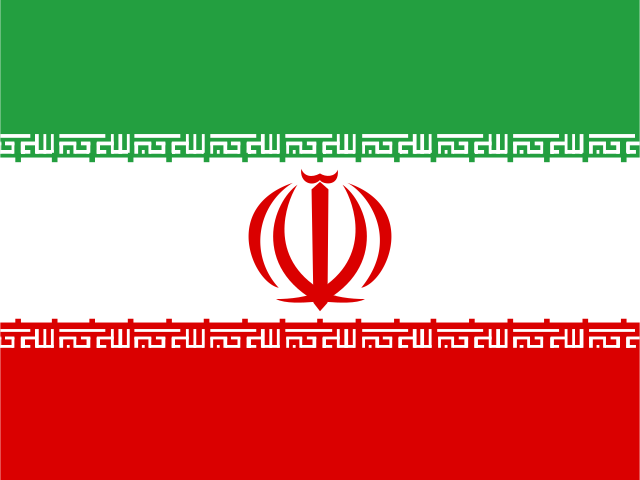
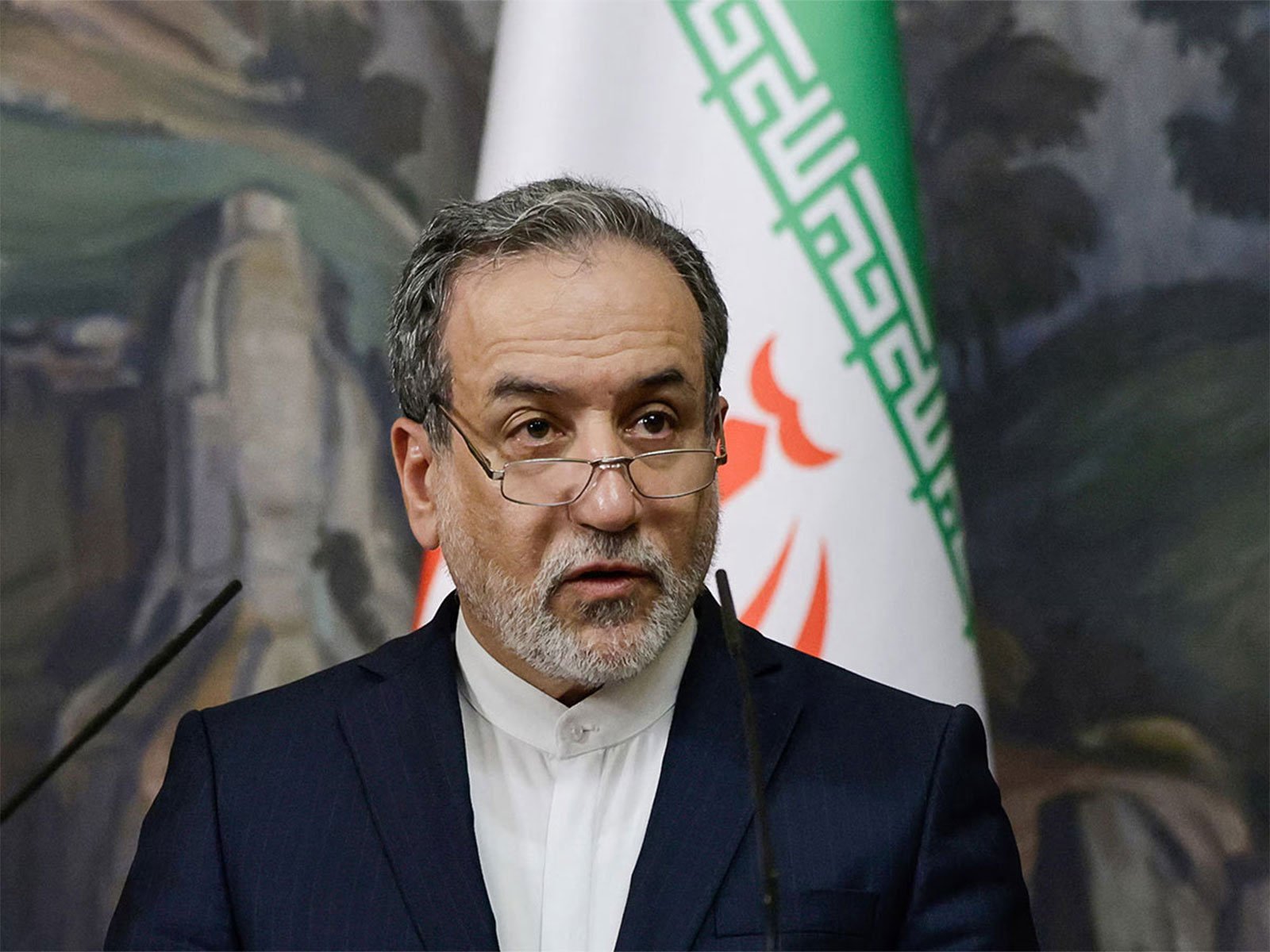
WASHINGTON/ISLAMABAD: The latest confrontation between Iran and the United States is not a failure of diplomacy; it is a demonstration of its misuse. When Donald Trump announced that American envoys were heading to Pakistan for fresh negotiations while simultaneously threatening to destroy Iran’s infrastructure, the contradiction was impossible to ignore. Tehran’s rejection of the talks was not surprising. Diplomacy framed as an ultimatum is rarely perceived as diplomacy at all.
What Washington appears to be pursuing is a classic model of coercive diplomacy, where pressure, deadlines, and threats are designed to force concessions. However, Iran is not an actor easily compelled by such methods. Decades of sanctions, military pressure, and isolation have shaped a strategic culture that prioritizes resistance over compliance. By rejecting talks under these conditions, Tehran is signaling that negotiations must be conducted on terms of relative parity, not submission.
The urgency built into the proposed timeline further weakens Washington’s position. The idea that meaningful progress could be achieved within a day, just before the expiration of a fragile ceasefire, suggests that the process is more about optics than substance. Serious negotiations require time, trust, and consistency, none of which are currently evident. Iran’s criticism of shifting positions, unrealistic expectations, and the continuation of a naval blockade underscores a deeper issue: a lack of credibility in the negotiating framework itself.
While political rhetoric dominates headlines, the real center of gravity lies in the Strait of Hormuz, one of the most critical chokepoints in the global energy system.
Iran’s decision to once again restrict passage through the strait after briefly signaling a reopening is not a tactical fluctuation but a strategic message. Control over this narrow passage provides Tehran with disproportionate influence over global oil flows, turning geography into leverage. The reported turning back of tankers reinforces the point that Iran is willing to weaponize this advantage in response to external pressure.
The economic consequences are immediate and global. Oil markets, which briefly reacted with optimism to signs of de-escalation, now face renewed uncertainty. Price volatility is not simply a byproduct of conflict; it is one of its central tools. By maintaining instability in the strait, Iran extends the impact of the الأزمة far beyond the region, affecting economies that have no direct role in the confrontation.
Amid this tension, Pakistan’s role as a mediator introduces another layer of complexity. Shehbaz Sharif has positioned Islamabad as a bridge between the two sides, but mediation under such conditions is fraught with risk. The visible security buildup in Islamabad, including restricted movement and heightened military presence, reflects the fragile nature of the process. Mediation in this environment is less about facilitating dialogue and more about managing escalation.
Trump’s threats to target Iran’s civilian infrastructure follow a familiar pattern. Escalatory rhetoric has often preceded moments of de-escalation, suggesting that such statements are intended to increase bargaining power rather than signal immediate action. However, this approach carries significant danger. Iran has already indicated that it would retaliate against regional energy infrastructure if attacked, raising the possibility of a broader conflict that could engulf multiple states and severely disrupt global energy supplies.
The conflict, now stretching into its eighth week, has evolved into a multidimensional crisis. Military engagements, economic disruptions, and political signaling are all unfolding simultaneously, creating a situation where miscalculation becomes increasingly likely. Thousands have already been affected, and shows little sign of a clear resolution.
At its core, this confrontation is about more than immediate policy disagreements. It is a test of how power is exercised in a changing global order. Coercion without credibility tends to provoke resistance rather than compliance, particularly when directed at a state that has built its identity around defiance. Iran’s refusal to engage under pressure is therefore not an end to diplomacy but a redefinition of its position.
Unless both sides adjust their approach, the current trajectory points toward continued instability. The Strait of Hormuz will remain a focal point of tension, not only because of its economic importance but because it symbolizes the broader struggle between pressure and sovereignty. In such an environment, diplomacy cannot succeed as long as it is presented as a demand rather than an exchange.
-Andy Feast and Nadia Maher
READ THE FULL E-MAGAZINE | WorldAffairs: Understand the World Before It Shapes You