

ADVERTISEMENT
  • About
  • Advertise
  • Privacy & Policy
  • Contact
thewnn.com
ADVERTISEMENT
  • Home
  • Politics
  • Business
  • Climate & Energy
  • WNN Exclusive
  • Others
    • AFRICA
    • EDUCATION
    • Entertainment
    • Environment
    • Europe
    • Finance
    • Health
    • Peace & Conflict
    • Religion & Faith
  • WNN AFRICA
  • en
    • ar
    • en
    • fr
    • fa
E-Magazine
No Result
View All Result
  • Home
  • Politics
  • Business
  • Climate & Energy
  • WNN Exclusive
  • Others
    • AFRICA
    • EDUCATION
    • Entertainment
    • Environment
    • Europe
    • Finance
    • Health
    • Peace & Conflict
    • Religion & Faith
  • WNN AFRICA
  • en
    • ar
    • en
    • fr
    • fa
No Result
View All Result
thewnn.com
No Result
View All Result
ADVERTISEMENT
ADVERTISEMENT
Home Middle East

Iran Closes Key Oil Route Amid U.S. Standoff

Share on FacebookShare on Twitter
ADVERTISEMENT

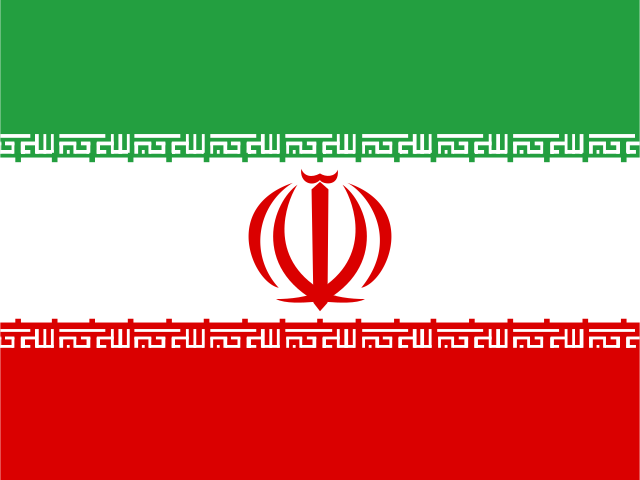
TEHRAN/WASHINGTON: Iran’s decision to fully close the Strait of Hormuz and open fire on commercial vessels marks a sharp escalation in its confrontation with the United States, transforming an already volatile standoff into a crisis with immediate global consequences. The move came after Washington reaffirmed its naval blockade of Iranian ports, a pressure strategy aimed at forcing concessions in nuclear negotiations, but one that has now triggered a direct and forceful response from Tehran.

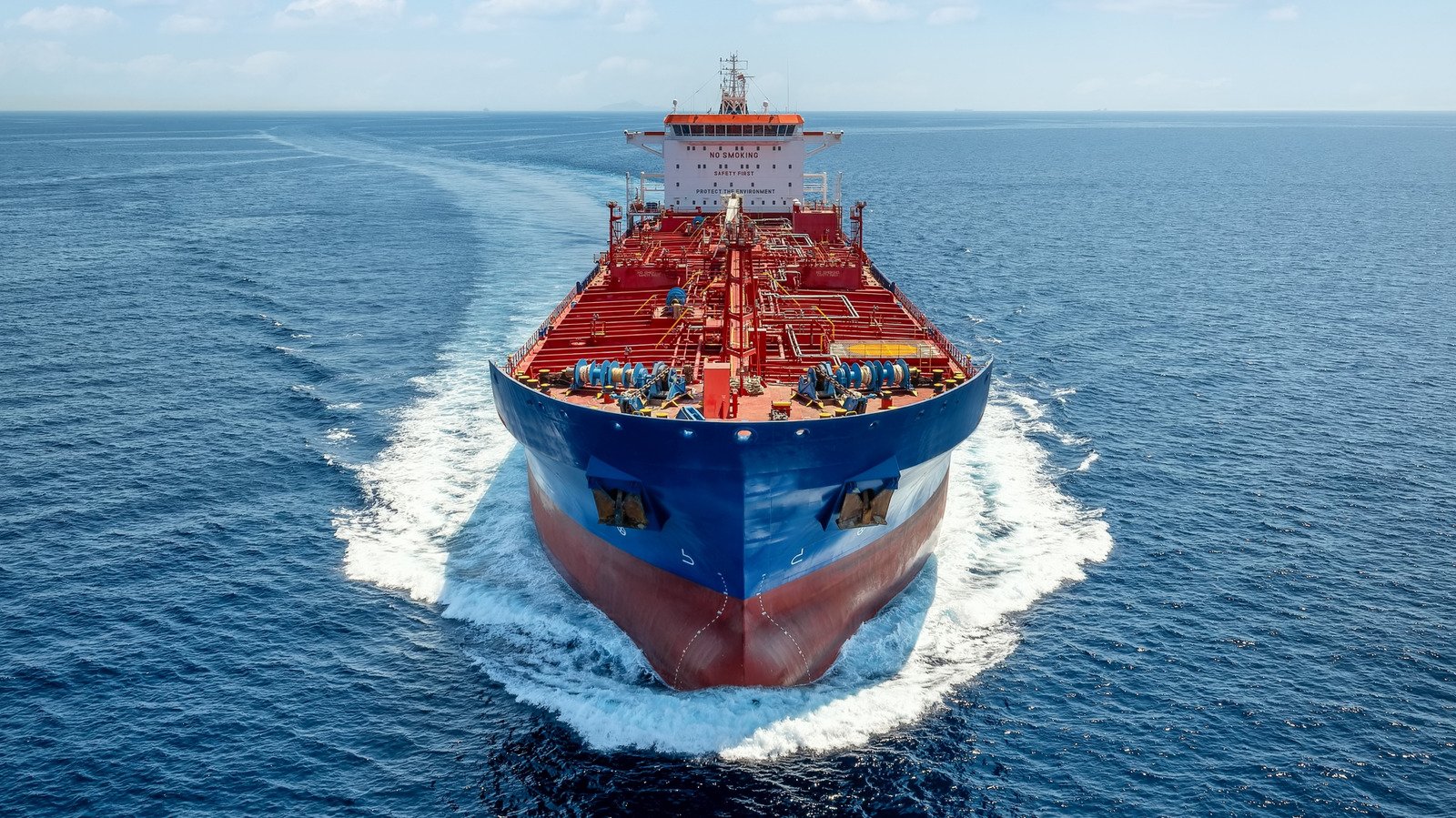
The Strait of Hormuz is one of the world’s most critical maritime chokepoints, carrying nearly one-fifth of global oil supplies. By shutting it down, Iran has effectively weaponised geography, leveraging its control over the narrow waterway to impose costs not just on the United States but on the entire global economy. The warning issued by Iran’s Revolutionary Guard navy that any vessel attempting transit would be considered hostile signals a transition from limited disruption to full-spectrum denial of access.

Reports of Iranian gunboats firing on a tanker and damaging a container vessel underscore the seriousness of the escalation. The targeting of India-flagged ships has already drawn diplomatic protest from New Delhi, indicating how quickly the impact is expanding beyond a bilateral conflict. The involvement of neutral commercial shipping raises the risk of broader international entanglement, particularly as multiple naval forces operate in the region.

This confrontation must be understood within the wider geopolitical context. The crisis unfolds against the backdrop of an ongoing regional war involving Iran, Israel, and allied groups, as well as fragile ceasefire efforts that appear increasingly uncertain. Diplomatic channels remain open, with Pakistan attempting to mediate, but both Washington and Tehran continue to hold firm positions. Iran has rejected key U.S. demands, including relinquishing enriched uranium stockpiles, while the United States has insisted on maintaining maximum pressure through its blockade.

For Iran, closing the strait is its most powerful strategic lever. It allows Tehran to shift the burden of escalation onto the global economy, amplifying pressure on oil-importing nations and potentially fracturing international support for U.S. policies. For the United States, however, the blockade is seen as essential to maintaining leverage in negotiations. This creates a classic escalation dynamic in which each side’s strategy reinforces the other’s resolve, reducing the space for compromise.

ADVERTISEMENT

The implications for global energy markets are immediate and severe. Even temporary disruptions in the Strait of Hormuz can trigger sharp increases in oil prices, disrupt supply chains, and fuel inflation across major economies. A prolonged closure would force countries to rely on strategic reserves and alternative routes, many of which lack the capacity to fully compensate for the loss of this critical corridor.

Advertisement. Scroll to continue reading.

Beyond energy, the crisis highlights a broader transformation in global geopolitics. Economic tools such as sanctions and blockades are increasingly being countered with asymmetric responses targeting infrastructure and trade routes. This raises the risk that critical nodes of globalisation ports, shipping lanes, and digital networks become routine of strategic competition.

The involvement of regional actors adds further complexity. Pakistan’s mediation efforts reflect an attempt to prevent escalation, while developments in Lebanon, including attacks on peacekeepers, underline the interconnected nature of the conflict landscape. What is unfolding in the Strait of Hormuz cannot be isolated from these parallel tensions; rather, it is part of a wider regional and global realignment.

ADVERTISEMENT
ADVERTISEMENT

The United States now faces a difficult choice: continue the blockade and risk further escalation, or ease pressure and potentially weaken its negotiating position. Iran, meanwhile, is betting that the global economic impact of the closure will force a reconsideration of U.S. policy. Both sides appear prepared for a prolonged standoff, increasing the danger of miscalculation.

As the situation evolves, the Strait of Hormuz has once again become the focal point of a crisis that extends far beyond the Gulf. The coming days will be critical in determining whether diplomatic efforts can contain the escalation or whether the world is heading toward a deeper and more disruptive phase of conflict.

–Daphne Wallis

READ THE FULL E-MAGAZINE | WorldAffairs: Understand the World Before It Shapes You

Tags: #BreakingNews#EnergyCrisis#Geopolitics#GlobalEconomy#GlobalSouth#IranUS#MaritimeSecurity#MiddleEast#OilMarkets#StraitOfHormuz#WNN#WorldAffairsNewsshahid siddiquiUSAWNN
ADVERTISEMENT
Previous Post

Hormuz Reopens, But Strategic Risk Persists

Stay Connected

  • 23.9k Followers
  • 99 Subscribers
  • Trending
  • Comments
  • Latest
Trump Confirms Maduro Arrest, Signals U.S. Control in Venezuela

Trump Confirms Maduro Arrest, Signals U.S. Control in Venezuela

January 3, 2026
Blueprints from the Past: Rethinking India’s Tourism with Tradition at Its Heart

Blueprints from the Past: Rethinking India’s Tourism with Tradition at Its Heart

August 21, 2025
After Maduro: The High Cost of a Violent Shortcut

After Maduro: The High Cost of a Violent Shortcut

January 4, 2026
“Sudan’s War Is Not Civil, It’s a Proxy Battle”, Envoy Accuses UAE of Arming RSF Militia

“Sudan’s War Is Not Civil, It’s a Proxy Battle”, Envoy Accuses UAE of Arming RSF Militia

November 3, 2025
WNN Launches to Deliver Real News, Real Time, Worldwide

WNN Launches to Deliver Real News, Real Time, Worldwide

133
Putin Lambasts Trade Sanctions on Eve of Visit to China

Putin Lambasts Trade Sanctions on Eve of Visit to China

3
Astronauts From India, Poland, Hungary Return with NASA Veteran from Space Station

Astronauts From India, Poland, Hungary Return with NASA Veteran from Space Station

2
Trade, Talks, Tightrope: India’s Week That Rewrites Global Diplomacy

Trade, Talks, Tightrope: India’s Week That Rewrites Global Diplomacy

2
Iran Closes Key Oil Route Amid U.S. Standoff

Iran Closes Key Oil Route Amid U.S. Standoff

April 19, 2026
Hormuz Reopens, But Strategic Risk Persists

Hormuz Reopens, But Strategic Risk Persists

April 18, 2026
Europe Turns to India: Austria Deal Signals Strategic Shift

Europe Turns to India: Austria Deal Signals Strategic Shift

April 18, 2026
Iran war brings US close to net crude exporter

Iran war brings US close to net crude exporter

April 17, 2026

Recent News

Iran Closes Key Oil Route Amid U.S. Standoff

Iran Closes Key Oil Route Amid U.S. Standoff

April 19, 2026
Hormuz Reopens, But Strategic Risk Persists

Hormuz Reopens, But Strategic Risk Persists

April 18, 2026
Europe Turns to India: Austria Deal Signals Strategic Shift

Europe Turns to India: Austria Deal Signals Strategic Shift

April 18, 2026
Iran war brings US close to net crude exporter

Iran war brings US close to net crude exporter

April 17, 2026
ADVERTISEMENT
thewnn.com

WNN- (World Affairs News Network) is a GLOBAL news platform delivering fast, accurate, and deeply contextual reporting from every corner of the world. Built on the pillars of clarity, credibility, and context in collaboration with Wakanda Network (Africa) and Sadbhawna Today - India's National Daily Hindi Newspaper, WNN brings you real news as it unfolds, unfiltered, uncompromised, and globally relevant.

Follow Us

Email ID: editor@thewnn.com

Tel. No.: +1 (929) 607-9858

Subscribe on YouTube

Join Us on Facebook

WNN’s Hindi Partner

  • About
  • Advertise
  • Privacy & Policy
  • Contact

© 2025 thewnn.

Welcome Back!

Login to your account below

Forgotten Password?

Retrieve your password

Please enter your username or email address to reset your password.

Log In

Add New Playlist

No Result
View All Result
  • Home
  • Politics
  • Business
  • Climate & Energy
  • WNN Exclusive
  • Others
    • Africa
    • Education
    • Entertainment
    • Environment
    • Europe
    • Finance
    • Health
    • Peace & Conflict
    • Religion & Faith
  • WNN AFRCIA
  • E-MAGAZINE

© 2025 thewnn.