


TEHRAN/WASHINGTON : Iran’s calibrated reopening of the Strait of Hormuz is less a signal of de-escalation and more a tactical maneuver within a broader geopolitical contest with the United States. While the move has temporarily eased pressure on global energy markets, it underscores how maritime access is being used as leverage in high-stakes negotiations.
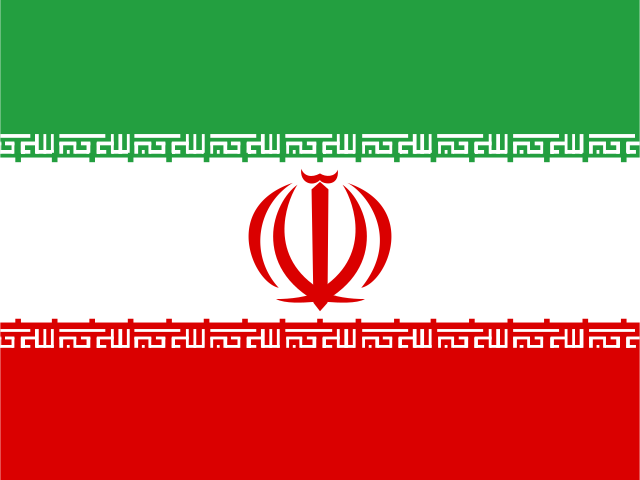
Tehran’s decision follows a U.S.-brokered ceasefire linked to the Israel-Lebanon conflict, but its conditional nature reveals the limits of current diplomacy. By tying the strait’s accessibility to the removal of U.S. naval restrictions, Iran is effectively reframing freedom of navigation as a negotiable asset rather than an international norm.
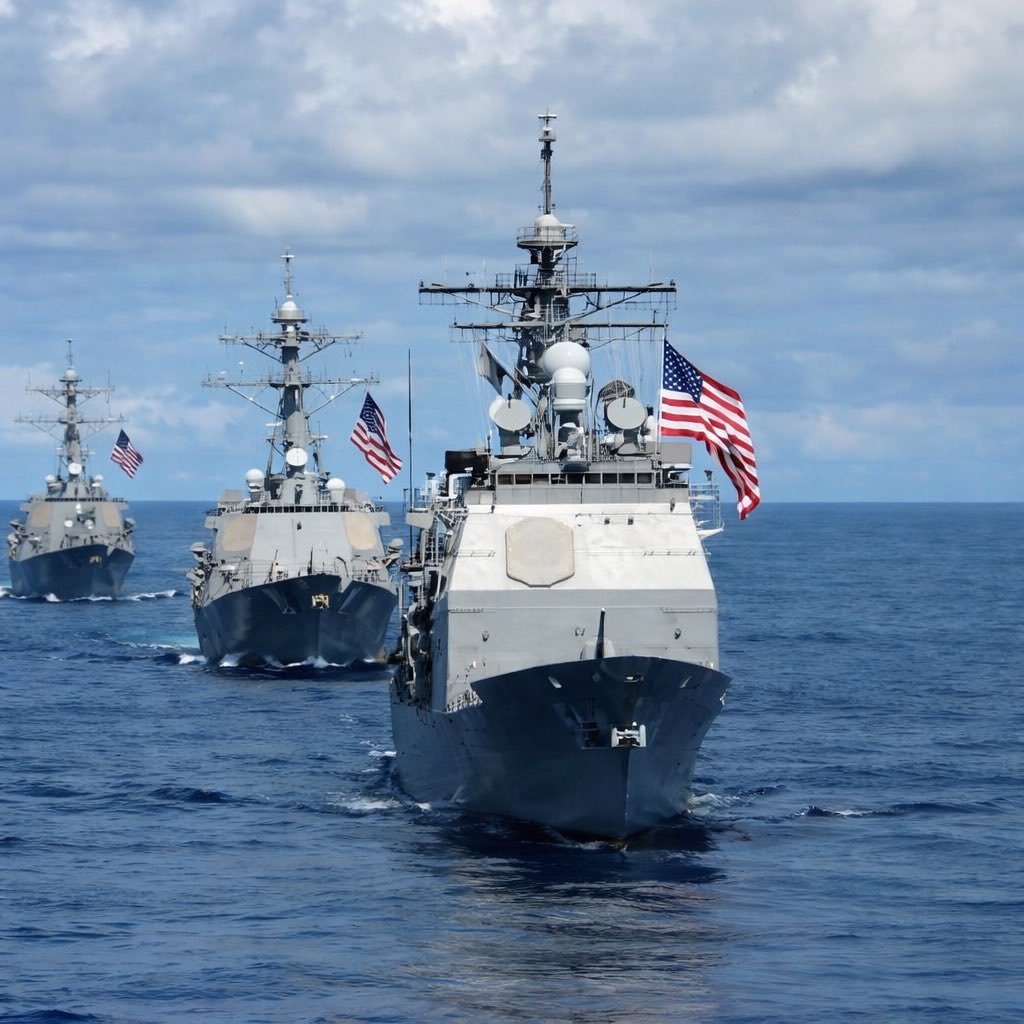
From Washington’s perspective, maintaining the blockade serves dual purposes: sustaining economic pressure on Iran while preserving bargaining power in nuclear negotiations. U.S. President Donald Trump’s insistence that restrictions will remain until a comprehensive “transaction” is finalized indicates a strategy aimed at forcing structural concessions rather than incremental compromise.
However, this brinkmanship carries systemic risks. The Strait of Hormuz is not merely a regional corridor; it is a central artery of the global economy, handling roughly 20% of the world’s oil flows. Even partial disruption introduces volatility across energy, shipping, and insurance markets. The immediate 10% drop in oil prices following the reopening reflects how sensitive markets are to even temporary shifts in access.
Yet, on-the-ground signals contradict the headline optimism. Vessel hesitancy, reports of aborted transits, and warnings about naval mines suggest that commercial confidence has not been restored. Iran’s new requirement for coordination with the Islamic Revolutionary Guard Corps adds another layer of uncertainty, effectively tightening military oversight over routine maritime operations.
Strategically, Iran’s posture blends deterrence with controlled escalation. By allowing limited passage while maintaining the threat of closure, Tehran preserves its ability to inflict economic disruption without crossing thresholds that could trigger direct military confrontation. This “gray zone” approach complicates U.S. responses, as it avoids clear violations while sustaining pressure.
The nuclear dimension remains the critical fault line. Washington’s push for a long-term suspension of Iran’s nuclear activity contrasts sharply with Tehran’s proposal of a shorter freeze, reflecting fundamentally different end goals. For the U.S., the objective is durable containment; for Iran, it is sanctions relief without surrendering strategic autonomy.
Emerging diplomatic signals particularly the possibility of talks in Islamabad suggest that both sides are exploring interim arrangements, including asset unfreezing and phased concessions. However, conflicting narratives over financial transfers and enforcement mechanisms reveal deep mistrust that could derail progress.
Meanwhile, proposals for a multinational maritime security mission highlight growing concern among global powers. Yet such initiatives risk further militarizing the Gulf, potentially entrenching rival blocs rather than stabilizing the situation.
The broader implication is clear: the reopening of the Strait of Hormuz is not a resolution but a recalibration. It reflects a shift from open confrontation to negotiated coercion, where economic chokepoints, naval power, and nuclear policy are tightly interwoven.
For global markets and policymakers, the key takeaway is not the temporary restoration of shipping flows, but the persistence of structural instability. As long as U.S.-Iran tensions remain unresolved, the Strait of Hormuz will continue to function less as a secure trade route and more as a geopolitical pressure point capable of reshaping energy dynamics at a moment’s notice.
-Alistair and Nia Bell
READ THE FULL E-MAGAZINE | WorldAffairs: Understand the World Before It Shapes You