


TEHRAN/ISLAMABAD/WASHINGTON: As the two-week ceasefire between Iran and the United States approaches its expiry, the unfolding situation reveals less a peace process and more a structured escalation disguised as diplomacy. The proposed second round of talks in Islamabad following the failed first round of the Islamabad Talks is now trapped between military actions, economic coercion, and irreconcilable political objectives.
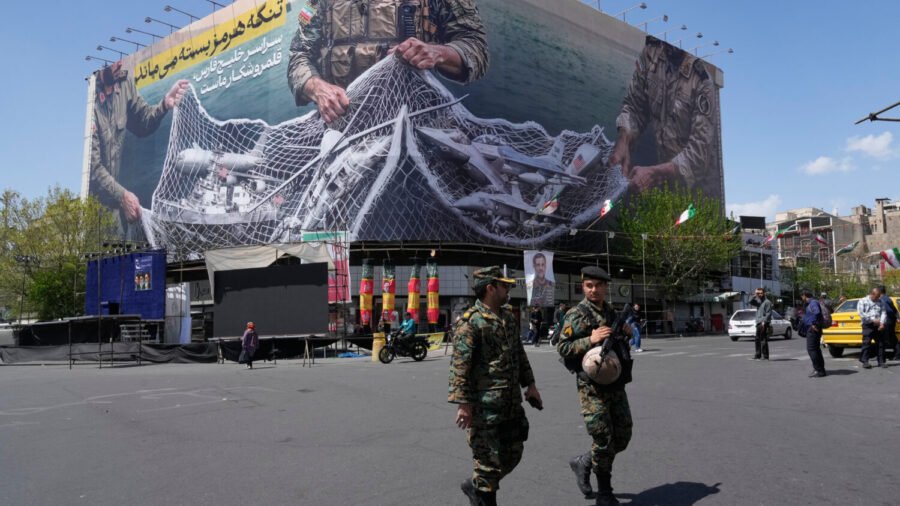
The central contradiction defining this crisis is stark: negotiations are being pursued simultaneously with intensifying acts of force. The U.S.-led naval blockade initiated after the collapse of earlier talks has already resulted in vessel interceptions and at least one high-profile seizure in the Strait of Hormuz, a move Tehran interprets as a direct violation of the ceasefire.
This is not merely symbolic escalation; it fundamentally alters the negotiating environment by replacing trust with deterrence.
The seizure of an Iranian-flagged cargo vessel by U.S. forces has become the defining flashpoint. Washington frames it as enforcement of a legitimate blockade targeting “dual-use” materials, while Tehran labels it “armed piracy”, a narrative that resonates domestically and across parts of the Global South.
The immediate impact is strategic: Iran now possesses both justification and incentive to reconsider participation in talks, reinforcing its long-standing position that negotiations under coercion are structurally illegitimate.
What makes this moment particularly volatile is the weaponization of geography. Iran’s intermittent closure and reopening of the Strait of Hormuz is not reactive chaos but calculated signaling. Roughly one-fifth of global oil flows transit this corridor, making it Tehran’s most effective geopolitical lever.
Recent data shows maritime traffic collapsing to a near standstill, with only a handful of vessels passing through amid heightened tensions, an indication that even partial disruption is enough to trigger global economic anxiety.
This introduces a deeper structural shift: energy security has become the true negotiating currency. Gulf states are increasingly concerned that Washington’s approach may implicitly accept Iran’s dominance over Hormuz in exchange for short-term market stability effectively trading long-term regional security for immediate economic relief.
Such a recalibration, if accurate, would mark a significant departure from traditional U.S. strategic doctrine in West Asia.
At the political level, Donald Trump’s messaging reflects a deliberate ambiguity. On one hand, he projects confidence in a rapid deal; on the other, he signals that extending the ceasefire is “highly unlikely” while threatening overwhelming military action.
This duality is not inconsistency, it is coercive diplomacy aimed at compressing Iran’s decision-making timeline. However, this strategy carries inherent risks: it may compel resistance rather than compliance, particularly given Iran’s historical aversion to externally imposed deadlines.
Tehran’s internal signaling reinforces this resistance posture. Officials have indicated that participation in talks remains “under consideration,” a notable shift from outright rejection but still far from commitment.
This ambiguity allows Iran to maintain strategic flexibility keeping diplomatic channels nominally open while preparing for escalation if necessary.
Meanwhile, Pakistan’s role as mediator exposes the limits of middle-power diplomacy in asymmetric conflicts. Despite extensive security preparations and active shuttle diplomacy, Islamabad lacks the leverage to compel either side toward compromise. The talks risk becoming a procedural exercise,important symbolically but insufficient substantively.
The broader conflict architecture further complicates any pathway to resolution. The ceasefire itself, agreed on April 8, was never rooted in mutual trust but in mutual exhaustion and external pressure.
Since then, both sides have systematically eroded its foundations: the U.S. through continued blockade enforcement, and Iran through intermittent disruptions in Hormuz and threats of retaliation. The result is a ceasefire that exists formally but not functionally.
Markets have already internalized this fragility. Oil prices have surged amid fears of supply disruption, and projections indicate that global oil stocks could decline sharply even if the ceasefire is extended highlighting the long-term structural impact.
In effect, the economic consequences of this standoff are no longer hypothetical, they are already unfolding.
The most critical question, however, is not whether talks will occur, but whether they can produce anything meaningful under current conditions. The United States seeks a comprehensive agreement that surpasses the Iran Nuclear Deal (2015), addressing nuclear enrichment, regional proxies, and missile capabilities. Iran, by contrast, seeks sanctions relief and strategic autonomy without capitulation.
These objectives are not just divergent, they are structurally incompatible within the compressed timeframe imposed by the ceasefire deadline.
What emerges is a pattern of “deadline diplomacy”, where time pressure is used as leverage, but without the foundational trust required for compromise. History suggests such frameworks rarely produce durable outcomes. Instead, they tend to yield either superficial agreements or abrupt collapse.
In this case, the indicators point toward the latter.
If the ceasefire expires without a breakthrough, the conflict is likely to transition into a more volatile phase characterized by intensified maritime confrontations, expanded regional spillovers, and sustained disruption to global energy markets. The current trajectory suggests that both Washington and Tehran are preparing for that scenario even as they publicly advocate for peace.
Ultimately, this is not a negotiation aimed at ending a war. It is a strategic contest to define the terms on which the next phase of conflict will unfold.
– Alexandra Weir, John Reid and Dr. M Shahid Siddiqui