

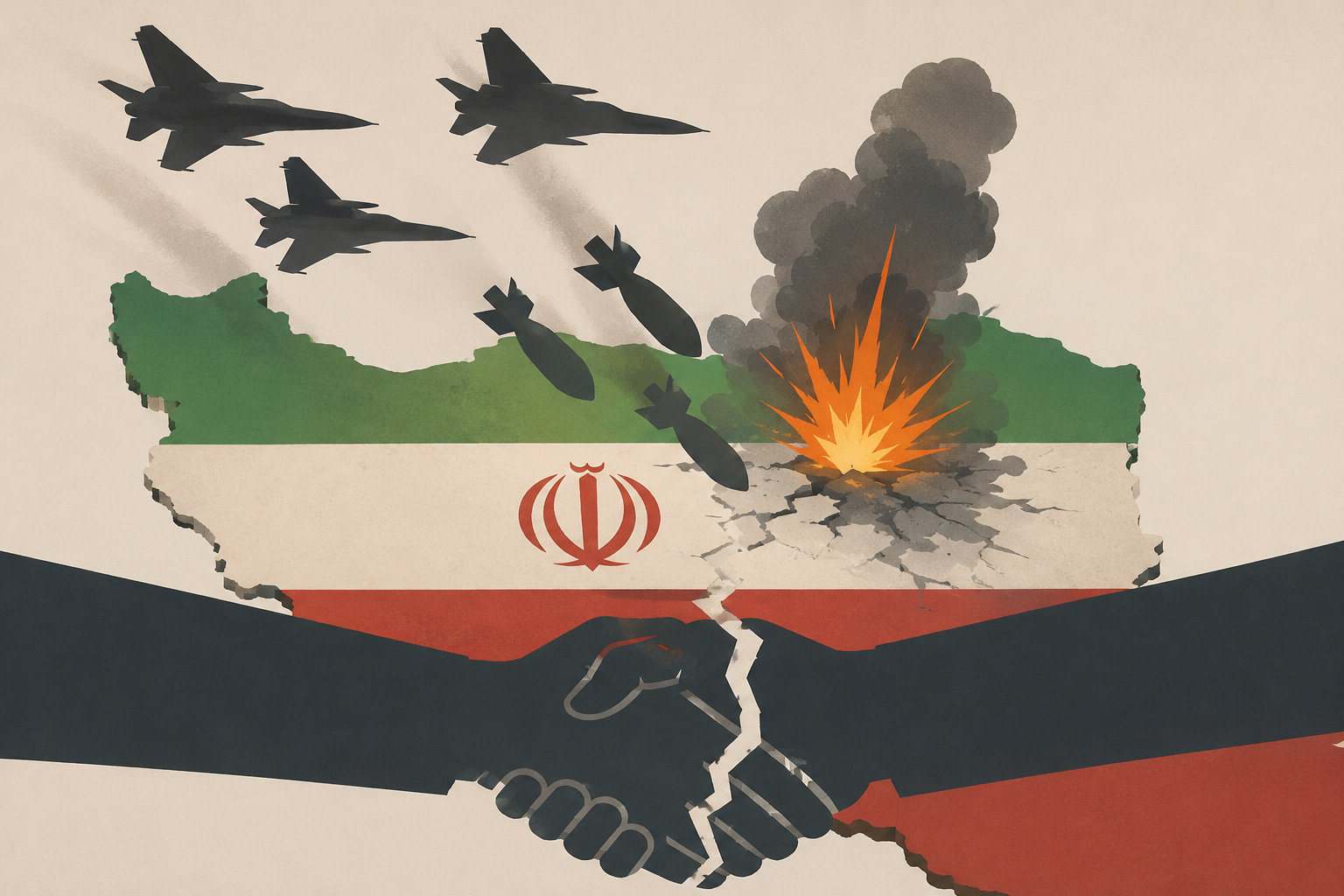
DUBAI, UAE: The latest US military strikes inside Iran have once again pushed West Asia closer to a dangerous geopolitical tipping point. What Washington described as “defensive” operations targeting missile launch sites and alleged minelaying vessels in southern Iran has been fiercely condemned by Tehran as a blatant violation of the fragile ceasefire framework and proof of America’s “bad faith and unreliability.”
The escalation comes at a particularly sensitive moment. Indirect negotiations between Tehran and Washington focused on extending the ceasefire, reopening the Strait of Hormuz, and reviving a broader diplomatic understanding tied to Iran’s nuclear program were already facing enormous pressure. Now, renewed military action risks collapsing the little diplomatic momentum that remained.
Iran’s response has been sharp and calculated. The Foreign Ministry warned that the Islamic Republic “will leave no act of aggression unanswered,” while Supreme Leader Mojtaba Khamenei signaled a more assertive regional posture, declaring that Middle Eastern nations would no longer serve as shields for American military bases. Such rhetoric reflects a broader Iranian strategy aimed at increasing pressure on US allies across the Gulf while preserving leverage in negotiations.
At the center of the crisis remains the Strait of Hormuz, one of the world’s most strategic maritime chokepoints. Before the conflict intensified, nearly one-fifth of global oil and natural gas shipments passed through the narrow waterway. Since the outbreak of hostilities, disruptions in the strait have shaken global energy markets, slowed shipping traffic, and triggered growing concerns over fertilizer shortages and food security worldwide.
The economic consequences are already becoming severe. Iran’s monthslong internet shutdown, partially eased this week reportedly cost the country tens of millions of dollars daily while isolating citizens and crippling online businesses. Simultaneously, Tehran’s intensifying crackdown on dissent, including executions linked to alleged espionage for Israel, signals growing domestic insecurity inside the Islamic Republic.
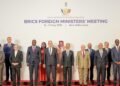
Beyond the Middle East, the crisis is accelerating broader geopolitical realignments. China and Russia continue positioning themselves closer to Tehran diplomatically, while Gulf states remain trapped between security dependence on Washington and fears of regional escalation. The confrontation is also testing the credibility of emerging multipolar structures such as BRICS, where anti-Western sentiment and calls for alternatives to US-led global systems are gaining momentum.
Perhaps the greatest danger lies in the normalization of instability itself. What began as a regional confrontation now increasingly threatens global trade, food security, energy markets, and maritime stability. The explosion reported aboard a tanker in the Gulf of Oman underscores how quickly even isolated incidents can intensify market panic and geopolitical uncertainty.
The world is now confronting a reality where diplomacy and military escalation are unfolding simultaneously. Whether current negotiations can survive renewed confrontation remains uncertain. But one fact is increasingly clear: the Iran crisis is no longer just a regional issue. It has become a defining test for the future global order.
-Andy Wolfe
READ THE FULL E-MAGAZINE | WorldAffairs: For Decision-Makers Who Need More Than Headlines