


WASHINGTON/TEHRAN: Even as tensions surge across the Gulf, a familiar geopolitical pattern is re-emerging: confrontation on the surface, negotiation beneath it. Signals from Washington, Tehran, and regional intermediaries suggest that talks between the United States and Iran may quietly resume in Pakistan within days despite an ongoing U.S. naval blockade of Iranian ports and escalating rhetoric on both sides.
This is not contradiction. It is strategy.
In today’s world, power is no longer exercised solely through military dominance. It is projected through control of maritime chokepoints, energy corridors, and financial pressure points. The unfolding crisis around the Strait of Hormuz illustrates this shift with striking clarity.
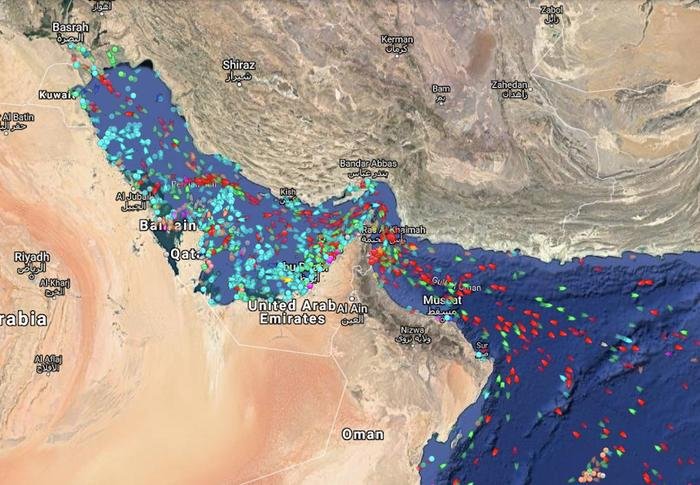
The United States’ decision to impose a naval blockade enforced by multiple warships under United States Central Command is a calibrated move. It seeks to restrict Iran’s economic lifelines, signal escalation without triggering outright war, and strengthen Washington’s leverage at the negotiating table. Yet, the blockade’s immediate impact appears limited. Shipping flows through Hormuz continue, albeit cautiously, reflecting the resilience, but not invulnerability of global energy networks.
At the same time, Iran’s disruption of the strait underscores its own leverage. Nearly a fifth of global oil supply flows through this narrow passage, making any sustained instability here a global economic concern.
Pakistan’s emerging role as a diplomatic venue is no coincidence. Positioned between West Asia, Central Asia, and the Indo-Pacific, it offers neutral ground for high-stakes engagement. Statements attributed to Donald Trump and JD Vancereflect a willingness to pursue what has been described as a “grand bargain,” even as mistrust remains deeply entrenched.
At the core of negotiations lies the enduring challenge of Iran’s nuclear program. Washington has pushed for a long-term suspension of nuclear activity, while Tehran has signaled openness to a shorter freeze alongside sanctions relief. Bridging this divide will require more than technical compromise, it will demand rebuilding trust in an environment defined by strategic suspicion.
Interestingly, even the prospect of renewed talks has calmed oil markets, with prices dipping below the critical $100 mark. Institutions such as the International Monetary Fund and the International Energy Agency warn that prolonged conflict could push the global economy toward recession, disrupt supply chains, and sustain price volatility well beyond the immediate crisis.
The situation is also exposing deeper fractures in the international system. European allies have shown reluctance to join the blockade, opting instead for strategic caution. China, as a major buyer of Iranian oil, has criticized U.S. actions as destabilizing, while regional actors continue to recalibrate their positions amid shifting alliances. Parallel tensions, including Israel’s military operations in Lebanon and the role of Hezbollah, further complicate the broader security landscape.
What is unfolding is not merely a regional conflict, but a transformation in the nature of globalization itself. Energy routes, shipping lanes, sanctions regimes, and supply chains are becoming instruments of power as decisive as military force. The central question is no longer who controls territory, but who controls connectivity.
The likely resumption of U.S.–Iran talks, even amid blockade and brinkmanship underscores a defining reality of modern geopolitics: conflict and diplomacy now operate simultaneously, not sequentially. As corridors replace borders as the new frontlines of power, the outcome of these negotiations will shape not only the future of Iran and U.S. relations, but the broader architecture of influence in an increasingly multipolar world.
-Nia Klamann