


WASHINGTON: For the global economy, few places matter as much as the narrow waters of the Strait of Hormuz. A potential agreement between Iran and Oman to restore normal commercial shipping could therefore become much more than another diplomatic development in a long-running Middle East crisis. It could offer a badly needed pause to an energy shock that has already pushed up oil prices, disrupted trade and added to inflationary pressures around the world.
A U.S. official said Friday that Washington expects Iran and Oman to reach an agreement soon over the strategic waterway. If commercial shipping can resume without restrictions, the United States would lift its blockade of Iranian ports, the official said.
That sounds like a breakthrough. But after months of shifting positions, temporary ceasefires and repeated claims that an agreement was close, the real question is whether this time will be different. Before the U.S. and Israel launched their war against Iran on February 28, roughly one in every five barrels of oil consumed globally passed through Hormuz. Since then, the waterway has become a symbol of how quickly a regional conflict can turn into a global economic problem.
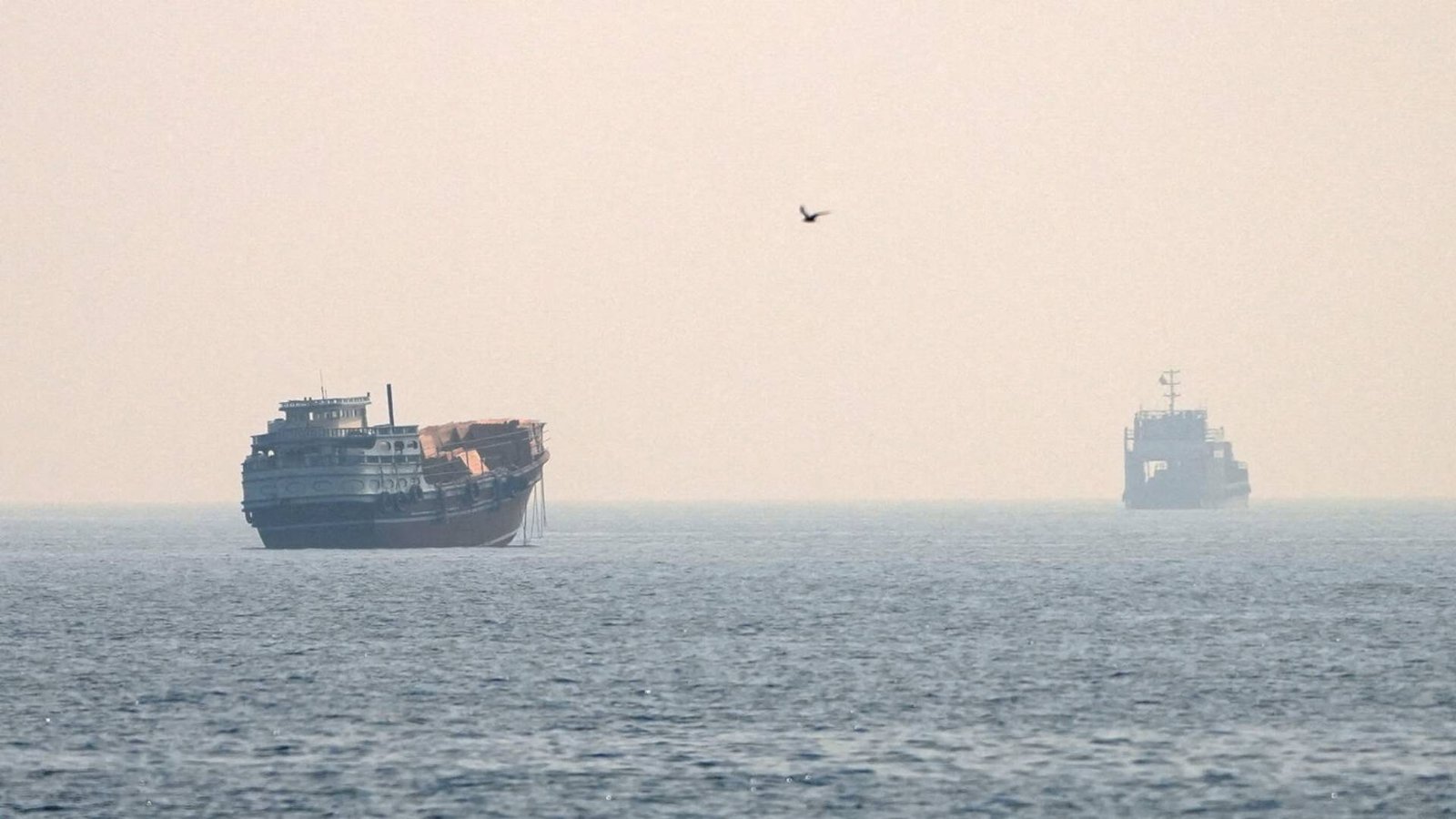
Iran has used the war to justify charging tolls on tankers and firing on ships attempting to cross without permission. The consequences have gone far beyond the immediate region. Higher energy prices have fed inflation, while shipping risks, insurance costs and uncertainty have placed additional pressure on businesses and consumers already dealing with a fragile global economy.
That is why the emerging Iran-Oman channel matters.
Oman has long played the role of a quiet diplomatic bridge in the Middle East. Its proximity to Iran and its relationships with Washington and other Gulf states give it a unique position at a moment when direct U.S.-Iran engagement remains politically difficult. But diplomacy around Hormuz cannot be separated from the wider war.
Iranian attacks on shipping have been accompanied by intensified attacks by its Yemen-based allies, the Houthis, against vessels around the Red Sea and Gulf of Aden. Together, Hormuz and the Red Sea represent two of the world’s most important maritime gateways. Disruption at both ends of the Arabian Peninsula threatens not only oil supplies but also the wider movement of goods between Asia, the Middle East and Europe.
The human cost is also becoming harder to ignore.
Abu Dhabi National Oil Company said Friday that 15 of its vessels had been struck while transiting Hormuz since the conflict began. One crew member was killed and 20 others were wounded. For shipping companies and seafarers, the crisis is no longer an abstract geopolitical dispute. It is a daily calculation of whether a commercial voyage is worth the risk.
The regional security landscape is changing as well.
Saudi Arabia, Pakistan and Turkey signed a joint defense agreement in Mecca on Friday, declaring that an armed attack against any one of them would be treated as an attack against all. Turkey stressed that the agreement was defensive and not directed at a particular country, but its timing is difficult to overlook.
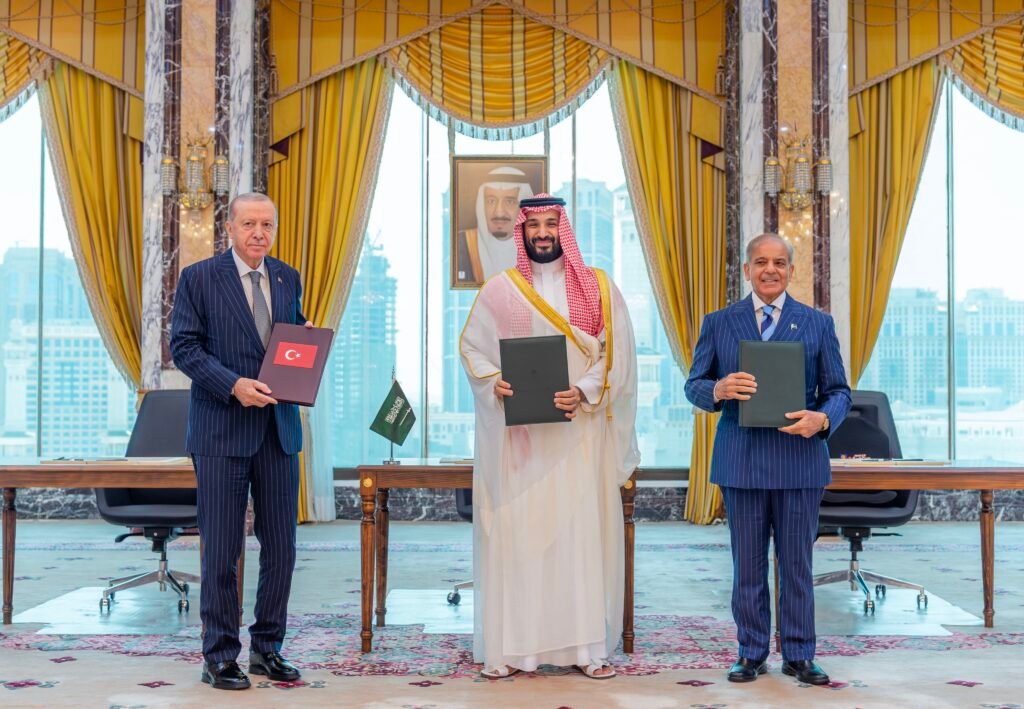
The three countries are responding to a regional environment in which Iranian missile attacks have reached Gulf oil exporters and the possibility of a wider confrontation remains real. Their decision suggests that Middle Eastern and neighbouring powers are increasingly thinking about their own security arrangements rather than relying entirely on the existing U.S.-led framework.
Washington is meanwhile trying to manage another dangerous front between Israel and Hezbollah in southern Lebanon. Lebanon and Israel have reportedly agreed on a shortlist of countries that could provide troops to verify Hezbollah’s disarmament under a U.S.-brokered arrangement.
Taken together, these developments show the enormous challenge facing American diplomacy. The United States is not simply trying to end one conflict. It is attempting to prevent several interconnected crises from Iran and Hormuz to Lebanon and the Red Sea from becoming one larger regional war.
Inside Iran, diplomacy is facing its own political test.
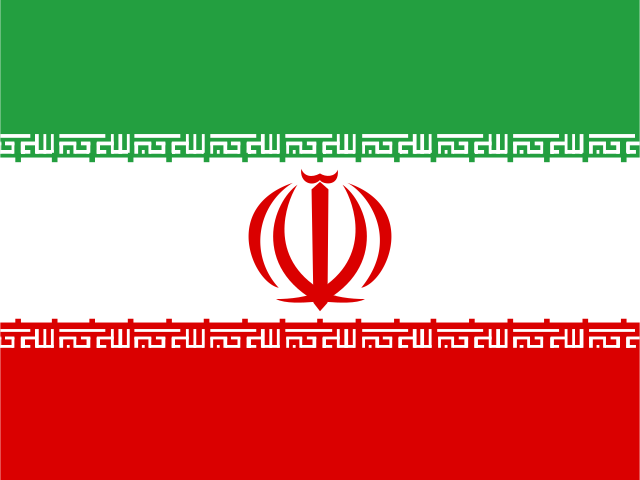
Iranian President Masoud Pezeshkian has defended negotiations with Washington despite opposition from hardliners. He said most senior military commanders support talks aimed at ending the fighting.
His message was unusually direct: if Iran can secure its rights through dialogue, why continue fighting?
Pezeshkian also pointed to China, arguing that Beijing has chosen to strengthen itself economically rather than confront the United States militarily.
That argument goes to the heart of Iran’s strategic dilemma. Military pressure can demonstrate strength, but it can also isolate the economy and place enormous pressure on ordinary people. Diplomacy, by contrast, offers the possibility of sanctions relief, restored trade and greater economic stability, but only if Tehran believes Washington will honour its commitments.
Washington faces an equally difficult calculation. The U.S. administration wants Iran to comply with its commitments and has made clear that any easing of pressure will depend on Iranian actions. But prolonged disruption of Hormuz carries a cost for the entire global economy, including America’s allies and partners.
The Strait of Hormuz is therefore no longer simply an Iranian or Gulf issue. It is a global economic vulnerability.
If Iran and Oman can reach an arrangement that genuinely restores safe and predictable commercial shipping, the immediate benefits could be significant. Oil markets could stabilize, shipping risks could decline and some of the inflationary pressure generated by the conflict could begin to ease.
But reopening the strait will not automatically end the crisis. The agreement will have to survive domestic political opposition in Iran and the United States, regional security concerns and the unresolved conflicts stretching from Lebanon to Yemen.
The opportunity, however, is real. For the first time in months, diplomacy appears to be creating a possible pathway between military confrontation and economic normalization. Whether that pathway becomes a durable peace process or another temporary pause will depend on what Tehran, Washington and their regional partners do next. The world does not need another promise that Hormuz will reopen. It needs a deal that keeps it open.
-Steve Trotta