



PARIS/MADRID: As Europe endures one of its most intense heatwaves in recent memory, the mounting death toll is becoming a stark reminder that extreme weather is no longer an occasional emergency, it is a recurring reality.
French Prime Minister Sébastien Lecornu revealed that at least 40 people have drowned since June 18 while attempting to escape soaring temperatures by swimming in rivers, canals, and other unauthorized water bodies. Most victims were reportedly young people seeking relief from the relentless heat that has engulfed much of the continent.

The tragedy comes as France records its hottest June temperatures on record. Meteorological authorities registered a peak of 44.3°C in southwestern France, while more than half of the country’s departments remain under the highest level of heat alert. Authorities have warned that the current conditions are unprecedented in both scale and intensity.
Yet France is not alone.
From Spain and Italy to Switzerland and the United Kingdom, Europe is experiencing a widespread climate emergency. Temperatures have disrupted transportation networks, forced schools to close early, prompted restrictions on outdoor work, and led to the temporary closure of iconic tourist attractions, including Paris’s Eiffel Tower.
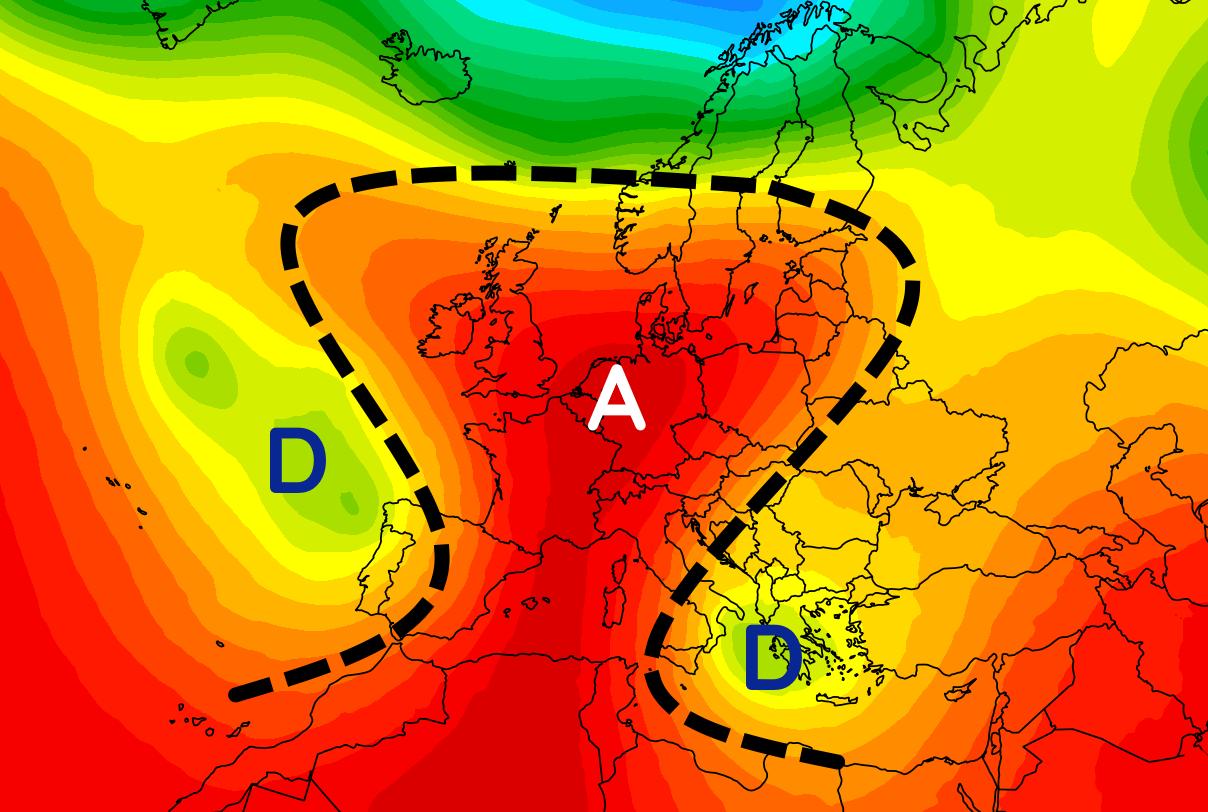
The heatwave is being driven by an atmospheric phenomenon known as an “Omega Block”, a high-pressure system that traps hot air over large regions for extended periods. Scientists have increasingly linked such prolonged and intense weather patterns to climate change, which continues to amplify both heatwaves and severe storms across the globe.
Europe is warming at more than twice the global average rate, making the continent particularly vulnerable to climate-related disasters. The current conditions have drawn comparisons with the catastrophic 2003 European heatwave, which contributed to an estimated 80,000 excess deaths across the region.
Beyond the immediate health risks, the consequences are spreading across economies and societies. Agricultural sectors face potential losses as grain harvests suffer under prolonged heat stress. Cities are struggling to protect vulnerable populations, with Madrid opening climate shelters for the homeless and at-risk residents. Switzerland has introduced water-use restrictions in several regions, while Belgian schools have been forced to relocate examinations to cooler buildings.
Perhaps the most revealing aspect of this crisis is how ordinary citizens are attempting to adapt. Air conditioners and electric fans are selling out within hours in major cities. Tourists are abandoning traditional Mediterranean destinations in favor of cooler northern European countries. Consumers, businesses, and governments alike are scrambling to respond to conditions that are increasingly becoming the norm rather than the exception.
The deaths in France underscore a broader lesson: climate change is no longer a future threat measured in scientific projections. It is a present-day public safety challenge affecting daily life, public infrastructure, economic productivity, and human survival.
As Europe confronts another week of extreme temperatures, the central question is no longer whether climate adaptation is necessary. The question is whether governments can move quickly enough to protect their populations from a future that has already begun.
-lIze Melander and Eliah Darwish
READ THE FULL E-MAGAZINE | WorldAffairs: Understand the World Before It Shapes You