


CAIRO: The United States and Iran appear to be edging closer to a breakthrough agreement over the Strait of Hormuz, raising cautious optimism that one of the world’s most critical maritime chokepoints could soon reopen after months of conflict that have disrupted global energy supplies, rattled financial markets and heightened geopolitical tensions across the Middle East. Iran announced on Wednesday that negotiations with Oman have entered the “final stage” of drafting an agreement over the future of the Strait of Hormuz, while U.S. President Donald Trump said a deal could be announced within days. If finalised, the agreement could restore commercial shipping through the strategic waterway, ease pressure on global oil markets and potentially revive broader diplomatic engagement between Washington and Tehran, including negotiations over Iran’s nuclear programme.

Despite growing optimism, fundamental differences remain unresolved. Iran continues to insist that the Strait of Hormuz should no longer function as an unrestricted international waterway, arguing that its national security interests require a greater supervisory role over maritime traffic. The Trump administration, however, has repeatedly rejected any arrangement that would formalise Iranian control or permit Tehran to impose transit or security fees on international shipping, warning that such a framework would undermine the principle of freedom of navigation and set a dangerous international precedent.
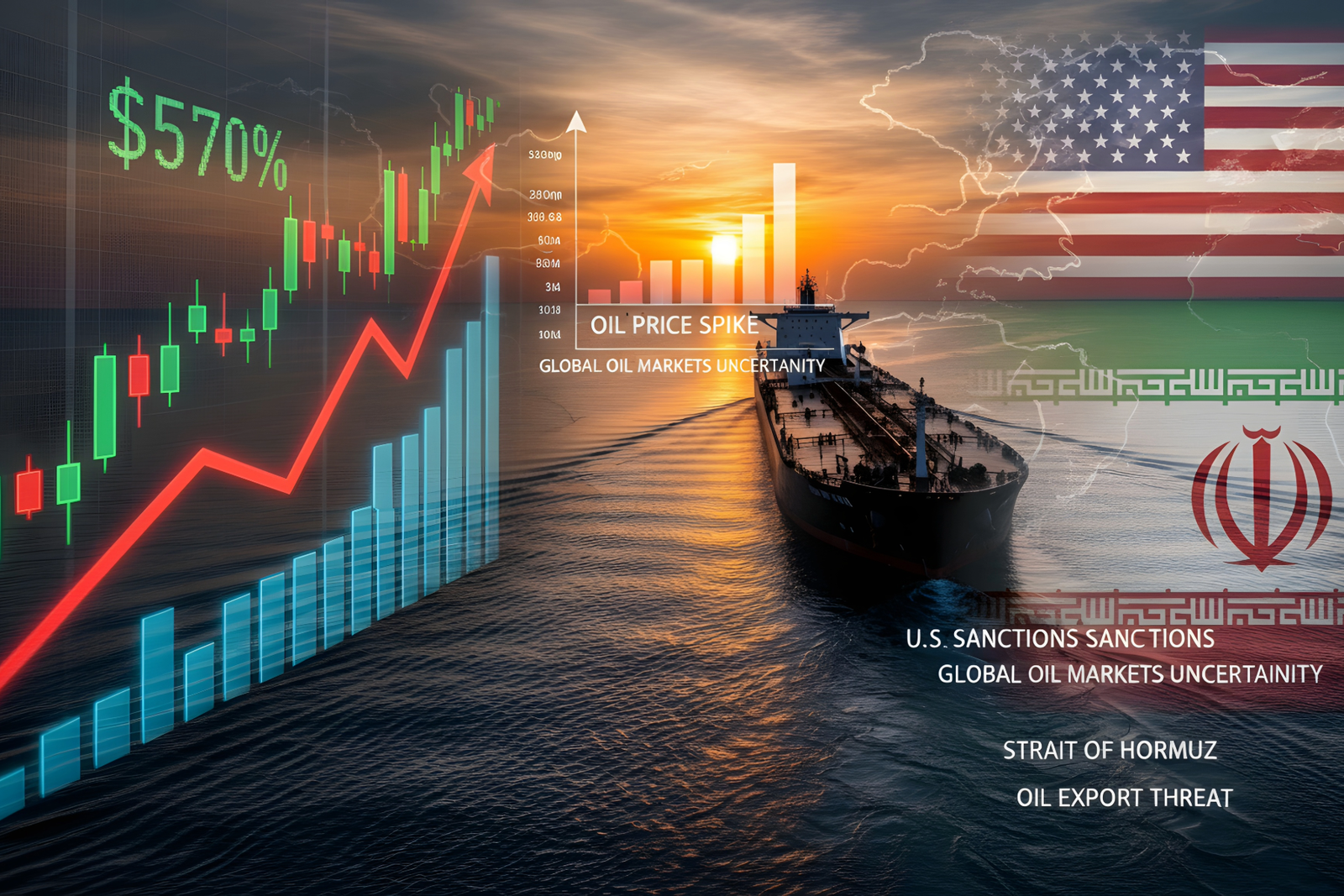
The stakes extend far beyond the Gulf. Before the conflict, nearly one-fifth of the world’s traded crude oil and liquefied natural gas passed through the Strait of Hormuz, making it the most strategically significant energy corridor on the planet. Since the outbreak of the Iran-U.S.-Israel conflict in late February, attacks on commercial vessels and Iranian restrictions on maritime traffic have severely disrupted shipping, increased insurance costs, driven up transportation expenses and fuelled volatility in global energy markets.
Although Brent crude has eased from its wartime highs and hovered around $80 per barrel on Wednesday, markets remain highly sensitive to every diplomatic and military development in the region. A successful agreement could restore confidence in international shipping and reduce pressure on inflation, while any collapse in negotiations risks another surge in oil prices and renewed disruption to global supply chains.
Regional officials familiar with the negotiations told The Associated Press that Iranian and Omani negotiators have completed a draft agreement and are awaiting final approval from Iran’s Supreme Leader Ayatollah Mojtaba Khamenei, who has remained out of public view since reportedly being injured during the opening phase of the conflict. According to the officials, the proposed arrangement is intended as an interim framework to reopen the Strait while creating conditions for renewed U.S.-Iran nuclear negotiations.
The reported proposal would establish separate maritime transit corridors, allowing vessels entering the Persian Gulf to use an Iranian-managed route while outbound traffic would pass through a corridor overseen by Oman. The arrangement reportedly includes service fees for maritime security and environmental protection, a provision Washington has consistently opposed.
President Donald Trump signalled that negotiations have made substantial progress, telling reporters that an agreement could come “tomorrow or the next day.” Vice President JD Vance acknowledged the complexity of the diplomatic process, describing negotiations with Iran as “messy” and cautioning that efforts to end the conflict would inevitably require patience and compromise. He remarked that negotiations sometimes require “moving backward before moving forward,” reflecting Washington’s increasingly cautious expectations.
While diplomacy gathers momentum, security conditions across the wider Middle East remain fragile. Iran-backed Houthi rebels in Yemen claimed responsibility for ballistic missile attacks targeting Saudi-linked oil tankers in the Red Sea near the port of Yanbu, although no independent evidence has yet verified the claims. Separately, the United Kingdom Maritime Trade Operations reported that a commercial vessel sailing through the Gulf of Aden experienced an explosion in close proximity, though its crew remained unharmed.
The Houthis have also declared restrictions on Saudi-linked shipping through the Bab el-Mandeb Strait, another vital maritime gateway linking the Red Sea with the Gulf of Aden. The development places additional pressure on global shipping routes that had already become increasingly dependent on the Red Sea following disruptions in the Strait of Hormuz.
Meanwhile, tensions between Israel and Hezbollah have intensified once again. Israel issued fresh evacuation warnings to residents in southern Lebanon before launching what it described as “precise strikes” against Hezbollah positions, citing violations of the ceasefire that had largely held since June. Diplomatic negotiations in Rome between Israeli and Lebanese officials on implementing ceasefire arrangements and troop withdrawals were temporarily interrupted by developments on the ground, although U.S. officials described the discussions as productive and indicated they could resume shortly.
For governments, investors and energy markets alike, the outcome of the Strait of Hormuz negotiations now represents one of the most consequential geopolitical developments of the year. A successful agreement could restore one of the world’s most important maritime trade routes, stabilise global energy supplies and reopen diplomatic channels between Washington and Tehran after months of military confrontation. Failure, however, would prolong uncertainty across global shipping networks, sustain upward pressure on energy prices and deepen instability across a region that remains central to the global economy.
The coming days could therefore determine not only the future of the Strait of Hormuz, but also the direction of Middle East diplomacy, international energy security and the broader balance of geopolitical power.
-ELENA SUPERVILLE
READ THE FULL E-MAGAZINE | WorldAffairs: For Decision-Makers Who Need More Than Headlines