

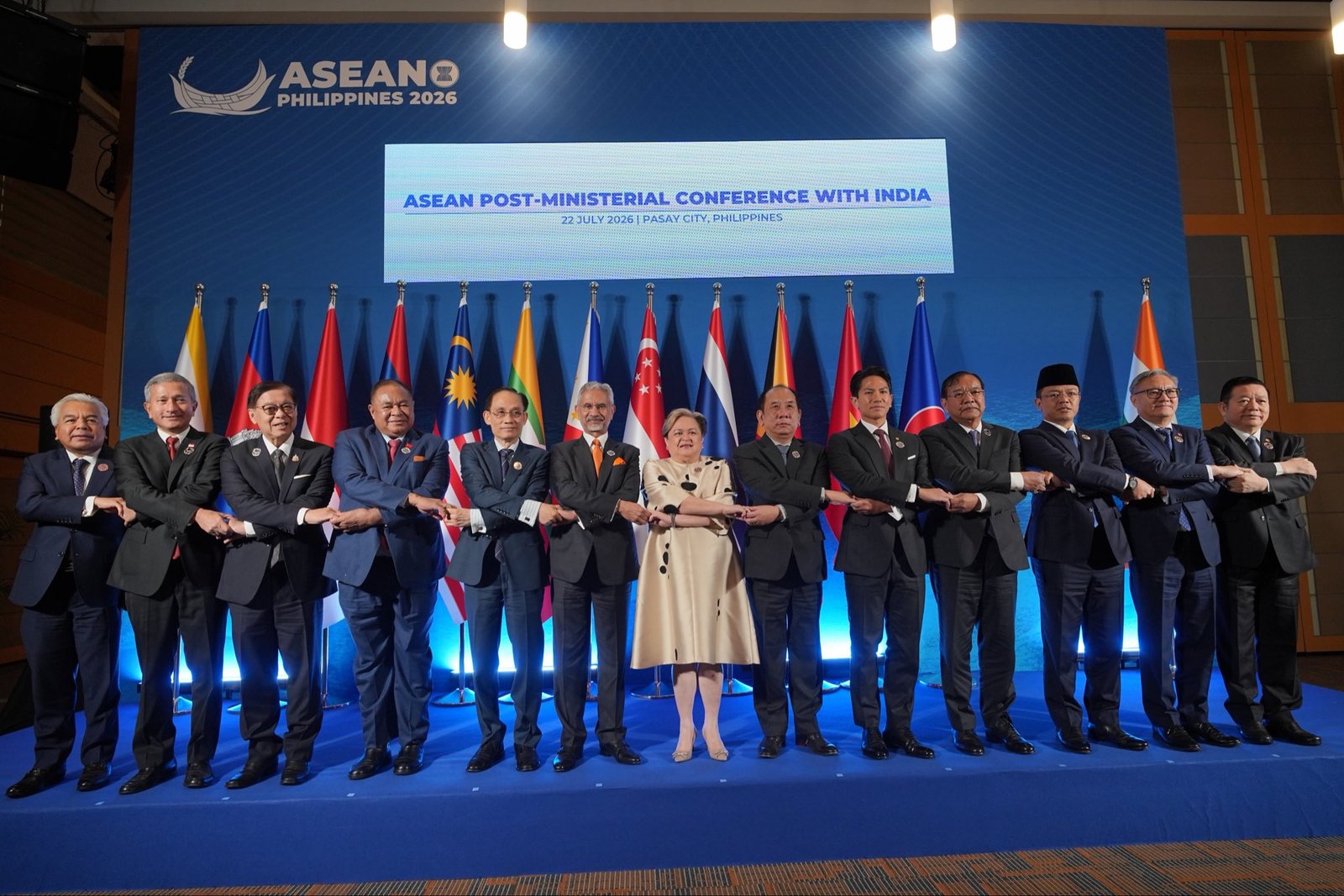
MANILA: As the Indo-Pacific navigates an increasingly uncertain geopolitical landscape, Manila has become the focal point of Asian diplomacy, hosting a series of high-level meetings that illustrate the competing and overlapping strategic interests shaping the region. For India, External Affairs Minister S. Jaishankar’s visit to the Philippines on July 22–23 is more than participation in ASEAN-led forums it is a demonstration of New Delhi’s multi-aligned foreign policy.
On the sidelines of the ASEAN-India Foreign Ministers’ Meeting, the East Asia Summit (EAS), the ASEAN Regional Forum (ARF) and the 12th Quad Foreign Ministers’ Meeting on July 23, Jaishankar held separate bilateral meetings with US Secretary of State Marco Rubio and Chinese Foreign Minister Wang Yi, reflecting India’s effort to deepen strategic partnerships while maintaining dialogue with Beijing. The Quad meeting follows the 11th Quad Foreign Ministers’ Meeting in New Delhi on May 26, 2026, where India, the United States, Japan and Australia launched the Indo-Pacific Maritime Surveillance Collaboration (IPMSC), advanced the Quad Critical Minerals Initiative, and agreed to strengthen cooperation on regional energy security. The Manila meeting is expected to review progress on these initiatives amid growing concerns over maritime security, resilient supply chains, emerging technologies and strategic competition in the Indo-Pacific.
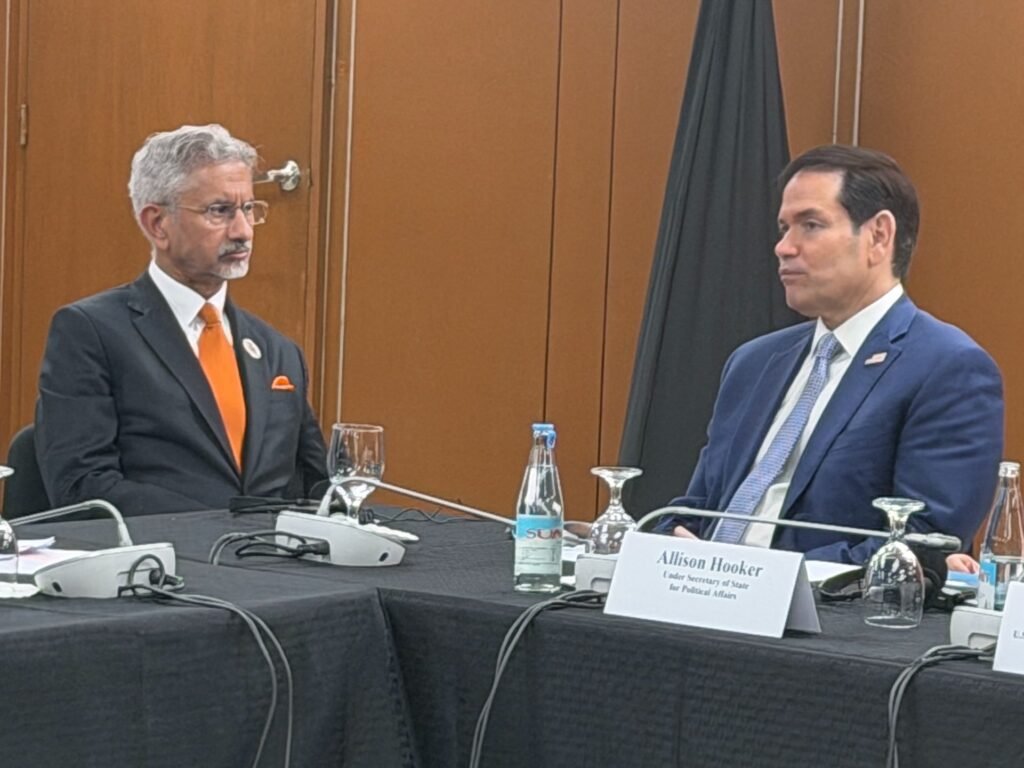
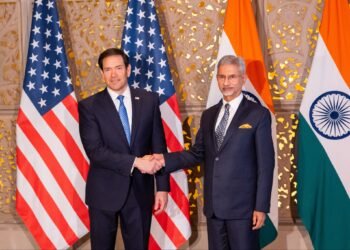
Before the Quad discussions, Jaishankar met US Secretary of State Marco Rubio, describing the interaction as productive and focused on strengthening the India-US Comprehensive Global Strategic Partnership. According to Jaishankar, the two leaders discussed priority areas including trade and tariffs, energy cooperation, defence and security, critical minerals, and artificial intelligence. They also exchanged views on regional, global and multilateral developments, reaffirming the breadth of the strategic partnership at a time when both countries are expanding cooperation across defence, technology and economic security.
The meeting comes as India and the United States continue to deepen collaboration in the Indo-Pacific despite occasional differences on trade and regional policy. Washington continues to view India as a key strategic partner in promoting a free and open Indo-Pacific, while New Delhi remains committed to preserving its strategic autonomy through diversified partnerships.
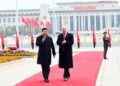
Equally significant was Jaishankar’s meeting with Chinese Foreign Minister Wang Yi, where both sides reviewed the gradual normalisation of bilateral relations following the leaders’ meetings in Kazan in October 2024 and Tianjin in August 2025. Jaishankar observed that India-China ties have been “gradually normalising” and reiterated that peace and tranquillity along the Line of Actual Control (LAC) remain the essential foundation for stable bilateral relations. He emphasised that a relationship based on mutual respect, mutual interest and mutual sensitivity would contribute to both a multipolar Asia and a multipolar world.
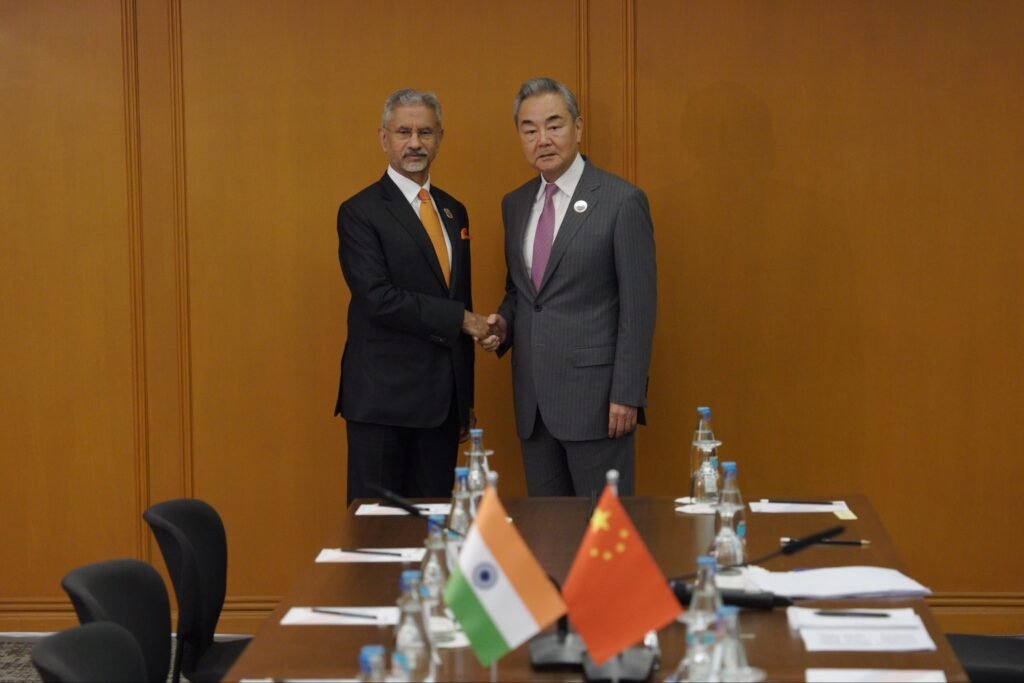
The Indian minister also welcomed recent confidence-building measures, including the resumption of direct flights, updated visa arrangements, the restart of the Kailash Manasarovar Yatra, and the reopening of border trade. At the same time, he highlighted India’s continuing concerns over market access, trade imbalance, supply-chain predictability and greater people-to-people exchanges, indicating that economic issues remain central to the next phase of the relationship.
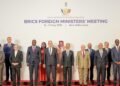
The diplomatic choreography in Manila highlights India’s evolving external strategy. Rather than choosing between competing power centres, New Delhi is pursuing parallel engagement strengthening the Quad, expanding the India-US strategic partnership, engaging ASEAN, leading BRICS during its 2026 Chairship, and maintaining structured dialogue with China.
This approach reflects India’s long-standing doctrine of strategic autonomy, enabling it to cooperate with multiple partners without becoming formally aligned against any single country. The Philippines, serving as ASEAN Chair for 2026 under the theme “Navigating Our Future, Together,” has provided the ideal diplomatic platform for this balancing act. With tensions persisting in the South China Sea, uncertainty surrounding the Taiwan Strait, and continued competition over critical technologies and supply chains, ASEAN has become an increasingly important venue for managing regional diplomacy. For the Quad, the challenge now lies in translating initiatives announced in New Delhi on May 26 into measurable outcomes. For India and China, the task remains sustaining diplomatic momentum while ensuring border stability.
For India and the United States, the focus is broadening an already comprehensive strategic partnership into emerging sectors such as artificial intelligence, critical minerals and advanced technologies. Manila therefore represents more than a gathering of foreign ministers. It offers a snapshot of India’s foreign policy in action engaging Washington, managing Beijing, strengthening the Quad and reinforcing ASEAN centrality, all within a single diplomatic calendar. In an Indo-Pacific defined less by fixed alliances than by overlapping strategic interests, India’s ability to engage across multiple platforms may prove to be one of its most significant geopolitical advantages.
-David Hudson