


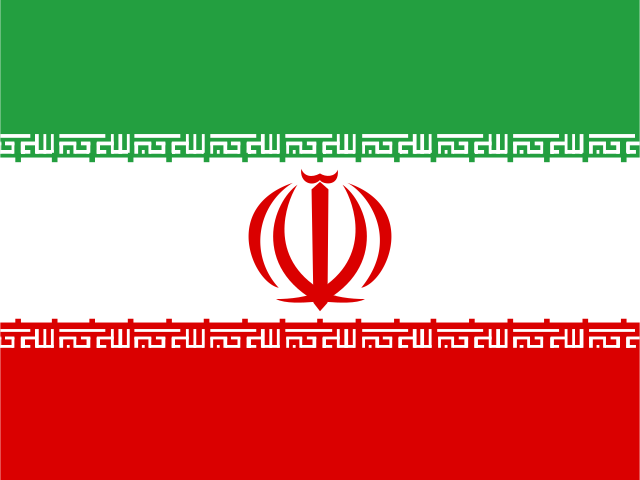
DUBAI: Iran has launched missile and drone attacks targeting locations linked to United States forces in Bahrain and Jordan, marking a significant escalation in regional tensions following recent U.S. airstrikes on Iranian positions.

According to official Iranian state media, the Islamic Revolutionary Guard Corps (IRGC) carried out coordinated operations, including drone strikes aimed at the U.S. Fifth Fleet in Bahrain and missile launches toward a military airbase in Jordan hosting American personnel.
Authorities in Bahrain and Kuwait activated air defense systems after detecting incoming threats. Both countries reported successful interception efforts, preventing major damage. In Jordan, military officials confirmed that at least five missiles were intercepted and destroyed before reaching their intended target. No casualties have been officially reported so far.
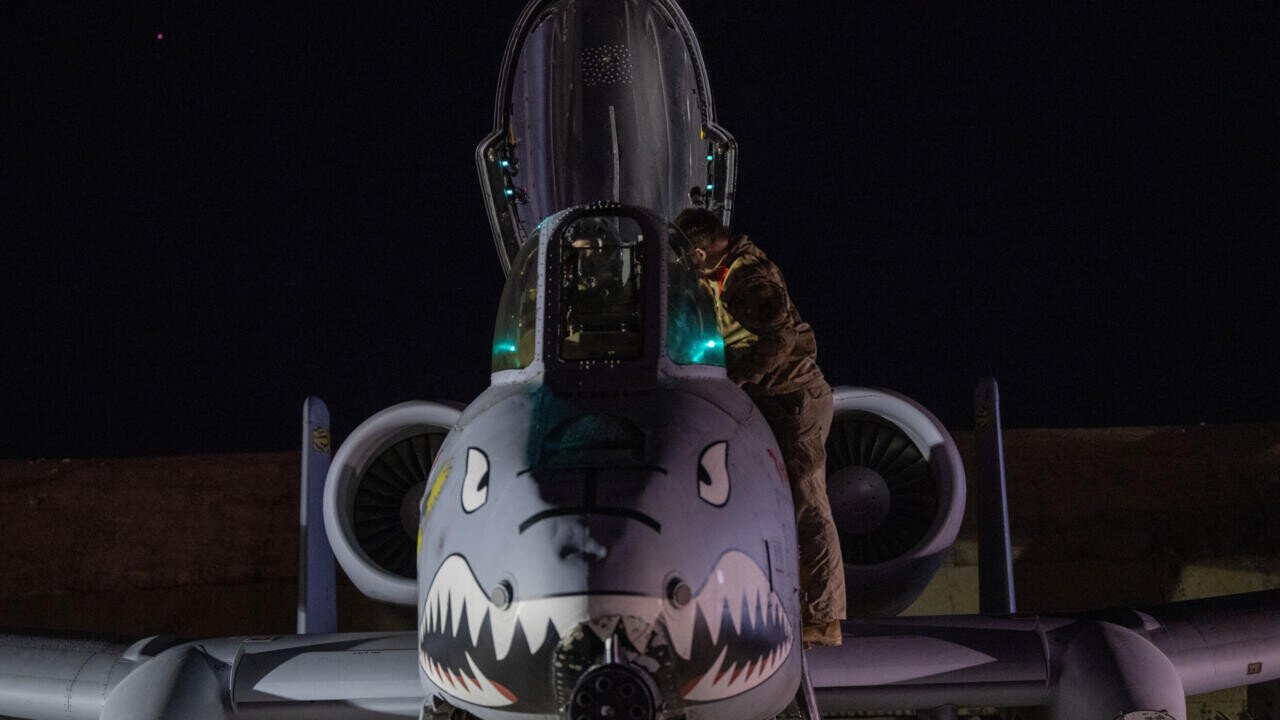
The Iranian response follows U.S. military action earlier in the week. The United States Central Command (CENTCOM) stated it conducted what it described as “self-defense strikes” against Iranian targets, citing the alleged downing of a U.S. attack helicopter over the Strait of Hormuz as justification.
Iran’s Foreign Minister Abbas Araghchi warned that Tehran would respond decisively to any aggression, stating that Iran’s armed forces would not leave “any attack or threat unanswered.” He also cautioned U.S. forces to withdraw from the region to avoid further confrontation.
The latest developments come at a critical moment, as diplomatic efforts to reduce tensions and negotiate an end to the ongoing conflict face growing uncertainty. Analysts warn that the cycle of retaliation between Iran and the United States risks expanding into a broader regional conflict.
Separately, tensions remain high in the Levant. Israeli military operations in southern Lebanon have reportedly resulted in nearly 20 fatalities, with thousands of civilians displaced following evacuation warnings ahead of potential further action. The situation raises concerns about the opening of multiple conflict fronts involving Iran-aligned groups.
Security experts highlight that the widening geographic scope from the Persian Gulf to the eastern Mediterranean indicates a shift toward a more prolonged and complex regional crisis. The risk of miscalculation remains high as multiple actors continue to engage militarily.
Global markets and international observers are closely monitoring the situation, particularly due to the strategic importance of the Gulf region for global energy supplies and trade routes.
-Aurora Aquino