

BUNIA, Congo: The latest Ebola outbreak in eastern Democratic Republic of Congo is evolving into one of the fastest-moving public health crises in recent years testing not only medical response systems but also the fragile dynamics of trust, security, and global coordination.
During a high-level visit to Bunia, the epicenter of the outbreak, World Health Organization Director-General Tedros Adhanom Ghebreyesus acknowledged a troubling reality: despite better-prepared facilities, increased medical supplies, and the arrival of international aid, the virus is spreading faster than containment efforts.
With over 900 suspected cases and more than 200 deaths already recorded, and confirmed cross-border infections in Uganda, the outbreak risks escalating into a wider regional emergency.
This marks Congo’s 17th Ebola outbreak, an experience that should, in theory, strengthen response capabilities. The country has successfully contained all previous outbreaks. Yet this time, the scale and speed of transmission, combined with conflict and community resistance, are creating a far more complex challenge.
At the heart of the crisis lies a critical but often underestimated factor: community trust.
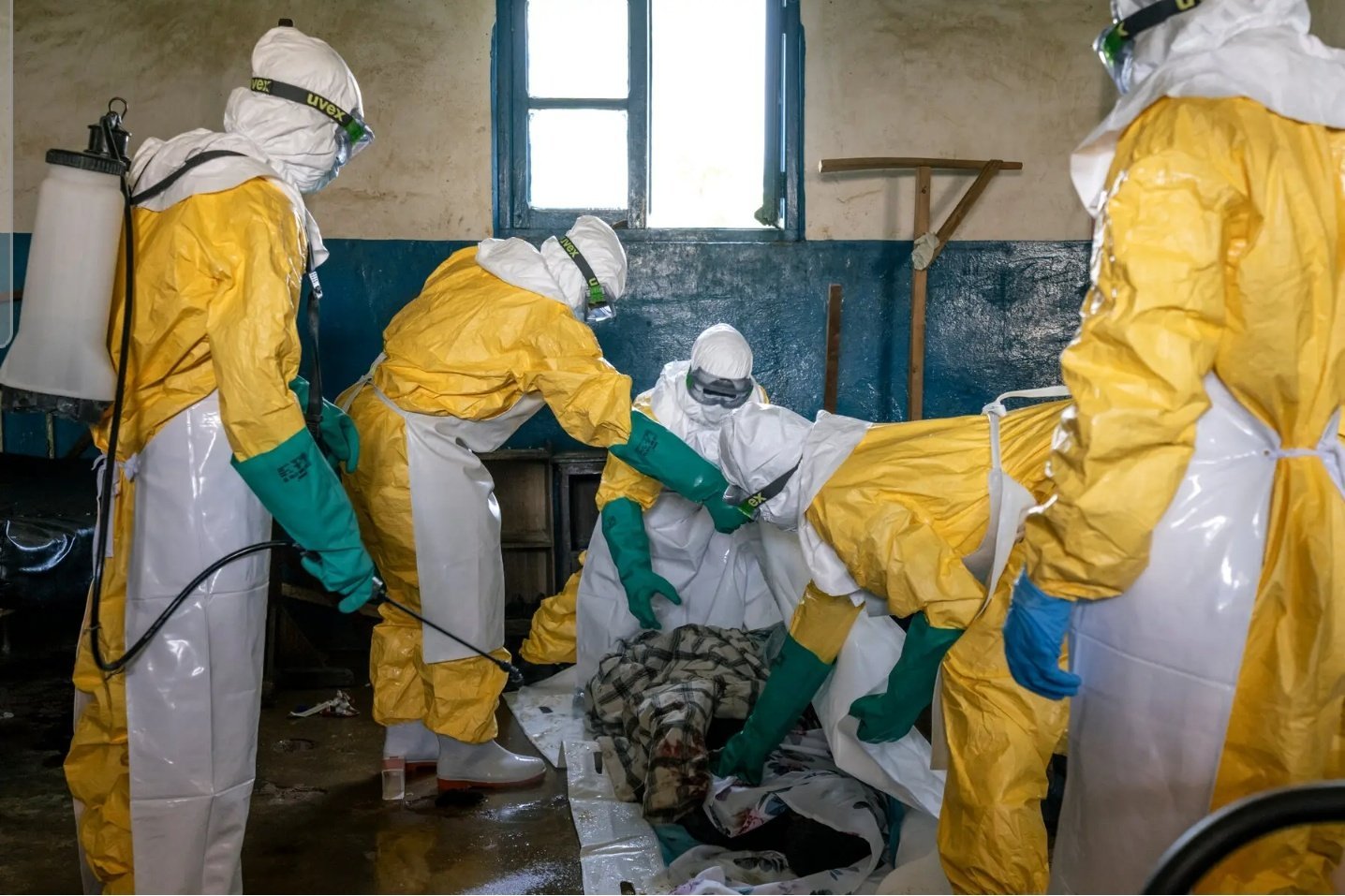
Strict medical protocols, particularly those governing the safe handling of bodies, have clashed with deeply rooted cultural and religious burial practices. For many families, these restrictions are not merely procedural, they are profoundly personal. The result has been rising tensions, with multiple attacks on healthcare centers highlighting growing frustration among local communities.
Tedros emphasized a crucial shift in strategy: listening must precede enforcement. Building trust, he noted, is essential to slowing transmission. Without community cooperation, even the most advanced medical interventions risk failure.
The situation is further complicated by insecurity in the region. Armed groups, including factions linked to the Allied Democratic Forces, continue to operate in Ituri province, while conflict zones in North and South Kivu limit access to affected populations. These conditions severely disrupt testing, treatment, and supply chains weakening the overall response.
Equally concerning is the global reaction. Border closures by neighboring countries and travel restrictions imposed by international actors risk undermining transparency and delaying coordinated action. According to WorldAffairs analysis, such measures may discourage timely reporting and inadvertently accelerate the spread of the virus.
The current outbreak raises urgent global questions. Are existing international health mechanisms equipped to handle rapidly escalating epidemics? Can governments balance domestic protection with global cooperation? And most importantly, can trust be built quickly enough to outpace a deadly pathogen?
Ebola has long been a symbol of high-risk infectious disease. But today, the battlefield has expanded beyond laboratories and treatment centers. It now includes communities shaped by fear, regions destabilized by conflict, and a global system still grappling with lessons from past pandemics.
As this crisis unfolds, one conclusion is clear: the future of global health security will depend not only on science and speed, but on trust, transparency, and collaboration.
-James Banchereau