


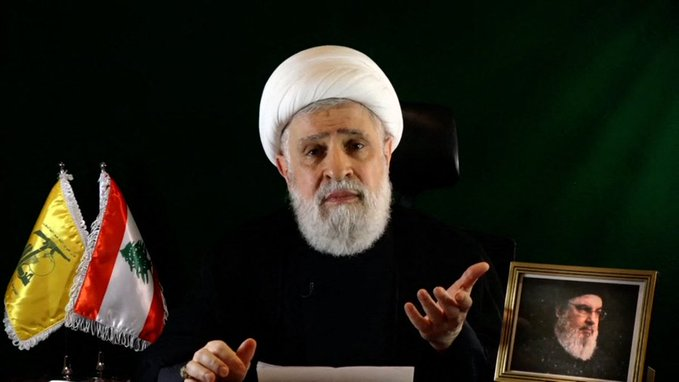
BEIRUT – A senior figure within Hezbollah has made it clear that the group does not consider itself bound by any outcomes emerging from upcoming Lebanon–Israel negotiations in Washington, underscoring a deep internal divide within Lebanon over the talks.
Speaking to WorldAffairs, Wafiq Safa dismissed the relevance of the discussions altogether, stating that Hezbollah neither recognizes nor intends to comply with any agreements reached. His remarks come just before what would be a rare direct engagement between Lebanese and Israeli representatives, two states that have no formal diplomatic relations and have been in intermittent conflict for decades.
The timing of the talks is particularly sensitive. Lebanese authorities are seeking a ceasefire to halt the ongoing war between Israel and Hezbollah, while Israeli leadership, including Prime Minister Benjamin Netanyahu, has framed the negotiations in more ambitious terms pushing for Hezbollah’s disarmament and potentially a broader peace arrangement. However, Israeli officials have simultaneously ruled out an immediate ceasefire with the group, reflecting conflicting priorities on both sides.
The broader regional context complicates matters further. Parallel discussions involving the United States and Iran have attempted to reshape the conflict landscape, with Tehran reportedly pushing to include Lebanon in any wider de-escalation framework. Both Washington and Israel have resisted this linkage, aiming to keep Lebanon’s situation separate.
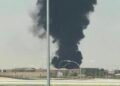
Recent developments on the ground highlight the fragility of the situation. Shortly after a temporary U.S.–Iran truce was announced, Israel launched a wave of strikes across Lebanon, including densely populated areas of Beirut. Although attacks on the capital have since subsided, clashes in southern Lebanon remain intense. Hezbollah claims that diplomatic pressure via Iran contributed to halting strikes in Beirut, suggesting that indirect channels may be more influential than formal negotiations.
Hezbollah’s involvement in the current conflict traces back to early March, when it entered the war following U.S. and Israeli military action against Iran. The group has framed its intervention as preemptive, arguing that Israel was preparing a broader campaign against Lebanon. Critics Lebanon, however, accuse Hezbollah of acting in alignment with Iranian interests and dragging the country into a devastating conflict that has displaced over a million people and caused significant civilian casualties.
Disputes over casualty figures and targeting further illustrate the information war surrounding the conflict. Israel has claimed large-scale militant losses, while Hezbollah insists that many of those killed, particularly in Beirut, were civilians. These competing narratives deepen mistrust and make diplomatic progress more difficult.
Internally, Hezbollah’s stance is also straining its relationship with the Lebanese state. The government has taken steps to assert control over all armed groups, even declaring Hezbollah’s military wing illegal after the escalation in March. Communication between Hezbollah and top state officials has reportedly broken down, now routed indirectly through allies such as Parliament Speaker Nabih Berri.
Despite its hardline rejection of the U.S.-hosted talks, Hezbollah has signaled some conditional flexibility. Safa indicated that if Israeli forces withdraw and a ceasefire is achieved, the group would be open to internal Lebanese discussions its weapons. Still, he emphasized that this issue remains strictly domestic, rejecting any influence.
Overall, Hezbollah’s statement highlights a fundamental challenge: even if Lebanon’s official representatives reach an agreement with Israel, its may be severely limited without the buy-in of one of the country’s most powerful non-state actors.
-Emily Nakhoul