

DOHA: Indirect negotiations between the United States and Iran concluded in Doha on Wednesday, with discussions centring on maritime security in the Strait of Hormuz and the release of frozen Iranian assets, while broader political differences remained unresolved.
According to diplomatic sources familiar with the negotiations, the two-day discussions focused on implementing the interim agreement reached earlier this month, particularly measures aimed at restoring commercial shipping through the Strait of Hormuz and advancing confidence-building steps between both sides.
Qatar’s Ministry of Foreign Affairs described the meetings as making “positive progress” in implementing the memorandum that brought an end to hostilities in June, adding that another round of talks is expected following the funeral of Iran’s late Supreme Leader, Ayatollah Ali Khamenei, scheduled for July 9.
Speaking in Washington, US President Donald Trump said discussions on Iran’s nuclear programme were progressing positively. However, officials familiar with the Doha negotiations indicated that the latest round remained largely technical, with nuclear issues expected to be addressed in subsequent meetings.
The discussions were facilitated by Qatar and Pakistan, with American and Iranian delegations holding separate consultations through mediators.
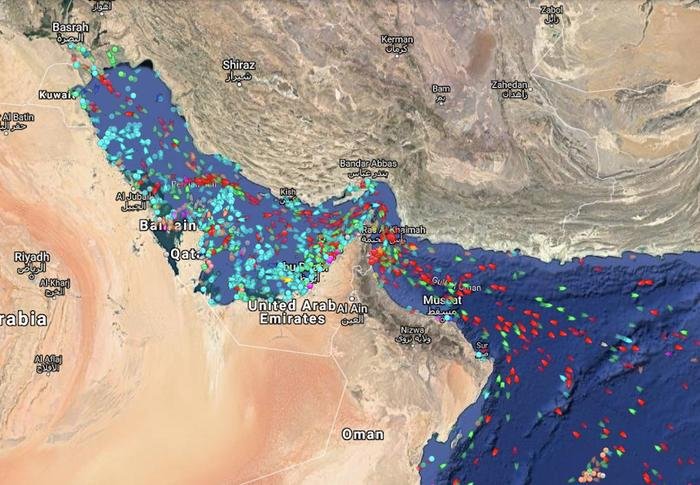
At the centre of the negotiations remains the Strait of Hormuz, through which nearly one-fifth of global oil and liquefied natural gas trade passes. While commercial shipping has gradually resumed following the ceasefire, security conditions remain fragile after recent military exchanges and attacks on commercial vessels.
Iran has reiterated its intention to strengthen its authority over navigation through the strategic waterway, including proposals to introduce shipping tolls after the temporary grace period concludes in mid-August. Meanwhile, global oil markets responded positively to signs of continued diplomacy, with crude prices easing amid expectations that the immediate risk of regional escalation had diminished.
The next round of negotiations will be closely watched by global markets and policymakers alike, as both countries seek to translate technical understandings into broader diplomatic progress while preserving stability across one of the world’s most strategically significant maritime corridors.
-Ahmed Saleh and Jacob Mills