


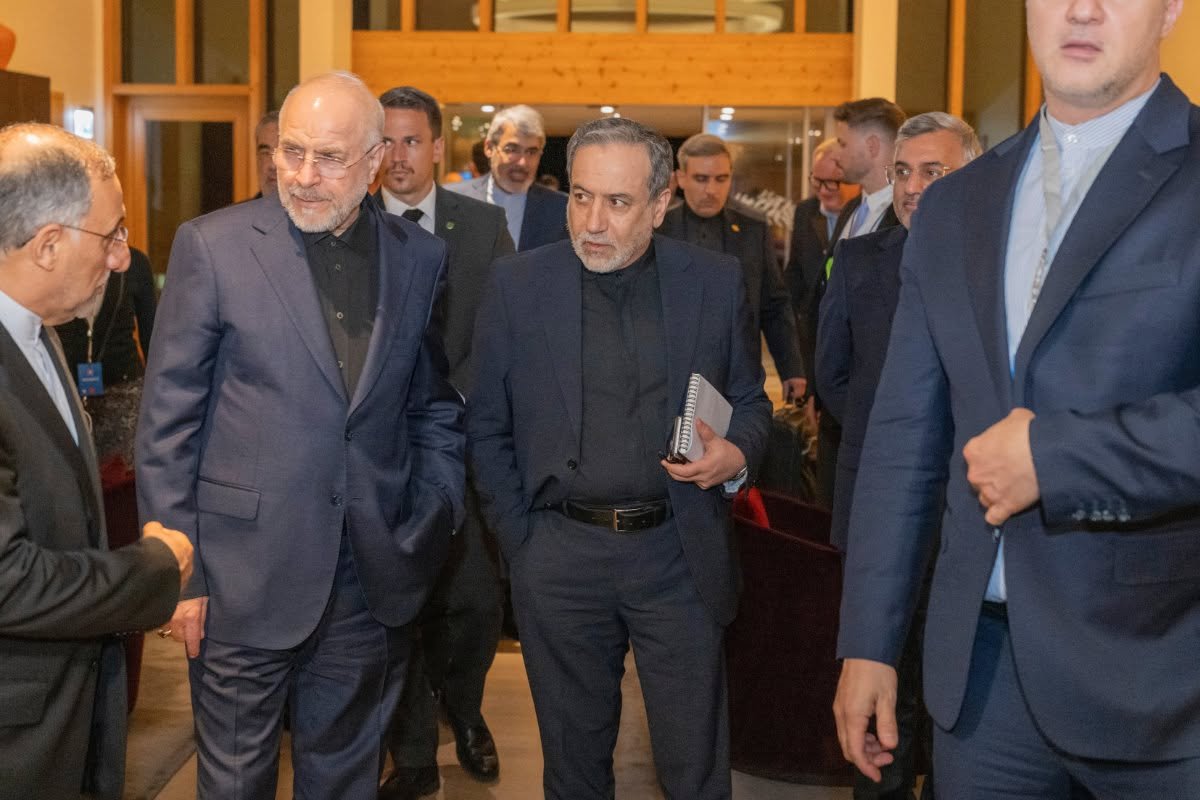
BURGENSTOCK: As global attention remains fixed on the evolving relationship between Washington and Tehran, Switzerland has once again emerged as the discreet facilitator of one of the world’s most consequential diplomatic conversations. The Swiss foreign ministry confirmed on Saturday that discussions related to the implementation of the recent memorandum of understanding between the United States and Iran are continuing at Bürgenstock, the secluded alpine resort that has increasingly become synonymous with high-stakes diplomacy. While acknowledging that talks are underway, Swiss authorities declined to identify participants or disclose details of the negotiations, emphasizing the need for confidentiality.
The statement underscores Switzerland’s long-standing role as a trusted intermediary in international affairs. By providing what officials described as a “discreet and reliable setting,” Bern is reinforcing its reputation as a neutral platform where adversaries can engage away from the glare of media scrutiny and political posturing.
The continuation of discussions suggests that the recently announced U.S.-Iran understanding has moved beyond political declarations into the more complex phase of implementation. History shows that diplomatic breakthroughs are rarely secured through public statements alone; their success depends on painstaking negotiations, technical arrangements, and sustained political commitment behind closed doors.
For Washington, implementation represents an opportunity to translate a fragile opening into a durable framework that could reduce regional tensions, limit the risk of military confrontation, and create space for broader engagement. For Tehran, the process offers the prospect of economic relief, greater international legitimacy, and a pathway toward reducing decades of strategic isolation.
Yet significant challenges remain. Questions surrounding sanctions relief, nuclear safeguards, regional security dynamics, and verification mechanisms are likely to dominate discussions. The durability of any agreement will ultimately depend on whether both sides can overcome deep-seated mistrust that has defined U.S.-Iran relations for more than four decades.
Bürgenstock’s role in hosting these confidential exchanges highlights a broader truth about modern diplomacy: transformative agreements are often forged not in public summits but in quiet rooms where compromise becomes possible. Switzerland’s insistence on confidentiality may frustrate those seeking immediate answers, but it also reflects an understanding that successful diplomacy frequently requires patience, discretion, and political space.
As negotiations continue behind closed doors, the world will be watching for signs that this latest diplomatic effort can deliver something that has long eluded both Washington and Tehran, a stable and sustainable framework capable of reshaping the security landscape of the Middle East.
Whether the talks ultimately produce a lasting breakthrough remains uncertain. What is clear, however, is that the diplomatic process remains alive, and Switzerland continues to play a pivotal role in keeping the conversation moving forward.
-Mark Robbinson
READ THE FULL E-MAGAZINE | WorldAffairs: For Decision-Makers Who Need More Than Headlines