




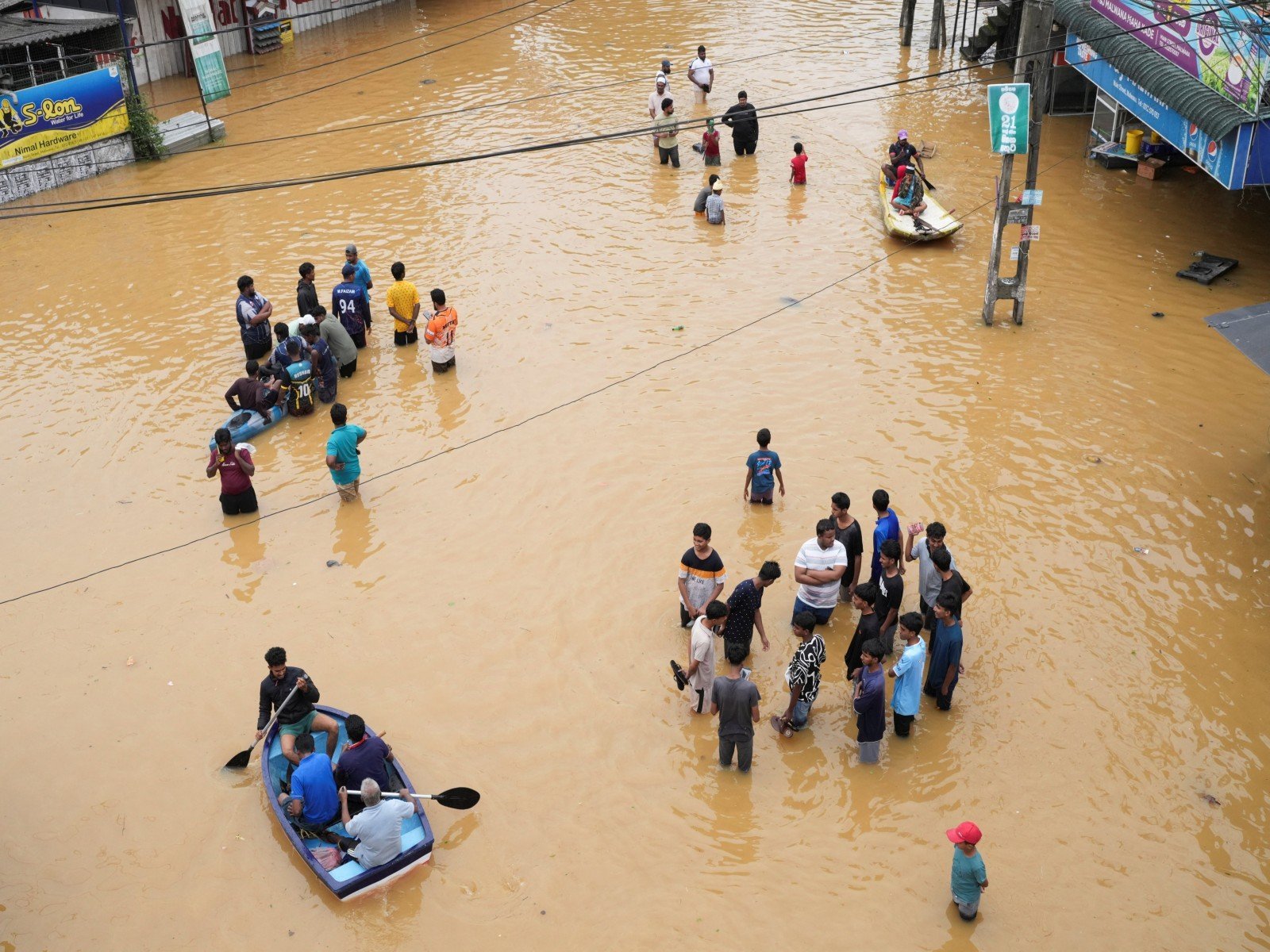
JAKARTA/BANGKOK: A devastating tropical storm has swept across Southeast Asia, leaving a trail of unprecedented destruction across Indonesia, Thailand, and Malaysia. The disaster has claimed over 600 lives, displaced tens of thousands, and affected more than 4 million people in what experts are calling one of the region’s worst natural disasters in recent years.
The rare tropical storm, which formed in the Malacca Strait, unleashed torrential rains and powerful winds for an entire week, triggering massive floods and landslides across the region. Indonesia bears the heaviest toll with 435 deaths, followed by Thailand with 170 fatalities, and Malaysia with three reported deaths. The scale of devastation has forced authorities to launch large-scale evacuation and relief operations that continued through the weekend.
The Hardest Hit Regions
Indonesia’s Crisis Deepens
Indonesia’s western island of Sumatra suffered the most severe impact, with three provinces devastated by landslides and floods. The death toll surged dramatically from 303 on Saturday to 435 by Sunday, as officials compiled reports from remote areas previously cut off from communication.
Access to affected areas remains severely restricted due to blocked roads and damaged telecommunications infrastructure, hampering rescue efforts. Helicopters have been deployed to reach isolated communities and deliver emergency aid to stranded residents. From a navy chopper flying over the isolated town of Palembayan in West Sumatra, a WNN photographer witnessed large tracts of land and homes completely swept away by raging floodwaters.
“The water just rose up into the house and we were afraid, so we fled. Then we came back on Friday, and the house was gone, destroyed,” Afrianti, 41, told WNN in West Sumatra’s Padang city. She and her family of nine have constructed a makeshift tent shelter beside the single wall that remains of their home.
“My home and business are gone, the shop is gone. Nothing remains. I can only live near this one remaining wall,” she added, her voice heavy with despair.
According to official reports, 406 people remain missing with over 213,000 displaced across the country. Desperate conditions in some areas have led to reports of looting as communities struggle to access relief supplies.
Thailand’s Historic Rainfall
In Thailand, southern regions bore the brunt of the storm’s fury. Hat Yai, the largest city in Songkhla Province, which recorded 131 deaths—received an unprecedented 335 mm of rain in a single day, marking its highest rainfall in 300 years of recorded weather data.
Thailand’s Ministry of Public Health confirmed 170 deaths and 102 injuries across the country, with nearly 3 million people affected by the disaster. Emergency response teams continue working around the clock to provide aid and restore essential services to flood-ravaged communities.
Malaysia’s Swift Response
Malaysia demonstrated remarkable coordination in crisis response, evacuating approximately 6,200 nationals stranded in neighboring Thailand while simultaneously managing nearly 18,700 people in domestic evacuation centers.
The country’s foreign ministry issued an advisory on Sunday for Malaysian citizens living in Indonesia’s West Sumatra to register with local consulates for assistance. Tragically, a 30-year-old Malaysian was reported missing following a landslide in the area.
Meteorological authorities have since lifted tropical storm warnings, forecasting improved conditions ahead, offering hope for recovery efforts.
Regional Impact and Response
The disaster has highlighted the increasing vulnerability of Southeast Asian nations to extreme weather events. Climate experts suggest that such intense tropical storms are becoming more frequent and severe due to rising sea temperatures in the region.
International Aid Mobilizes
Regional governments have activated emergency protocols, with neighboring countries offering assistance. The Association of Southeast Asian Nations (ASEAN) has indicated readiness to coordinate international aid efforts as the full scope of the disaster becomes clear.
Emergency shelters have been established across all three affected countries, with relief organizations working to provide food, clean water, and medical assistance to displaced families. The Indonesian government has declared a state of emergency in the worst-hit provinces, enabling faster deployment of resources and military assistance.
Additional Regional Challenges
Separately, across the Bay of Bengal, Sri Lanka faces its own crisis as another cyclone claimed 153 lives, with 191 others missing and more than half a million people affected nationwide. This concurrent disaster has stretched regional emergency response capabilities and highlighted the broader pattern of extreme weather affecting South and Southeast Asia.
The humanitarian crisis continues as relief teams work to reach remote areas and provide assistance to millions affected by these rare and destructive weather events. Recovery efforts are expected to take months, with infrastructure damage estimated in the billions of dollars across the affected regions.
As floodwaters slowly recede, the true extent of the devastation is becoming apparent, marking this tropical storm as one of the most significant natural disasters to impact Southeast Asia in recent memory.
-Aidil Ichlas and Panarat Thepgumpanat