

TEHRAN: Iran has begun a week-long state funeral for its late Supreme Leader, Ayatollah Ali Khamenei, with thousands of mourners, senior officials, military commanders, and foreign dignitaries gathering in Tehran as the Islamic Republic attempts to project unity at one of the most consequential moments in its modern history.
The funeral ceremonies, which will culminate with Khamenei’s burial in Mashhad after processions through Tehran, Qom, Najaf, and Kerbala, are being presented by Iranian authorities as a demonstration of national resilience and revolutionary continuity following the unprecedented conflict that claimed the country’s highest-ranking leader.
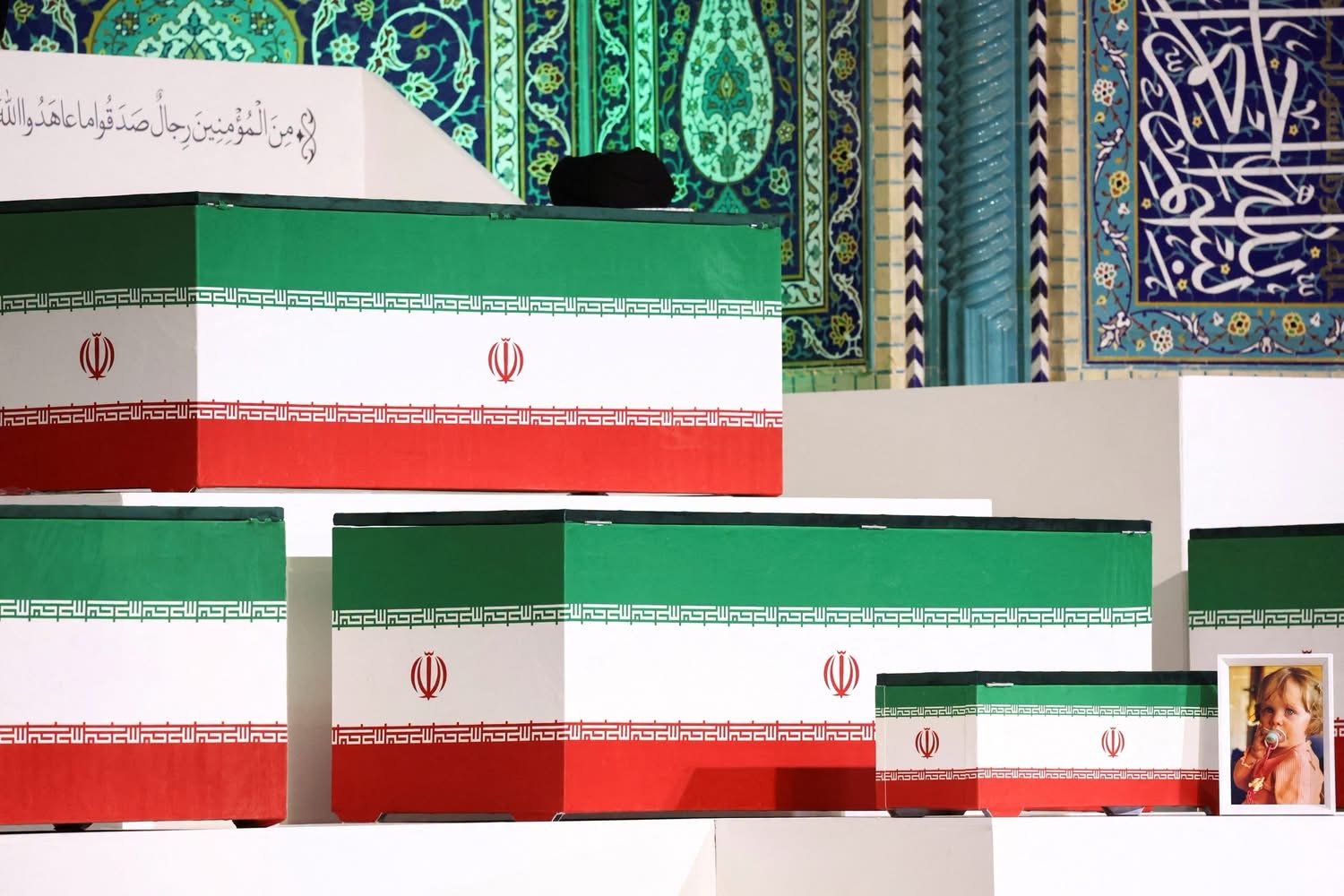
Khamenei’s coffin was placed in state at a major prayer hall dedicated to the founder of the Islamic Republic, Ayatollah Ruhollah Khomeini, where mourners paid their final respects amid scenes of public grief, religious rituals, and heightened security. Black mourning flags, religious chants, and symbolic displays reflected the deep significance of martyrdom within Shi’ite political and religious tradition.
The ceremonies come at a defining moment for Iran. While the government seeks to reinforce the legitimacy of the Islamic Republic through mass public participation, the country continues to face profound economic challenges, international sanctions, political divisions, and questions over its long-term leadership transition.
Authorities have mobilised transportation, accommodation, and logistical support to encourage large crowds throughout the funeral week, underscoring the political importance attached to the ceremonies. Security remains exceptionally tight across Tehran, with military deployments and police patrols visible throughout the capital, while officials have warned against any external military action during the mourning period.
International participation has further highlighted Iran’s regional and diplomatic relationships. Senior representatives from Russia, China, Pakistan, Iraq, and allied regional organisations attended the ceremony alongside families of prominent Hezbollah figures, reinforcing the network of partnerships that has shaped Tehran’s regional strategy for decades.
Within Iran’s political establishment, senior government officials, Revolutionary Guard commanders, and religious leaders appeared together in carefully choreographed displays of unity. The appearance of newly appointed military leadership also reflected efforts to reassure both domestic audiences and regional allies following the recent conflict.
Yet beyond the symbolism, the funeral unfolds against an uncertain political landscape. Analysts note that the Islamic Republic now faces the complex task of managing leadership succession while preserving internal cohesion during a period of mounting economic pressure and geopolitical confrontation.
The planned funeral procession through Iran’s leading religious centres before concluding in Mashhad is intended not only as a farewell to the country’s longest-serving Supreme Leader but also as a reaffirmation of the ideological foundations of the Islamic Republic.
Whether these ceremonies ultimately strengthen national solidarity or merely postpone deeper political questions will become clearer in the weeks and months ahead as Iran enters one of the most significant transitions since the 1979 Islamic Revolution.
⁃ William McDowall