

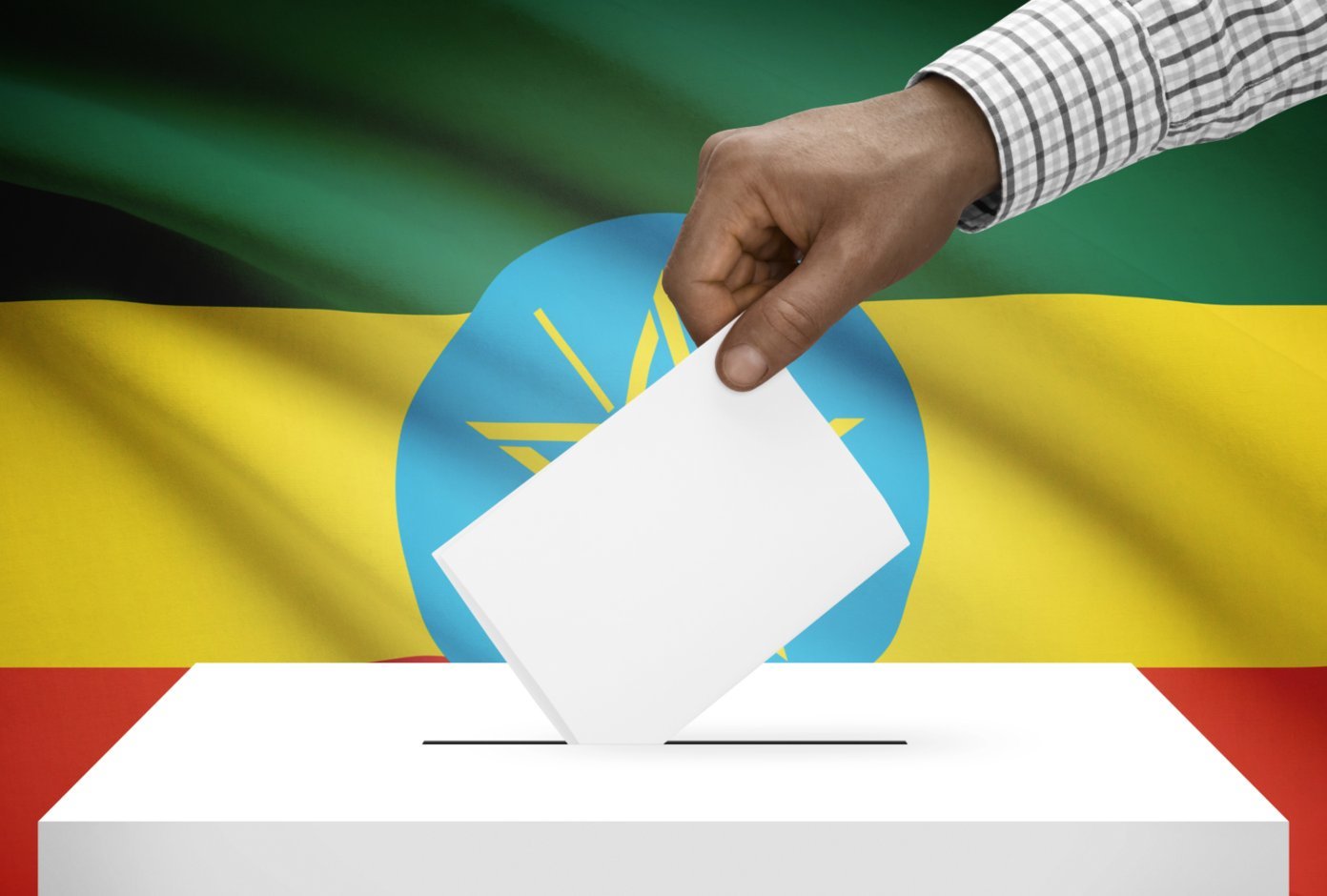
ADDIS ABABA, Ethiopia: As Ethiopians head to the polls this Monday, the stakes extend far beyond the ballot box. This election is not merely about choosing lawmakers, it is a referendum on the country’s fragile peace, its political trajectory, and the leadership of Prime Minister Abiy Ahmed in a nation still grappling with the aftershocks of conflict.
With nearly 50 million voters expected to participate, the outcome appears largely predetermined. Abiy’s Prosperity Party, already dominating the House of Representatives with over 500 seats, is widely projected to secure another sweeping victory. A fragmented opposition, struggling to unify or mobilize effectively, has left little room for a competitive contest. Yet, the predictability of the result does not diminish the significance of the moment.
Ethiopia’s electoral system places immense power in the hands of elected lawmakers, who will ultimately decide the prime minister. In theory, this indirect system reflects parliamentary democracy; in practice, it reinforces the ruling party’s entrenched advantage. As a result, the election risks becoming less a contest of ideas and more a consolidation of existing power.
But beneath the surface of electoral routine lies a nation in transition and tension.
The shadow of the Tigray war looms large. Despite a peace agreement signed in November 2022, the scars of a conflict that claimed hundreds of thousands of lives remain deeply etched into Ethiopia’s political and social fabric. Tigray itself will once again be absent from the electoral process, excluded from federal representation for six consecutive years. This absence raises uncomfortable questions about inclusivity and legitimacy in a country striving for national reconciliation.
At the same time, unrest in regions such as Oromia and Amhara underscores the persistent volatility of Ethiopia’s federal structure, where ethnic identity and political power remain tightly intertwined. The ruling party’s narrative of unity and development is being tested against realities of displacement, distrust, and sporadic violence.
Prime Minister Abiy Ahmed, once celebrated globally and awarded the Nobel Peace Prize in 2019 for ending decades of hostility with Eritrea, now faces a far more complex legacy. His early promise of reform and reconciliation has been overshadowed by internal conflicts and renewed regional tensions, including disputes linked to Ethiopia’s ambitions for sea access. The risk of escalation particularly involving Tigray remains a pressing concern.
Against this backdrop, the presence of international observers, led by Kenya’s former President Uhuru Kenyatta under the African Union banner, carries symbolic weight. Ethiopia, as host of the African Union headquarters, holds a unique responsibility in shaping democratic norms on the continent. The credibility of its electoral process is therefore not just a domestic matter but a regional one.
There are, however, signs of cautious optimism. Analysts point to improvements in electoral technology and growing public awareness as factors that could enhance transparency. Yet even a technically sound election cannot fully address deeper political challenges chief among them the need to move beyond ethnic-based politics and foster a genuinely inclusive national dialogue.
In Addis Ababa, where campaigning has been notably subdued, the heavy military presence reflects both precaution and unease. The quiet streets, devoid of the usual electoral fervor, speak volumes about a population that is watchful, if not wary.
Ultimately, Ethiopia’s election is less about uncertainty of outcome and more about the direction of its future. Will this vote mark a step toward healing and stability, or will it reinforce divisions that continue to threaten the nation’s cohesion?
For many Ethiopians, the answer lies not just in who wins, but in what comes after.
-Martin Lewis
READ THE FULL E-MAGAZINE | SUBSCRIBE WorldAffairs To Understand the World Before It Shapes You