




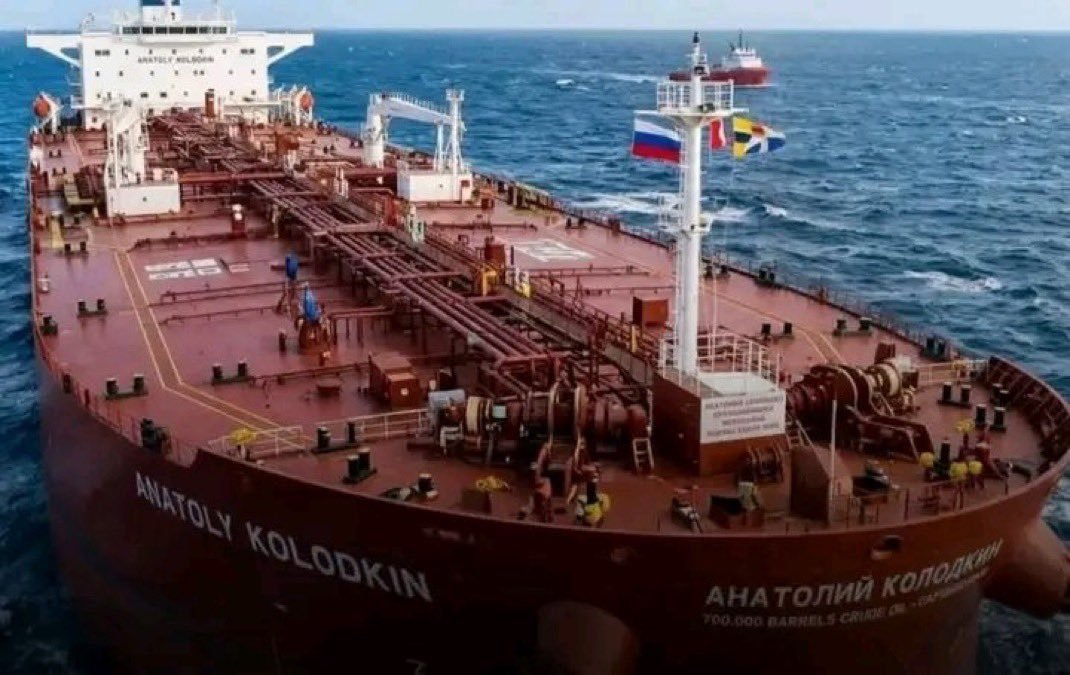
MOSCOW: A Russian oil tanker carrying approximately 100,000 metric tons of crude oil has arrived in Cuba, marking the island’s first major fuel delivery in nearly three months and highlighting Moscow’s renewed commitment to support Havana amid tightening US pressure on energy supplies.
The tanker, Anatoly Kolodkin, reached the port of Matanzas after departing Russia’s Baltic port of Primorsk earlier in March, according to maritime tracking data and official statements from Russia’s transport ministry.
The shipment comes at a critical moment for Cuba, which has been facing severe electricity shortages and nationwide blackouts following the suspension of external fuel deliveries. Cuban President Miguel Diaz-Canel recently confirmed that the country had gone three months without receiving oil imports, worsening conditions across transportation, industry, and healthcare sectors.
Russia described the cargo as part of its broader commitment to assist allied nations facing economic pressure and energy insecurity. Kremlin spokesperson Dmitry Peskov said Moscow would continue working on additional supplies given Cuba’s “desperate situation,” underscoring the humanitarian dimension of the shipment.
The arrival of the tanker also follows a period of heightened tension between Washington and Havana over fuel shipments. Earlier this year, the United States moved to halt Venezuelan oil exports to Cuba after political changes in Venezuela, significantly reducing Havana’s access to its traditional energy lifeline.
At the same time, US President Donald Trump had warned that countries supplying crude to Cuba could face punitive tariffs, signaling a tougher enforcement approach toward energy flows into the Caribbean nation. However, Washington later softened its stance and indicated it would allow the Russian shipment to proceed amid humanitarian concerns over Cuba’s worsening electricity shortages.
Analysts say the decision reflects the complexity of US policy toward Cuba at a time when global energy markets remain volatile due to wider geopolitical tensions, including disruptions linked to instability in the Middle East.
For Cuba, the Russian shipment offers only temporary relief. Experts estimate the crude cargo could support diesel production sufficient to meet national demand for less than two weeks once refined, underscoring the structural nature of the island’s energy crisis.
Nevertheless, the delivery carries significant geopolitical symbolism. Cuba has historically relied on external partners for energy support since its 1959 revolution, first from the Soviet Union and later from Venezuela. Russia’s renewed role as a supplier signals a revival of strategic energy cooperation between Moscow and Havana at a time when global alliances are shifting under pressure from sanctions regimes and supply disruptions.
Ship-tracking data shows the tanker entered Cuban waters after traveling across the Atlantic earlier this month, drawing close monitoring from international observers given its status as a sanctioned vessel in Western jurisdictions.
Russian officials confirmed that the shipment had been discussed with US counterparts in advance, reflecting ongoing diplomatic contacts despite tensions over sanctions and broader geopolitical competition.
With Cuba’s population of roughly 10 million people facing persistent electricity shortages and economic strain, further Russian deliveries may follow if negotiations continue, potentially reshaping the island’s short-term energy outlook and reinforcing Moscow’s influence in the Caribbean energy landscape.
⁃ Vladimir Stolyarov