


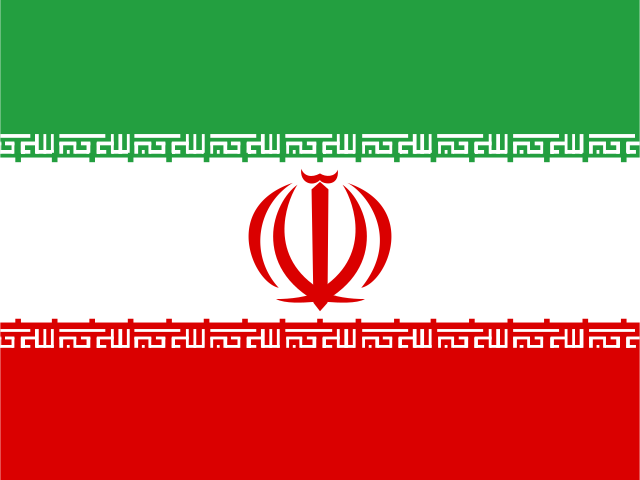
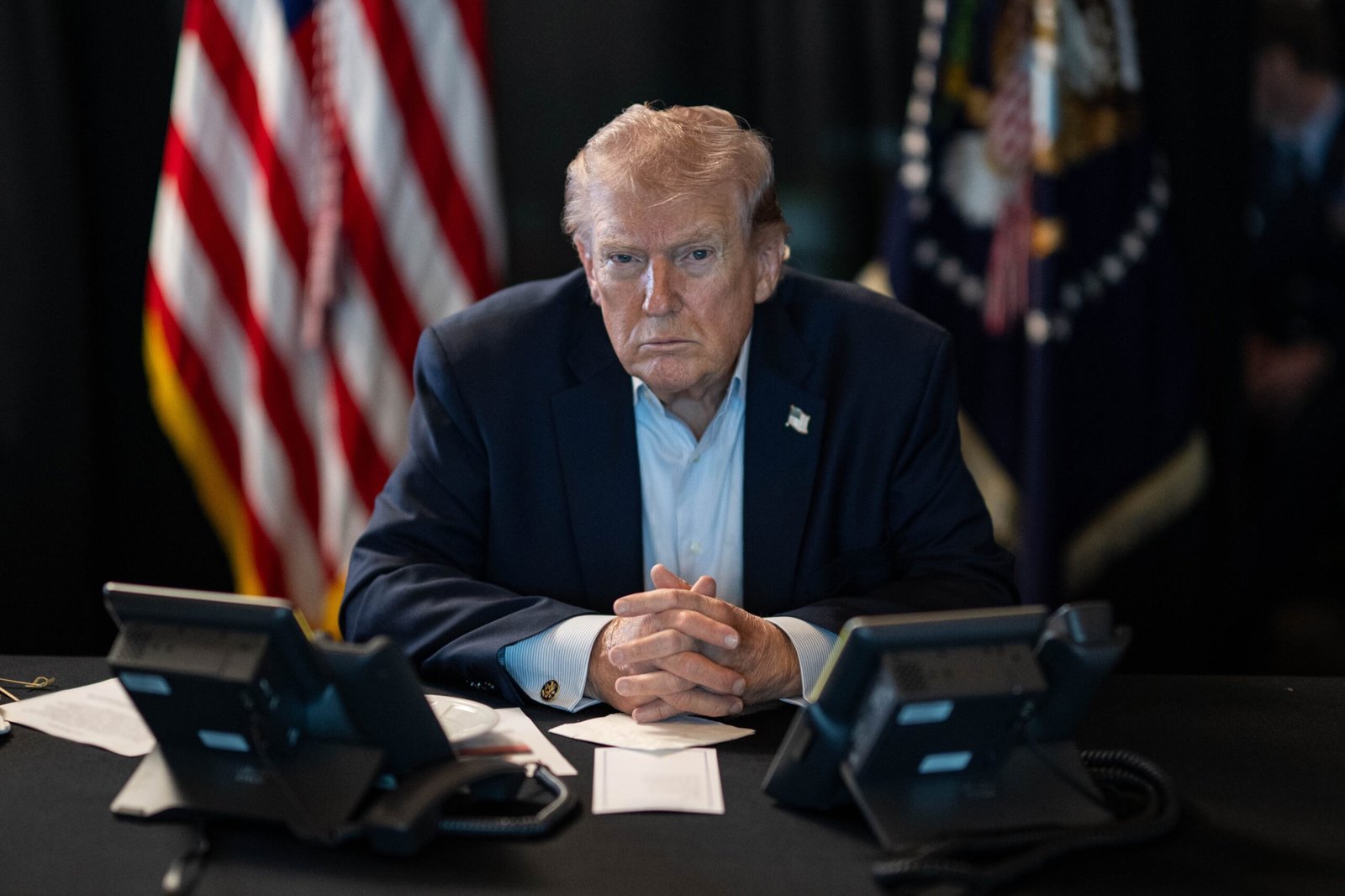
WASHINGTON: Trump’s decision to launch large-scale military strikes against Iran marks one of the most consequential foreign policy escalations in recent U.S. history and one with significant geopolitical and domestic political implications.
President Donald Trump moved forward with the operation despite private warnings from senior advisers who cautioned that escalation risks were substantial and that political fallout could undermine Republican prospects in November’s midterm elections. The strikes, framed by the administration as decisive leadership, have reignited long-standing debates in Washington over interventionism, deterrence credibility, and electoral risk.
The operation, dubbed Operation Epic Fury, has drawn strong support from foreign policy hawks who have long advocated a more aggressive approach toward Tehran. For decades, regime change in Iran has remained an aspiration within certain U.S. strategic circles. Trump’s decision aligns with a doctrine of assertive deterrence projecting strength abroad while reinforcing perceptions of resolve at home.
According to senior White House officials, the president repeatedly sought assessments of how military action would resonate politically. Intelligence briefings reportedly did not offer firm assurances that escalation could be contained once strikes commenced. Trump ultimately sided with advisers who argued that controlled force would demonstrate authority rather than vulnerability, even if it introduced longer-term unpredictability.
The geopolitical risks are immediate and complex. A prolonged conflict could trigger retaliatory escalation across the Middle East, threaten maritime security in the Strait of Hormuz, disrupt global energy markets, and entangle U.S. forces in Iran’s regional proxy networks. White House officials anticipate what one described as a “slow-burn political effect,” dependent on the conflict’s duration, American casualties, and potential fuel price increases, historically a decisive electoral variable.
The administration has indicated the operation may last four to five weeks, though Middle East conflicts rarely conform to projected timelines. Even limited engagements carry the risk of miscalculation, especially when regional actors are deeply embedded in overlapping security alliances and rivalries.
Polling data reflects political vulnerability. A recent WNN/Ipsos survey found that only one in four Americans approve of the strikes that killed Iran’s leader. Roughly half of respondents including a quarter of Republicans believe Trump is too willing to use military force. For a president who campaigned on a non-interventionist “America First” platform, the shift toward overt military escalation presents messaging challenges, particularly among core supporters wary of foreign entanglements.
Republicans hold a narrow majority in the House of Representatives, and competitive districts could become highly sensitive to developments in Iran. Casualty reports, congressional war powers debates, and fluctuations in gasoline prices may dominate the political narrative at a time when voters remain focused on affordability and economic stability. Historically, foreign policy victories seldom yield sustained electoral dividends, while prolonged conflicts often do lasting political damage.
Just days before the strikes, Trump’s State of the Union address emphasized healthcare, affordability, and domestic economic resilience. The rapid pivot to Middle East conflict risks diluting that economic message. With 58% of Americans expressing disapproval of Trump’s overall job performance in a February WNN/Ipsos poll, Republican candidates will depend heavily on base mobilization to maintain congressional control. Even modest voter skepticism in swing districts could alter the balance of power.
Strategically, outcomes will determine political consequences. A short-duration conflict with limited casualties, clear degradation of Iran’s nuclear capability, and minimal energy market disruption could reinforce perceptions of strength. Conversely, regional escalation, sustained American losses, and oil price spikes could transform the operation into a political liability.
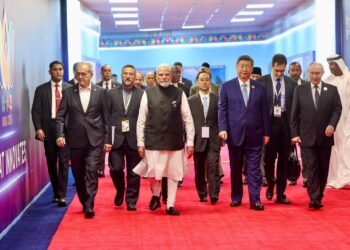
Iran represents a far more complex adversary than previous limited engagements undertaken by the administration. Its regional proxy network, ballistic missile capabilities, and geopolitical ties with Russia and China introduce additional layers of uncertainty. The confrontation tests American deterrence credibility, U.S.–Israel alignment, Gulf security architecture, and global energy resilience simultaneously.
Beyond domestic calculations, the broader geopolitical equation is unfolding in real time. Allies and adversaries alike are assessing Washington’s appetite for sustained engagement. Moscow and Beijing are likely to recalibrate diplomatic and strategic postures based on the trajectory of events. Energy markets are already pricing in volatility risk.
For now, the administration appears prepared to accept calculated uncertainty, betting that decisive action will outweigh war fatigue in an electorate traditionally skeptical of prolonged Middle East conflicts. Whether that gamble reshapes regional security dynamics or the U.S. political landscape ahead of the midterms will depend not only on military outcomes but on the speed and scope of Iran’s response.
-Chris Sanders