


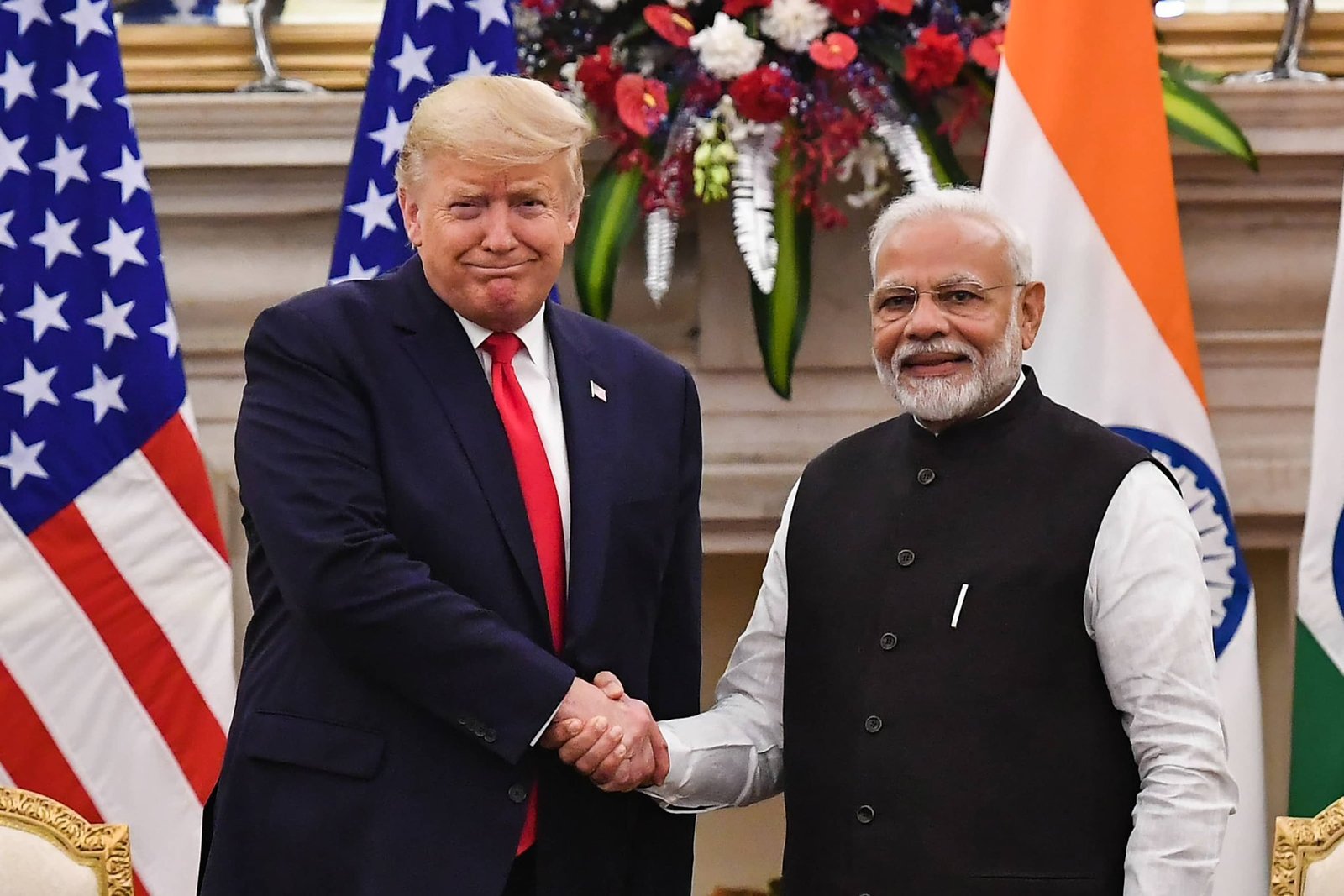
NEW DELHI/ WASHINGTON: Prime Minister Narendra Modi’s latest trade understanding with the United States has been hailed by the ruling coalition as a diplomatic and economic win. Yet, opposition lawmakers led by Rahul Gandhi have questioned whether the agreement sacrifices domestic interests, particularly in agriculture and energy, in exchange for short-term political optics.
Government leaders praised the reduction of U.S. tariffs on Indian goods from 25% to 18%. Union Commerce Minister Piyush Goyal told Parliament, “India has secured the best deal compared to countries in the neighborhood. Sensitive sectors such as agriculture and dairy have been fully protected.” He added, “This agreement will strengthen India–U.S. ties and benefit every Indian.”
From Washington, the tone was markedly strategic. A White House spokesperson told Fox News that the deal represents “a major step forward for American workers and farmers” and added that it reflects “India’s commitment to align more closely with the United States on energy and trade priorities.” This statement has drawn attention in New Delhi, particularly because India has not publicly confirmed any pledge to halt or sharply reduce Russian oil imports.
Rahul Gandhi, speaking in the Lok Sabha, challenged both the economics and the politics of the deal. “This government is celebrating headlines, but it has not shown the fine print,” he said. “If U.S. agricultural products enter India at zero tariffs, our farmers and dairy workers will pay the price.” He further warned, “You cannot build global partnerships by weakening your own rural economy.”
Gandhi also questioned the feasibility of President Donald Trump’s claim that India would import $500 billion worth of U.S. goods. “At current levels, India imports about $50 billion annually from the U.S. Reaching $500 billion would take decades. This is not a trade plan; it is a political slogan,” he said.
Finance Ministry officials, however, defended the deal’s economic logic. Finance Secretary Arvind Shrivastava said, “This agreement will deepen trade between two of the world’s largest economies, create opportunities for India’s labor-intensive sectors, and accelerate cooperation in advanced technologies.” He described the deal as “structurally beneficial for India’s long-term growth.”
Yet analysts note that agriculture remains the political fault line. U.S. Agriculture Secretary Brooker Rollins welcomed the deal on social media, stating that it would “help American farmers export more products to India’s massive market.” In contrast, Indian lawmakers across party lines have demanded transparency on whether zero tariffs or reduced barriers apply to farm and dairy products.
The energy dimension has further complicated the narrative. Trump publicly stated that India had agreed to stop purchasing Russian oil — a claim New Delhi has neither confirmed nor denied. Gandhi seized on this ambiguity, saying in Parliament, “India’s energy policy cannot be dictated by foreign pressure. Our duty is to ensure affordable fuel for 1.4 billion people, not to serve another country’s geopolitical agenda.”
Supporters of the deal argue that tariff relief will boost Indian exports and reinforce India’s strategic partnership with the United States. Critics counter that without full disclosure, the agreement risks undermining economic sovereignty, rural livelihoods, and India’s long-standing doctrine of strategic autonomy.
As one opposition MP put it during the debate, “Trade policy should be shaped in Parliament, not announced on foreign television networks.”
Ultimately, Modi’s U.S. trade reset stands at the intersection of diplomacy, domestic politics, and global power shifts. Whether it proves to be a lasting economic breakthrough or a politically costly concession will depend not on official statements, but on the terms that have yet to be publicly revealed and on how they affect India’s farmers, workers, and strategic independence.