


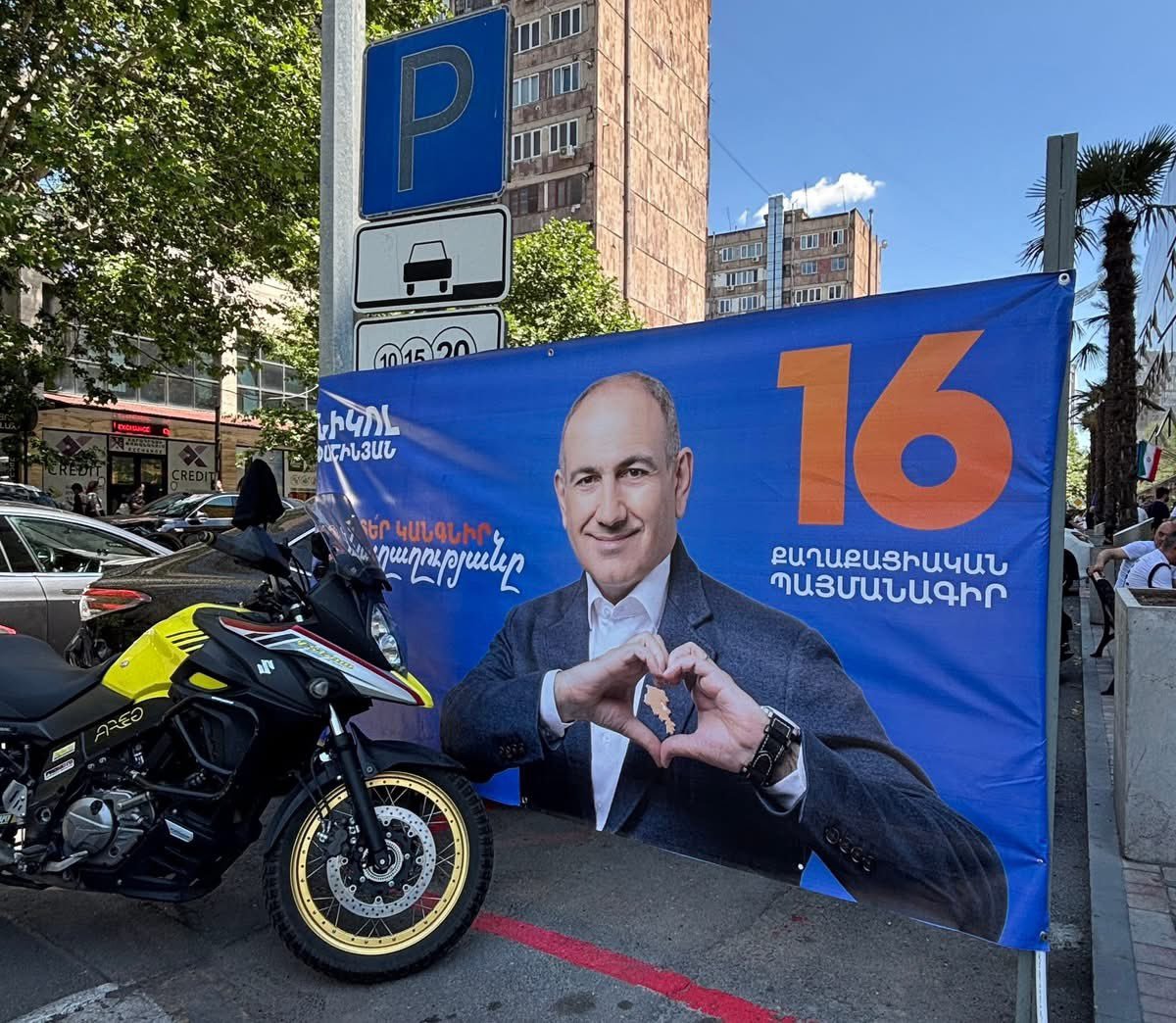
YEREVAN : Armenia’s parliamentary election is not simply a political contest; it is a defining moment in the country’s post-war identity and geopolitical direction. Beneath the surface lies a fundamental question: can Armenia pursue peace with Azerbaijan, reduce its dependence on Russia, and maintain domestic stability at the same time?
Prime Minister Nikol Pashinyan faces this challenge at a critical juncture. Since coming to power in 2018 on a wave of reformist energy, he has reshaped Armenia’s political landscape and delivered notable economic growth. However, those gains are overshadowed by the long-term consequences of military defeat and the loss of Nagorno-Karabakh in 2023.
That loss was not only territorial, it was psychological and symbolic. It marked the collapse of a long-standing national aspiration. In response, Pashinyan has advanced a peace-first strategy, including a United States-backed agreement aimed at normalizing relations with Azerbaijan. This reflects a pragmatic shift: Armenia is attempting to exchange unresolved conflict for long-term stability.
Yet this approach remains deeply controversial. For many citizens, peace without concessions from Azerbaijan is viewed as a strategic compromise that weakens national identity. Opposition groups have used this sentiment to frame the election as a choice between dignity and diplomacy.
At the same time, pro-Russian political forces are gaining renewed traction. The Strong Armenia party and similar groups argue for restoring closer ties with Moscow, emphasizing security guarantees and economic dependence. Historically, Russia has been Armenia’s primary ally, particularly in defense and energy. However, recent conflicts have raised doubts about Moscow’s reliability, as its support appeared limited when Armenia needed it most.
This has placed Armenia in a difficult position. Pashinyan’s call for a “balanced foreign policy” reflects the country’s geopolitical reality rather than a simple preference. Armenia cannot fully disengage from Russia, given its economic and strategic ties. At the same time, closer engagement with the West offers new opportunities for economic diversification and political alignment. The result is a careful balancing act, one that carries risks on all sides.
Domestic politics add another layer of complexity. The detention of opposition figures ahead of the election has raised concerns about democratic backsliding. While the government argues these actions are necessary to maintain stability and prevent political unrest, critics see them as a sign of increasing centralization of power.
The election environment itself also highlights the growing role of information warfare. Reports of false threats and disinformation campaigns underline how modern elections are shaped not only by voters, but also by digital influence and external interference.
Meanwhile, the legacy of Nagorno-Karabakh continues to influence public sentiment. Thousands of displaced individuals remain deeply affected, and their experiences shape the national debate. For them, this election is not abstract, it is about loss, security, and the future of Armenian identity.
Ultimately, this vote represents a strategic turning point. A victory for Pashinyan would likely reinforce Armenia’s current direction: cautious peace efforts, gradual Western engagement, and a measured distancing from Russia. A stronger performance by pro-Russian forces, however, could slow or reverse this trajectory.
Armenia’s choices are constrained by geography and history, yet the country is attempting to redefine its place in a shifting regional order. The outcome of this election will determine whether it can sustain a fragile balance between competing powers while preserving its sovereignty.
In the end, Armenia is not just choosing a government, it is choosing a geopolitical path. The question is whether peace, after conflict and loss, can become a durable foundation for the future.
⁃ Andrew Papachristou
READ THE FULL E-MAGAZINE | WorldAffairs: Understand the World Before It Shapes You