

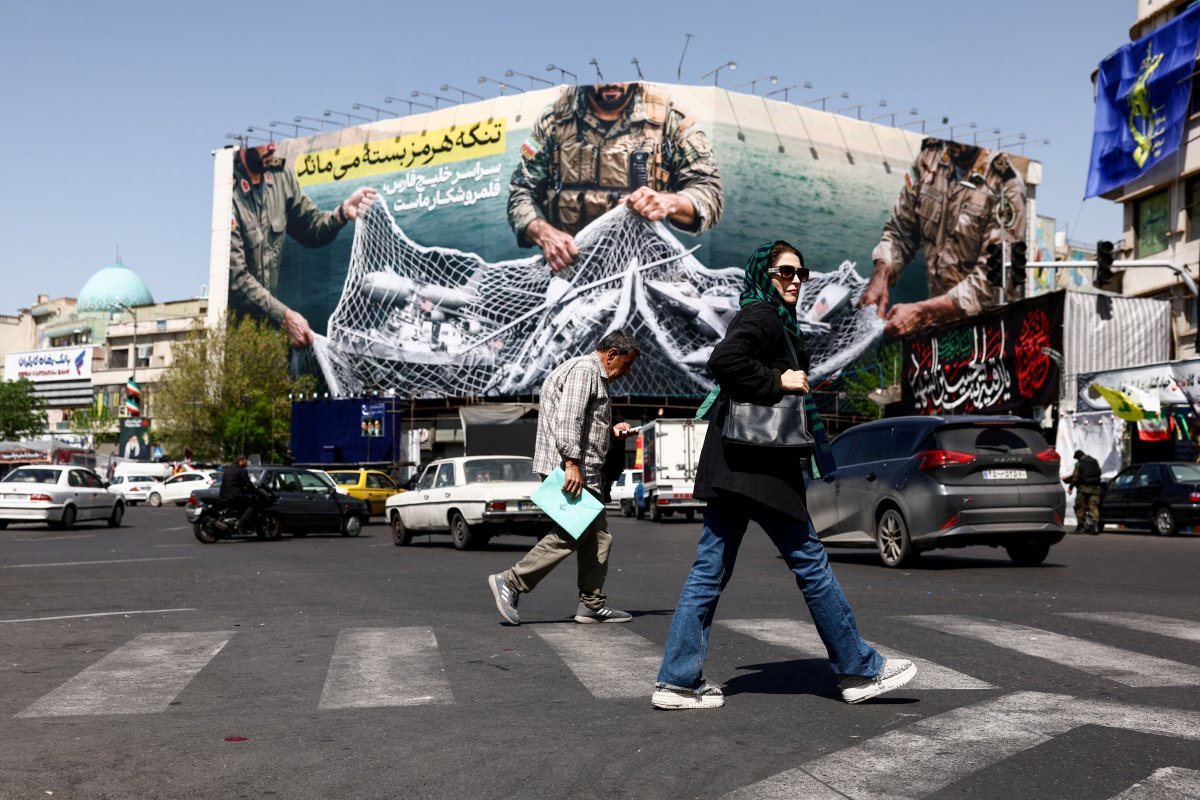
TEHRAN/ WASHINGTON, D.C: Pakistan helped broker a two-week ceasefire framework between the United States and Iran late Tuesday, easing tensions around the strategically critical Strait of Hormuz and creating a narrow diplomatic window in a conflict that has already disrupted regional security dynamics and global energy markets.
U.S. President Donald Trump stepped back from earlier threats to launch large-scale strikes on Iranian bridges and power plants less than two hours before a self-imposed deadline for Tehran to reopen maritime transit through the Strait or face devastating infrastructure attacks. Earlier in the day, Trump had warned that failure to comply could result in consequences severe enough to destroy Iranian “civilization,” underscoring the intensity of the confrontation before the abrupt diplomatic shift.
Iran’s Supreme National Security Council of Iran confirmed acceptance of the ceasefire proposal and said negotiations with Washington would begin in Islamabad on Friday. However, neither side clarified when the ceasefire would formally take effect, and missile alerts continued across multiple theaters including Israel, Iran and several Gulf states overnight.
Israeli Prime Minister Benjamin Netanyahu said Israel supported Washington’s decision to suspend strikes provided Iran immediately reopened maritime transit through the Strait of Hormuz and halted attacks on Israel, the United States and regional partners. He emphasized that Israeli operations against Hezbollah in Lebanon would continue independently of the ceasefire arrangement.
Pakistan’s Prime Minister Shehbaz Sharif confirmed Islamabad’s role in facilitating talks and said delegations from both countries had been invited to meet in the Pakistani capital later in the week. Pakistan’s military chief Asim Munir also played a key role in mediation efforts that helped secure the temporary pause.
The ceasefire arrangement was linked to Iran’s agreement to allow safe passage through the Strait of Hormuz, a maritime corridor that typically carries nearly one-fifth of global oil shipments. Iranian Foreign Minister Abbas Araghchi said Tehran would suspend counter-attacks and permit transit through the waterway if strikes against Iranian territory ceased.
Trump described the agreement as a “double-sided ceasefire,” stating that U.S. military objectives had already been achieved and that negotiations toward a longer-term settlement were progressing. He later characterized the development as a major step toward regional stability, while Iranian authorities framed the outcome as acceptance of their core conditions for ending hostilities.
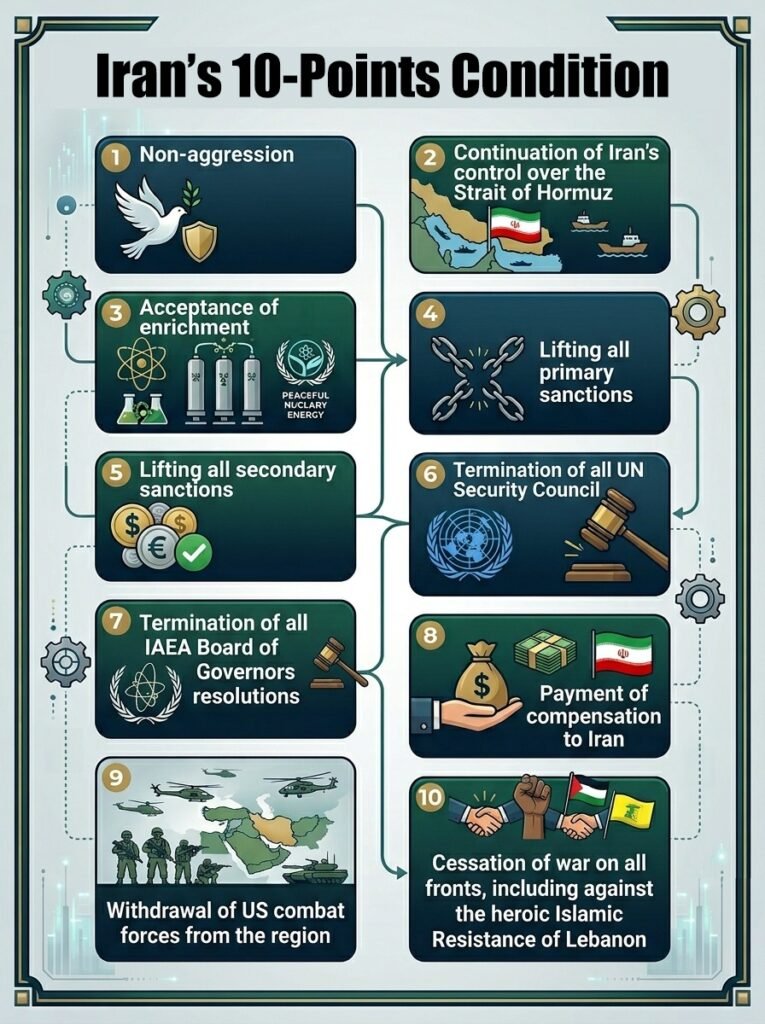
The diplomatic process nevertheless remains complicated by uncertainty surrounding a proposed 10-point negotiation framework circulated by Tehran. A Farsi-language version referenced continued “acceptance of enrichment” linked to Iran’s nuclear program, while the phrase was absent from English-language versions shared with journalists. The discrepancy has raised questions about the scope of commitments under discussion between the two sides.
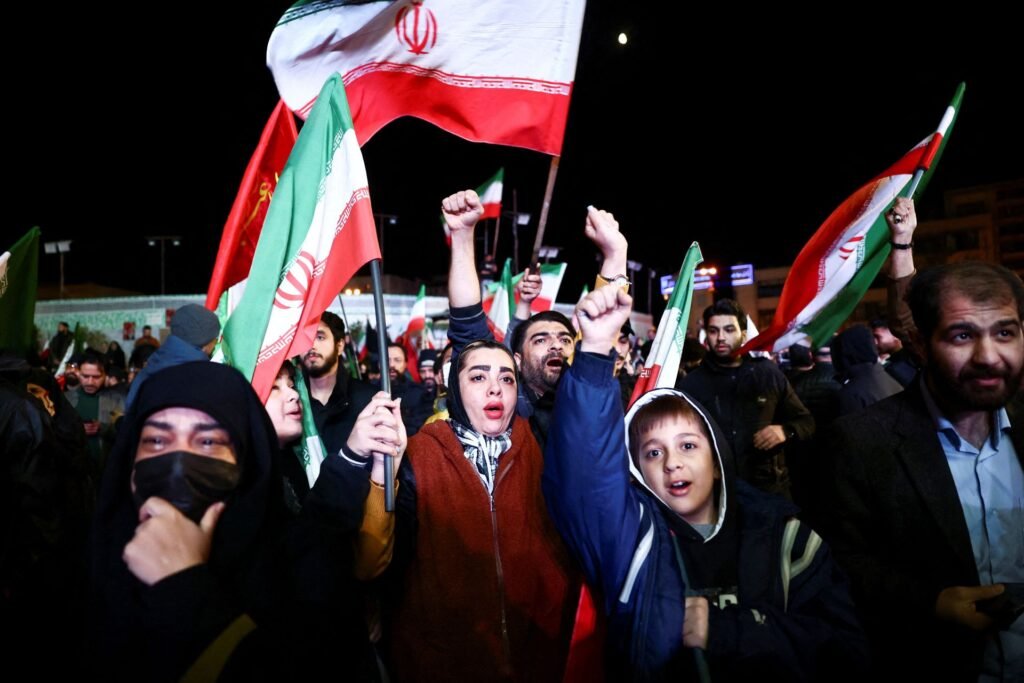
Public reaction inside Tehran reflected continuing political divisions. Demonstrators gathered in parts of the capital chanting slogans against the United States and Israel following the ceasefire announcement, highlighting resistance among hard-line constituencies skeptical of negotiations with Washington.
According to officials familiar with mediation efforts who spoke to WorldAffairs on condition of anonymity, the interim arrangement may also allow Iran and Oman to collect limited transit-related shipping fees during the ceasefire period, with Tehran expected to channel revenues toward reconstruction needs following weeks of strikes on infrastructure.
Iran has linked broader implementation of the agreement to several strategic demands, including withdrawal of U.S. combat forces from parts of the region, easing sanctions pressure and release of frozen Iranian financial assets abroad.
China, Iran’s largest trading partner, also encouraged progress toward a ceasefire during diplomatic exchanges, reflecting wider international concern over the economic consequences of continued escalation.
Despite the diplomatic breakthrough, missile alerts were reported early Wednesday across the United Arab Emirates, Israel, Saudi Arabia, Bahrain and Kuwait, underscoring the fragile security environment surrounding the agreement. A gas processing facility in Abu Dhabi was reported on fire following incoming strikes during the same period.
Although U.S. forces halted offensive operations against Iran, defensive deployments across the region remain active. Earlier airstrikes targeted bridges and transport infrastructure inside Iran, while U.S. forces struck military-linked facilities on Kharg Island, a key node supporting Iranian oil exports.
The war, now entering its sixth week, has caused more than 5,000 deaths across nearly a dozen countries, including over 1,600 civilians in Iran, according to government sources and human rights organizations. Casualties have also been reported across Lebanon, Israel, Gulf Arab states and the West Bank.
Iran’s stockpile of highly enriched uranium remains located at underground enrichment facilities, continuing to shape strategic calculations in both Washington and Tel Aviv as negotiations move forward.
While the reopening of the Strait of Hormuz provides temporary relief to global energy markets, continuing missile activity across multiple fronts indicates the ceasefire represents a fragile pause rather than a comprehensive settlement to the broader regional conflict.
-Kay Chan