


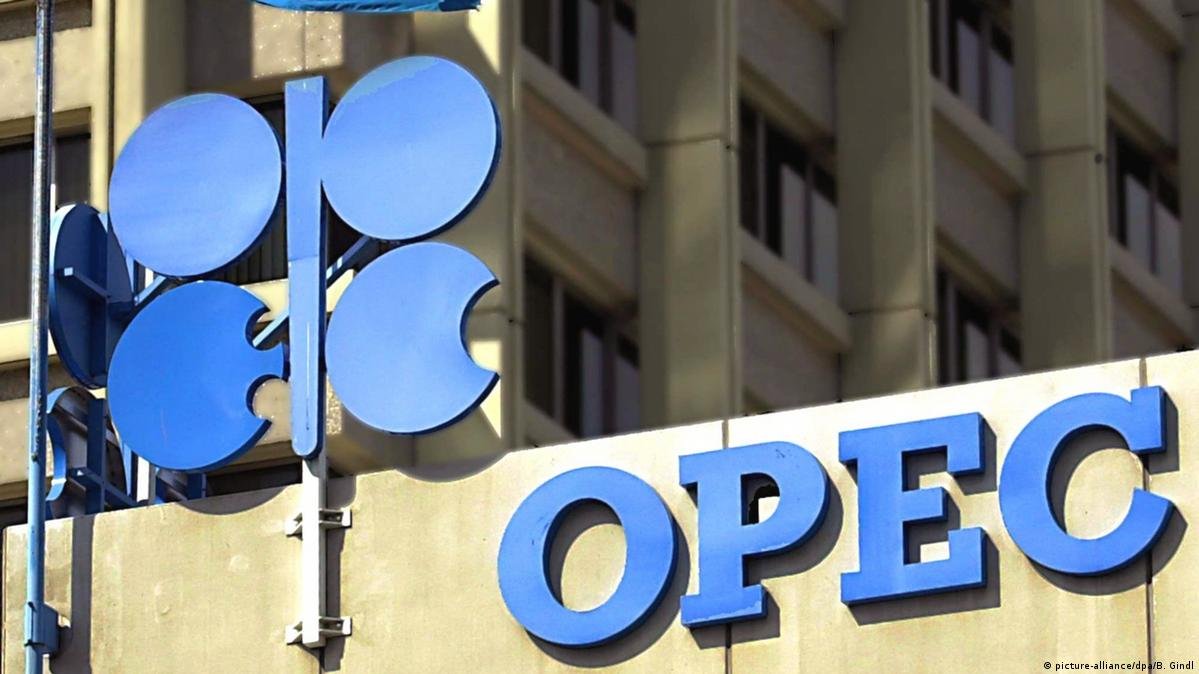
DUBAI: The United Arab Emirates has announced it will leave OPEC effective May 1, a move that removes one of the group’s largest and most flexible producers and underscores growing fractures within the oil cartel at a time of heightened geopolitical instability.
The decision, confirmed via the state-run WAM news agency, reflects Abu Dhabi’s push for greater control over its production strategy after years of tension over OPEC quotas that limited its ability to fully utilize expanded capacity. Having invested heavily in boosting output potential to around 5 million barrels per day, the UAE had increasingly found collective production limits misaligned with its economic ambitions.
While officials framed the exit as part of a long-term strategic and economic vision, the implications extend well beyond national policy. OPEC, which accounts for roughly 40% of global oil supply, loses not only volume but also one of its few members capable of rapidly increasing production. Analysts warn that this will further weaken the group’s ability to stabilize markets already under strain.
The timing is particularly significant. Global oil supplies remain constrained by the ongoing war in Iran, which has effectively shut down the Strait of Hormuz, a critical chokepoint through which about one-fifth of the world’s oil flows. Prices have surged in response, with Brent crude trading above $111 per barrel, reflecting both supply shortages and geopolitical risk.
In such conditions, OPEC has historically played a stabilizing role. However, the UAE’s departure highlights a broader shift away from coordinated supply management toward more fragmented, nationally driven strategies. The move follows Qatar’s earlier exit in 2019 and signals a continued loosening of ties within the organization.
Regional dynamics also appear to be a contributing factor. Relations between the UAE and Saudi Arabia, OPEC’s de facto leader, have grown increasingly strained in recent years. Differences over production policy, economic competition, and regional security issues have complicated what was once a closely aligned partnership. Although UAE Energy Minister Suhail al-Mazrouei emphasized that the decision was not directed at Saudi Arabia, the geopolitical backdrop suggests a more complex reality.
The exit also affects the broader OPEC+ framework, which includes non-OPEC producers such as Russia. The UAE confirmed it will leave this grouping as well, potentially reducing the alliance’s capacity to coordinate output adjustments in response to market shifts.
Despite its participation in global climate initiatives, including hosting the COP28 summit, the UAE continues to prioritize expansion of its oil production capabilities. This reflects a wider trend among major producers, who are balancing energy transition commitments with the continued importance of hydrocarbons in meeting global demand.
Market reaction to the announcement has been measured so far, largely because existing supply disruptions are already dominating price movements. However, analysts caution that the long-term impact could be more significant, as reduced cohesion within OPEC may lead to increased volatility and diminished ability to manage future shocks.
The UAE’s departure marks a notable moment in the evolution of global energy politics, pointing toward a more competitive and less coordinated oil market. As major producers increasingly pursue independent strategies, the influence of traditional institutions like OPEC appears set to decline, reshaping how supply, pricing, and energy security are managed in the years ahead.
-David GAMBRELL