




HOUSTON: The United States is on the verge of a historic energy milestone, moving close to becoming a net crude oil exporter for the first time since World War II. This shift is not the result of gradual policy evolution, but rather the direct consequence of a sudden geopolitical shock: the ongoing war involving Iran, which has severely disrupted global oil supply chains.
At the center of the crisis is the Strait of Hormuz, one of the world’s most critical energy transit routes. Iranian threats to shipping have effectively reduced the flow of oil and gas through this narrow passage, impacting nearly one-fifth of global supply. The disruption has forced major energy-importing regions, particularly in Europe and Asia, to urgently seek alternative sources of crude.
In this vacuum, the United States has emerged as a key supplier. As the world’s largest oil producer, it has rapidly increased exports to meet global demand. Recent data shows that U.S. crude exports rose to 5.2 million barrels per day, while net imports dropped to just 66,000 barrels per day, the lowest level recorded in more than two decades. This narrowing gap between imports and exports highlights how close the country is to flipping into net exporter status, a position it last held in 1943.
However, this transformation is not without complications. Despite rising exports, the United States continues to import significant volumes of crude oil. This is largely due to structural constraints within its refining system, which is designed to process heavier, sour crude, whereas domestic production primarily consists of lighter, sweeter grades. As a result, imports remain necessary even as exports surge.
Global pricing dynamics have further accelerated the shift toward U.S. crude. The premium of Brent crude over West Texas Intermediate widened sharply during the crisis, making American oil more attractive to buyers in distant markets. Even after accounting for higher transportation costs, refiners in Europe and Asia have found U.S. crude economically viable. This has led to a significant redistribution of trade flows, with nearly half of U.S. exports heading to Europe and a growing share moving toward Asia.
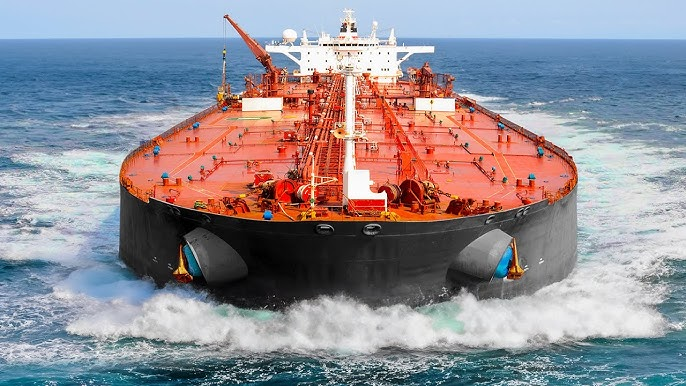
Yet, the surge in exports is beginning to test the limits of U.S. infrastructure. Analysts warn that the country is approaching its maximum export capacity, estimated at around 6 million barrels per day. Constraints in pipeline networks and tanker availability are emerging as key bottlenecks. Shipping, in particular, is becoming increasingly strained, with rising freight costs and limited vessel supply adding pressure to the system.
There are potential short-term measures that could extend export capacity, such as releasing additional crude from the Strategic Petroleum Reserve. However, these steps offer only temporary relief and do not address the underlying logistical challenges.
The broader implication of this development is a shift in the global energy balance. The United States is no longer just a major producer; it is increasingly acting as a stabilizing force in times of supply disruption. At the same time, the situation underscores the fragility of global energy networks, where chokepoints like the Strait of Hormuz can have far-reaching consequences.
Whether the United States ultimately becomes a sustained net exporter will depend on how long the current geopolitical tensions persist and whether infrastructure constraints can be addressed. For now, the country stands at a pivotal moment, shaped as much by external conflict as by its own production strength.
– Liz McCartney
READ THE FULL E-MAGAZINE | WorldAffairs: For Decision-Makers Who Need More Than Headlines