

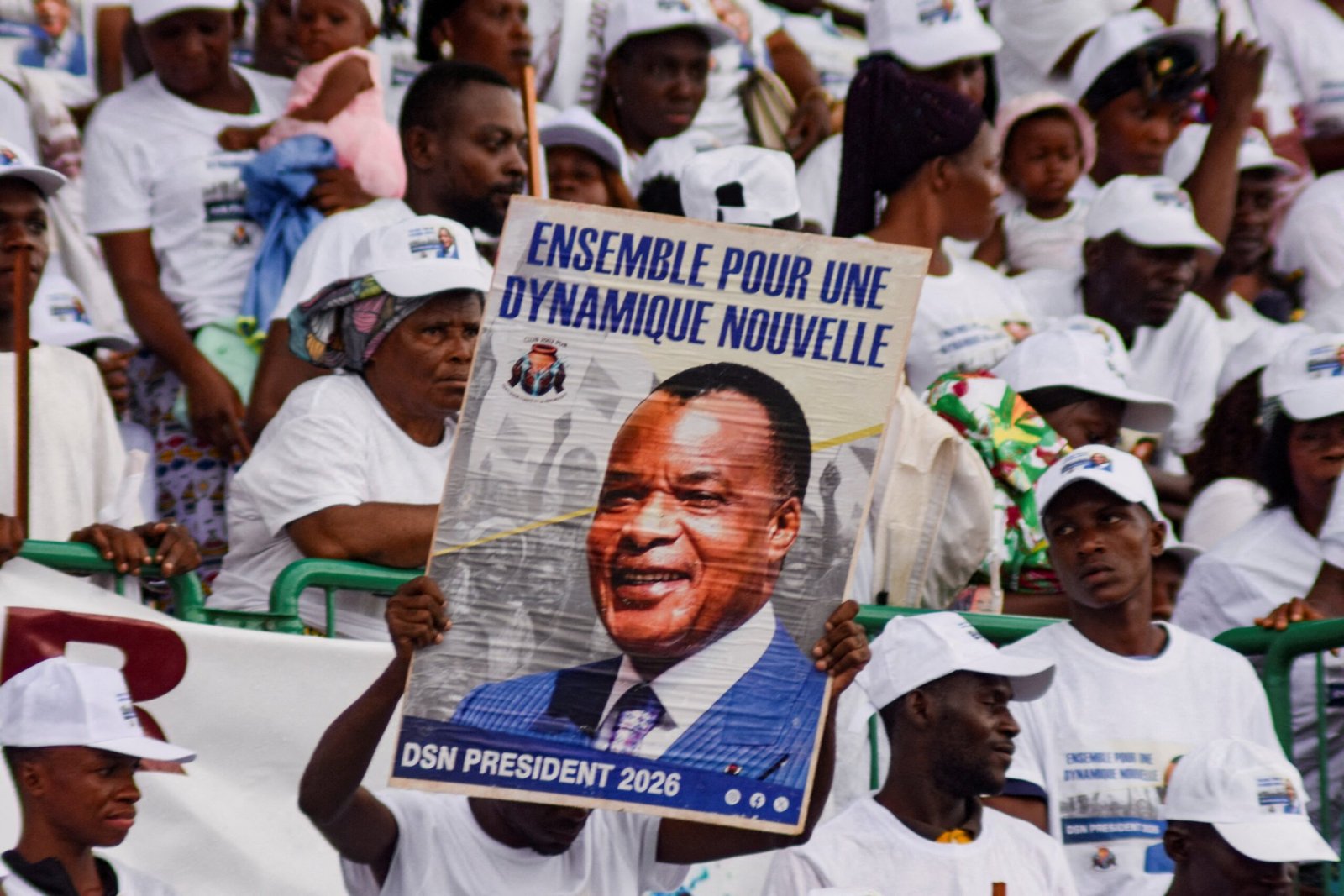
BRAZZAVILLE: Voters in the Republic of Congo headed to the polls on Sunday in a presidential election widely expected to extend President Denis Sassou Nguesso’s long rule by another five years, reinforcing the dominance of a leader who has governed the oil-rich Central African nation for most of the past four decades.
Sassou Nguesso, 82, first came to power in 1979 and has remained one of Africa’s longest-serving leaders, ruling almost continuously except for a brief period out of office in the 1990s. With opposition forces divided and several prominent critics either jailed or living in exile, analysts say the outcome of the vote appears largely predictable.
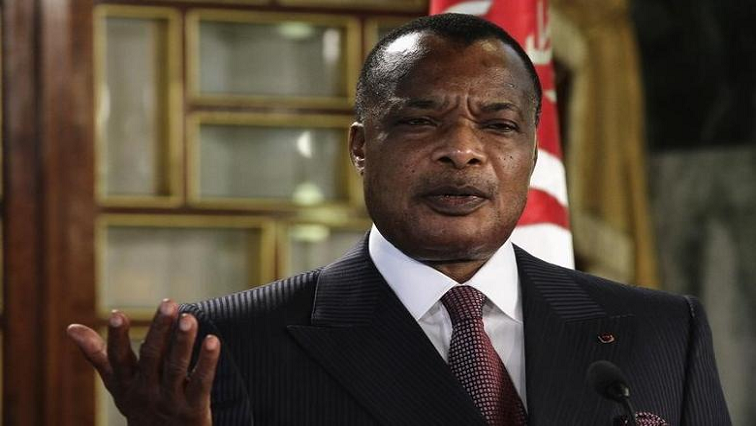
Polling stations opened at 7 a.m. local time and are scheduled to close at 6 p.m., with more than 3.2 million registered voters eligible to participate in the election. However, analysts and civil society organizations expect turnout to fall below the nearly 68 percent recorded during the last presidential election in 2021, when Sassou secured a sweeping victory with 88.4 percent of the vote. The veteran leader is facing six relatively unknown challengers, none of whom are viewed as serious contenders. Electoral institutions overseeing the vote are largely dominated by figures aligned with the ruling Congolese Labour Party, further strengthening Sassou’s position.
Political observers say the country’s opposition remains fragmented and lacks a unifying figure capable of mounting a strong national campaign.
“The opposition is divided and does not currently have a powerful or symbolic leader who can mobilize voters across the country,” said Remadji Hoinathy, a researcher with the Pretoria-based Institute for Security Studies. “Even if there is frustration among voters, it is unlikely to significantly affect Sassou’s chances.”
Several opposition groups have chosen to boycott the election entirely, arguing that the political environment and electoral process lack credibility. Two of Congo’s most recognizable opposition figures remain in prison, while others have left the country amid political tensions.
Human rights organizations say the political space in the Republic of Congo has narrowed in recent years. They point to arrests of activists, legal pressure on opposition parties, and restrictions on political organizing as evidence of increasing limitations on dissent.
The government has rejected such accusations. Prime Minister Anatole Collinet Makosso has defended the electoral process, insisting that national institutions are capable of ensuring a transparent and credible vote.
According to government officials, electoral authorities have taken steps to guarantee that polling takes place smoothly across the country and that votes are counted in accordance with the law.
Despite these assurances, many citizens say they have little expectation that the election will bring meaningful political change.
“It feels like an election whose result is already decided,” said Frédéric Nkou, an unemployed resident of the capital, Brazzaville. “People vote, but nothing really changes afterward.”
During the campaign, Sassou Nguesso has presented himself as a guarantor of stability and continuity. His platform focuses on accelerating infrastructure development, improving public services, and expanding opportunities for education and vocational training.
Supporters argue that his long political experience provides stability in a region often marked by political uncertainty. They also credit the government with stabilizing the economy after years of financial difficulties linked to falling oil prices.
The Republic of Congo’s economy is heavily dependent on petroleum exports, which account for a large share of government revenues. While fiscal conditions have improved somewhat in recent years as energy markets recovered, economic challenges remain significant.
According to the World Bank, roughly 52 percent of the country’s population of about 6.1 million people lives below the poverty line. Economic diversification has been slow, leaving the country vulnerable to fluctuations in global oil markets.
For many voters, everyday economic pressures remain the most pressing issue, including unemployment, rising living costs, and limited access to public services.
The election results are expected to be announced within 48 to 72 hours after polling stations close, according to electoral authorities.
If Sassou Nguesso secures another term as widely predicted, it would further extend one of the longest political tenures on the African continent and reinforce the enduring influence of the Congolese Labour Party in the country’s political landscape.
-Andrea Bonnerot