


TEHRAN: The ongoing conflict between Israel and Iran continued to escalate on Saturday, entering its second week with renewed strikes across the Middle East. Amid the growing violence, Iran expressed regret to neighbouring Gulf nations after several civilian sites in the region were struck during the conflict.
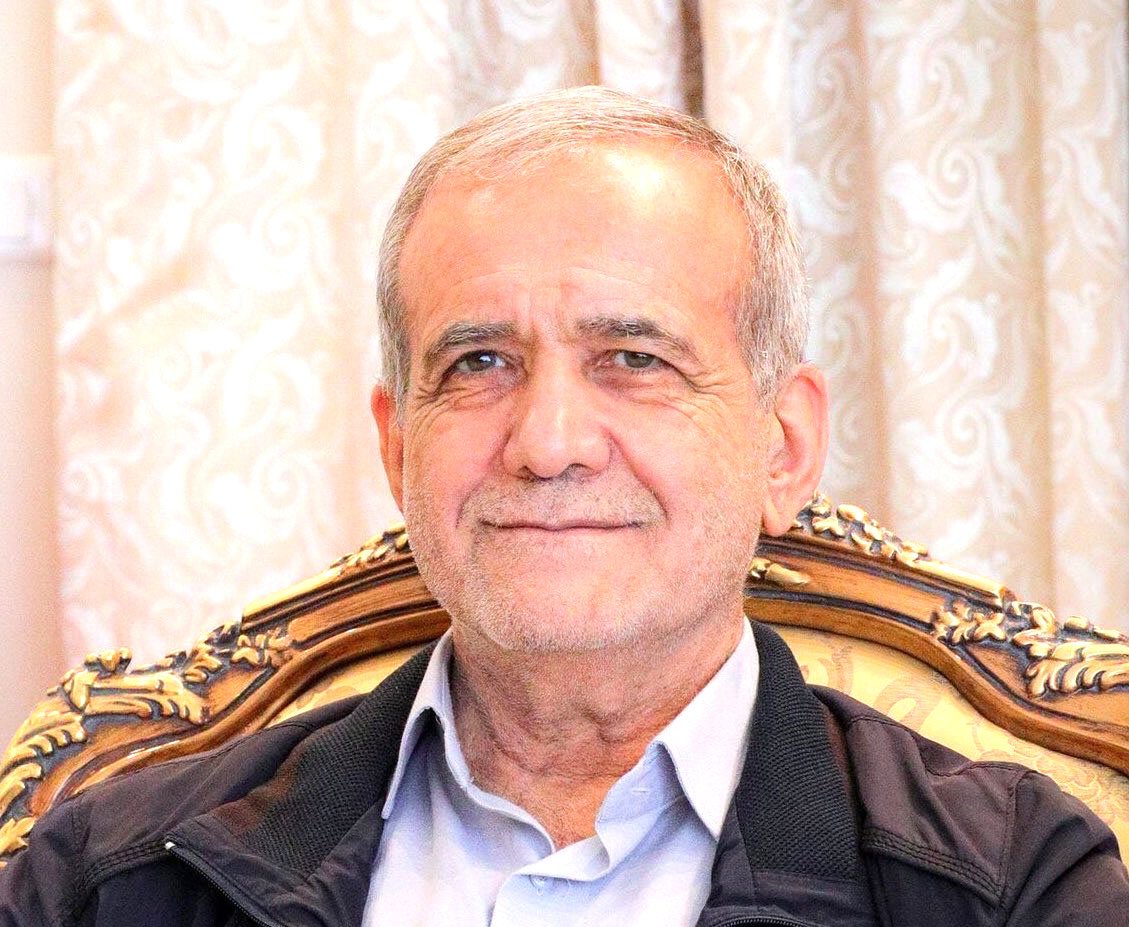
Iranian President Masoud Pezeshkian said he personally regretted that neighbouring countries were affected by Iran’s military actions and urged them not to participate in U.S.-Israeli operations against Iran.
“I personally express regret to neighbouring countries that were affected by Iran’s actions,” Pezeshkian said, adding that Iran would suspend attacks on regional states unless strikes against Iran were launched from their territories.
However, the statement stirred debate within Iran, with some hardline figures criticising the remarks as weak and inappropriate.
Iran Claims Strikes on U.S. Bases
Shortly after the president’s remarks, Iran’s Revolutionary Guards said they launched drone attacks targeting U.S. military facilities in the region, including the Al Dhafra Air Base near Abu Dhabi and another base in Bahrain. Iranian state media also reported explosions heard in Doha, according to WNN, though these claims could not be independently verified.
Iran’s judiciary chief Gholamhossein Mohseni-Ejei said the country had evidence that some regional territories were being used to launch attacks against Iran. He warned that Iran would continue striking such locations if attacks on its soil continued.
The conflict intensified following the death of Supreme Leader Ayatollah Ali Khamenei, who was reportedly killed in an airstrike earlier in the war. Since then, Iran has been governed by an interim leadership council.
Gulf Countries Voice Anger
Several Gulf nations including Saudi Arabia, the UAE, Qatar, Bahrain, Kuwait, Oman and Iraq — have reported missile or drone incidents over the past week.
Many of these countries expressed anger after civilian infrastructure such as ports, hotels and oil facilities were damaged despite their claims of neutrality.
An Emirati official said the UAE hopes the conflict does not spread further and urged Iran to reconsider its actions.
“We don’t want the war to expand. We want the Iranians to realise that attacking their neighbours will not help the situation,” the official said.
Israel Expands Attacks in Lebanon
As the conflict widened, Israel launched heavy strikes in Lebanon, targeting positions linked to the Iran-backed group Hezbollah.
Israeli officials warned Lebanon it could face a “very heavy price” if Hezbollah continued cross-border attacks.
In southern Beirut, entire neighbourhoods were reduced to rubble after intense airstrikes. According to Lebanon’s health ministry, at least 294 people have been killed in Israeli strikes since Monday.
Rising Casualties and Global Impact
Iran’s ambassador to the United Nations said more than 1,300 Iranian civilians have been killed in U.S. and Israeli attacks since the war began, with thousands more injured.
Iranian missile and drone attacks have killed 10 people in Israel, while six U.S. service members have also died during the conflict.
The war has also shaken global markets. Oil prices surged to multi-year highs after the Strait of Hormuz, a critical shipping route for global energy supplies, was effectively shut.
Around 20% of the world’s oil supply passes through the strait, raising concerns about wider economic disruption.
Trump Issues Warning
U.S. President Donald Trump said American forces had destroyed 42 Iranian naval vessels in three days, warning that Iran could face stronger attacks if tensions continued to escalate.
He also repeated his controversial demand that the United States should have a role in choosing Iran’s next supreme leader, a suggestion strongly rejected by Iranian officials, who insist the decision will be made without foreign interference.
With missile strikes continuing across multiple countries, regional leaders fear the conflict could grow into a wider Middle East war unless diplomatic efforts intervene soon.
-Alex Gebeily
READ THE FULL E-MAGAZINE | WorldAffairs: For Decision-Makers Who Need More Than Headlines