


WASHINGTON: In a sharp policy reversal, U.S. President Donald Trump on Friday lifted tariffs on more than 200 imported food items including everyday staples such as coffee, beef, bananas and orange juice amid intensifying public frustration over soaring grocery bills.
The exemptions, applied retroactively from midnight Thursday, mark Trump’s clearest admission yet that his sweeping import duties may be contributing to rising prices. Throughout the year, the president had repeatedly dismissed concerns that his tariff regime was fueling inflation.
Asked aboard Air Force One whether tariffs were pushing up costs, Trump conceded, “They may in some cases,” while maintaining that the U.S. still has “virtually no inflation.”
Political Pressure and New “Tariff Dividend” Plan
The rollback comes after Democrats notched a series of victories in state and local elections in Virginia, New Jersey and New York City, where voter anxiety over affordability particularly food prices dominated the campaign narrative.

Trump also told reporters he plans to move forward with a $2,000 “tariff dividend” payment to low- and middle-income Americans next year, funded entirely by tariff revenues. “The tariffs allow us to give a dividend… Now we’re going to do a dividend and we’re also reducing debt,” he said.
New Trade Deals and a Wide List of Exemptions
The administration said the decision followed multiple “reciprocal” trade frameworks reached this week with Argentina, Ecuador, Guatemala and El Salvador. U.S. officials are eyeing additional agreements before the end of the year.
Friday’s exemption list spans more than 200 products that have seen steep price spikes from oranges and cocoa to fertilizers, food-processing chemicals, paprika and even communion wafers. Many of the newly exempted items are not produced domestically, the White House said.
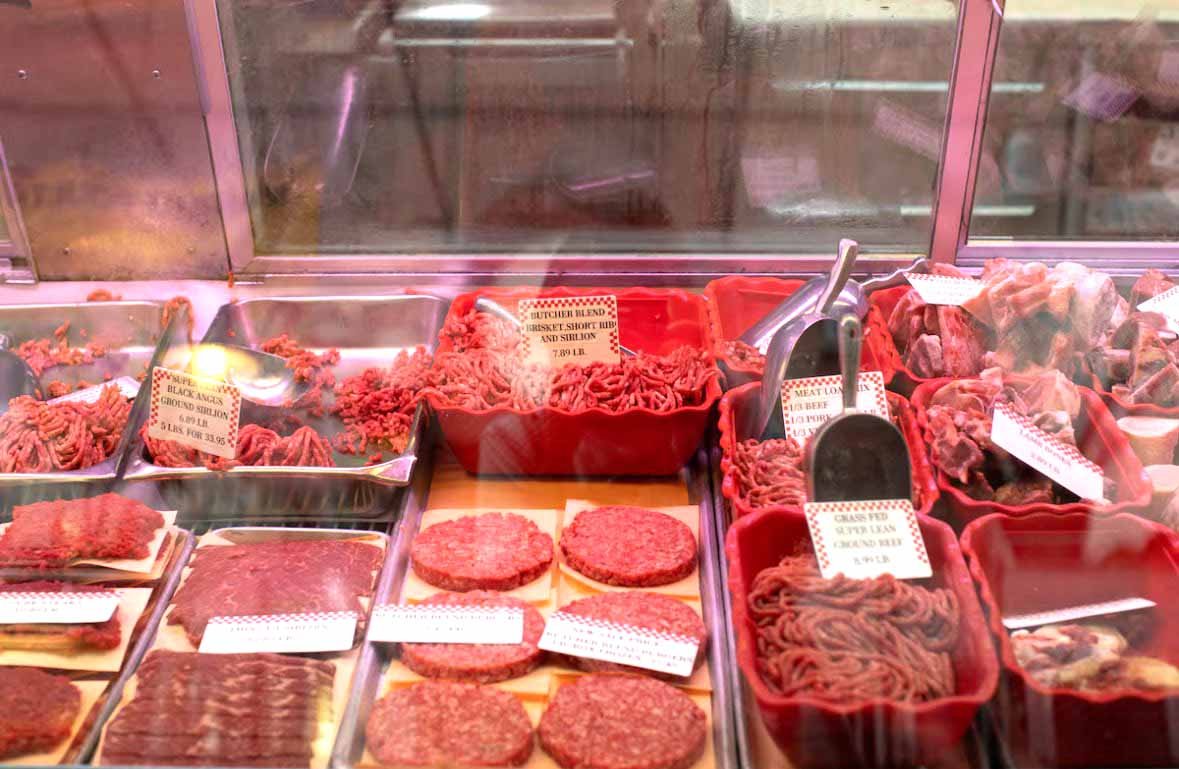
Beef prices have surged particularly sharply: ground beef was nearly 13% more expensive, and steaks nearly 17% higher in September compared with a year earlier the biggest jump in more than three years. A national cattle shortage has kept prices elevated despite the U.S. being a major beef producer.
Bananas were 7% more expensive, tomatoes 1% higher, and overall “food at home” prices rose 2.7% year-over-year.
Industry Reaction: Praise and Frustration
The tariff relief drew applause from food industry groups.
“This should help consumers, whose morning cup of coffee will hopefully become more affordable,” said FMI Food Industry Association president Leslie Sarasin.
But alcohol producers slammed the continued duties on European and British spirits. Distilled Spirits Council chief Chris Swonger called the decision “yet another blow” during the critical holiday sales period, noting that Scotch, Cognac and Irish whiskey cannot be produced in the United States.
A “Rollback,” Not a Pivot, Trump Says
Pressed on whether more changes were coming, Trump replied, “I don’t think it’ll be necessary… We just did a little bit of a rollback.”
“The prices of coffee were a little bit high, now they’ll be on the low side in a very short period,” he said.
Affordability Becomes Central to Trump’s Messaging
Trump has disrupted global trade norms with a universal 10% baseline tariff on all imports, supplemented by additional duties that vary across states. Despite growing evidence that these policies have contributed to higher domestic prices, Trump has instead blamed inflationary pressures on his predecessor, Joe Biden.
Economists warn that consumer costs could climb further next year as companies fully absorb tariff impacts and adjust pricing.
Top House Democrat Richard Neal criticized the move as political damage control. “The administration is putting out a fire they started and claiming it as progress,” he said, adding that the tariffs have pushed inflation higher and weakened manufacturing.
– Andrea Lawder