


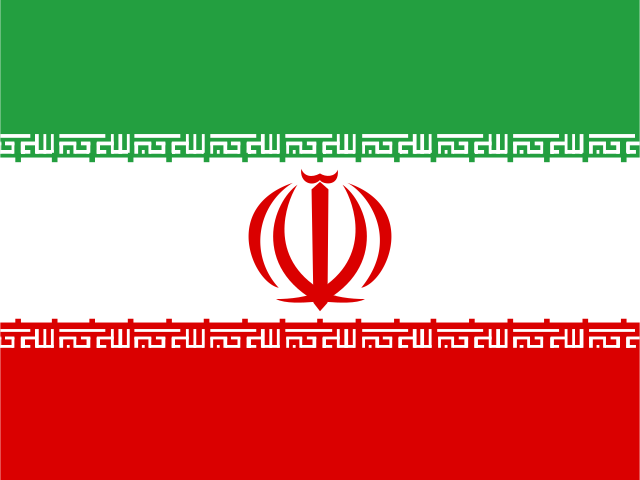
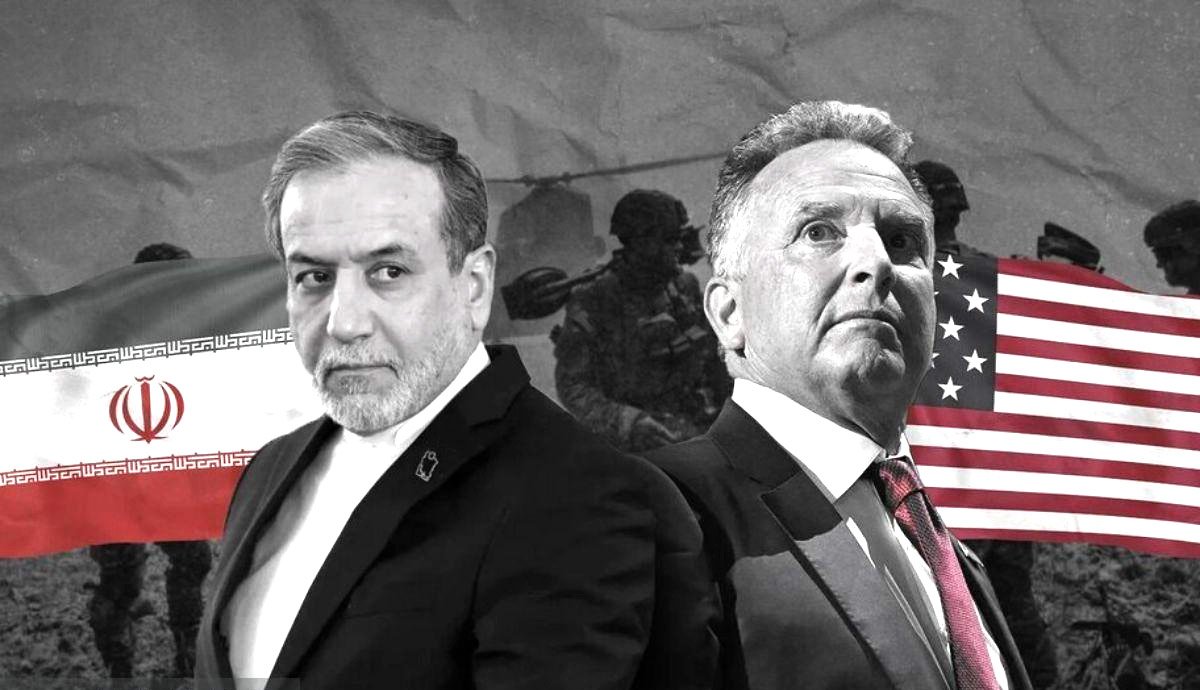
GENEVA: The United States and Iran will hold a fresh round of negotiations over Tehran’s nuclear program in Geneva this week, Swiss officials confirmed, as diplomatic efforts resume under the shadow of rising regional tensions and military pressure.
Switzerland’s Foreign Ministry said the upcoming talks will follow the first round of indirect discussions held earlier this month and will again involve mediation support from Oman. The negotiations are expected to take place in Geneva, long considered a neutral venue for sensitive diplomacy between Washington and Tehran.
U.S. President Donald Trump has warned Iran that failure to reach an agreement with his administration could result in severe consequences, reiterating that military options remain on the table if Tehran refuses to curb its nuclear program. Trump also confirmed that the USS Gerald R. Ford, the world’s largest aircraft carrier, is being moved toward the Middle East to reinforce U.S. forces already deployed in the region.
The renewed diplomatic push follows last year’s failed negotiations that collapsed in June amid a brief but intense conflict between Israel and Iran, during which U.S. forces struck Iranian nuclear facilities. Gulf Arab states have since cautioned that any new confrontation could spiral into a wider regional war.
The upcoming talks will again be indirect, with Iranian Foreign Minister Abbas Araghchi and U.S. Middle East envoy Steve Witkoff leading their respective delegations. A senior U.S. military commander from the region also attended the first round earlier this month, highlighting the security dimension of the negotiations.
Washington has maintained that Iran must halt all uranium enrichment under any future deal — a demand Tehran has rejected. Iranian officials insist their nuclear program is peaceful and say the country will not surrender its right to enrichment. However, Western powers remain concerned about Iran’s expanding nuclear capabilities.
Before last year’s conflict, Iran had enriched uranium to 60% purity, close to weapons-grade levels, intensifying fears about its potential to develop a nuclear weapon. Iranian President Masoud Pezeshkian has said Tehran is ready for international verification of its nuclear activities, but the International Atomic Energy Agency has been unable for months to fully inspect and verify Iran’s stockpile, leaving significant uncertainty.
Israel has also sought a broader agreement. Prime Minister Benjamin Netanyahu, who recently met Trump in Washington, has urged the U.S. to ensure any deal includes curbs on Iran’s ballistic missile program and an end to support for regional armed groups. Tehran has insisted the negotiations must remain limited to nuclear issues.
With both sides entrenched in their positions and regional tensions running high, the Geneva talks are seen as a critical test of whether diplomacy can prevent another major conflict and revive efforts to restrain Iran’s nuclear ambitions, WorldAffairs reported.
– WNN Desk