

“Manila Declaration Emphasises Multilateralism, Maritime Security, Economic Resilience and Digital Cooperation Amid Rising Geopolitical Tensions“
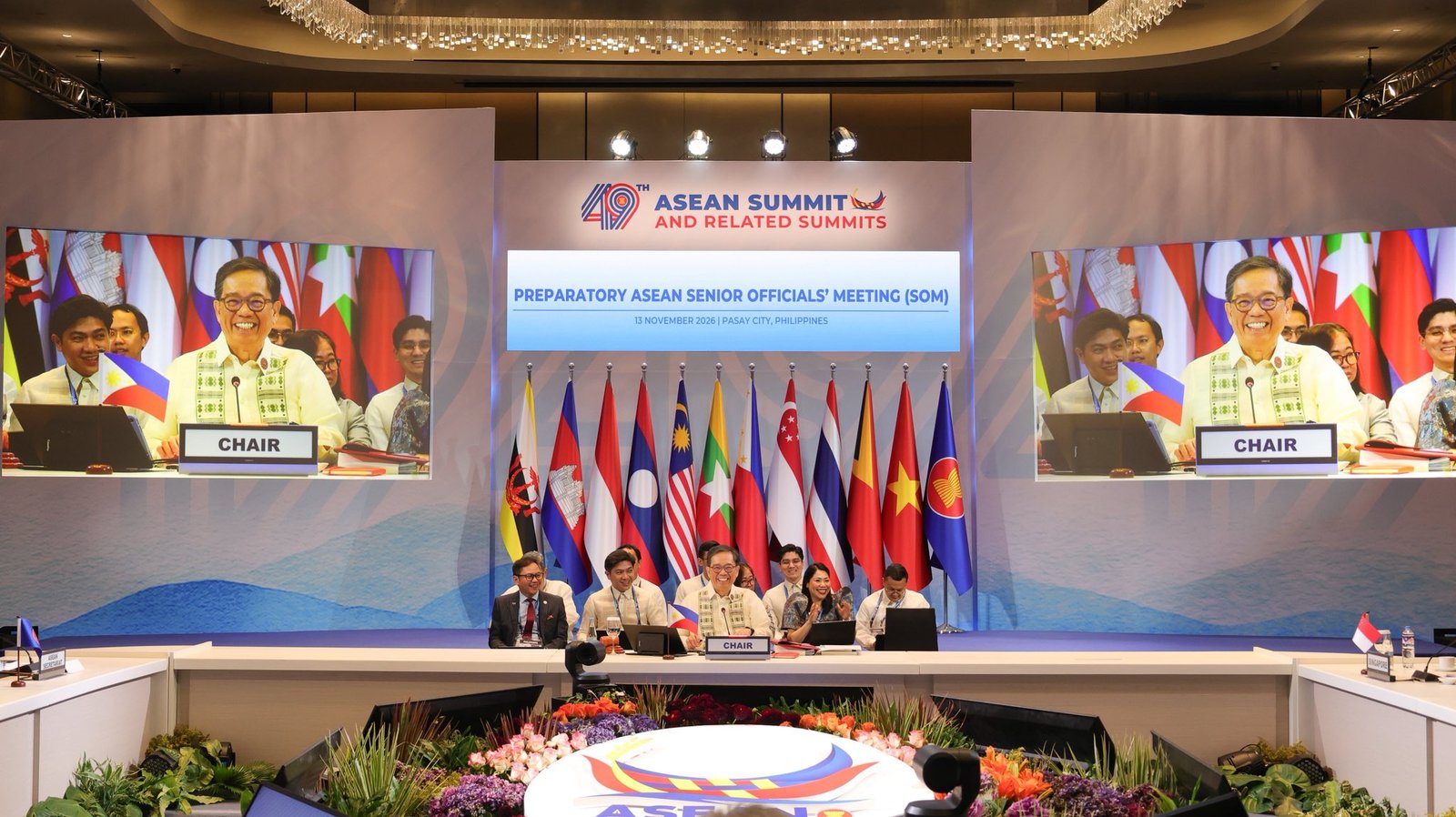
MANILA, Philippines: The 21st East Asia Summit (EAS), held in Manila, Philippines, on November 17, 2026, adopted a declaration calling for stronger regional cooperation, renewed diplomatic engagement and collective action to safeguard peace, stability and economic prosperity amid an increasingly complex geopolitical environment. Titled “Navigating Our Future, Together: Stability and Renewal,” the declaration reaffirmed ASEAN’s central role in shaping the regional architecture and emphasised the importance of multilateralism, international law and peaceful resolution of disputes.
The participating countries recognised that rising geopolitical tensions, regional conflicts, economic uncertainties and emerging transboundary security challenges require coordinated responses and sustained dialogue. They reiterated their commitment to the principles of the United Nations Charter, the ASEAN Charter and the Treaty of Amity and Cooperation in Southeast Asia.
A central theme of the declaration was strengthening ASEAN unity and centrality within ASEAN-led mechanisms, with the East Asia Summit recognised as a key platform for addressing strategic, political and economic issues. Leaders underscored ASEAN’s growing international relevance and its ability to bring regional and global partners together through dialogue and diplomacy.
On regional security, the declaration called for respect for international law, peaceful settlement of disputes and responsible state behaviour. It also emphasised maritime stability, freedom of navigation and overflight, lawful maritime commerce and adherence to the 1982 United Nations Convention on the Law of the Sea (UNCLOS).
Economic resilience emerged as another major priority. The participating countries committed to strengthening trade and investment, maintaining open trade corridors, securing supply chains and ensuring uninterrupted flows of essential goods and energy supplies. Cooperation on critical minerals, infrastructure development and regional connectivity was also highlighted.
The declaration further called for enhanced transport connectivity across air, land and maritime networks, alongside greater energy interconnectivity through initiatives such as the ASEAN Power Grid. It stressed the need for resilient infrastructure and stronger coordination among regional connectivity programmes.
Digital transformation, artificial intelligence and technological innovation also featured prominently. Leaders called for greater cooperation in AI governance, workforce development, digital literacy and cross-border data flows, while promoting a safe and secure digital environment. They also highlighted the need to combat online scams, human trafficking, online exploitation and cyber-related threats.
Energy security, food security, healthcare, agriculture, finance and environmental protection were identified as interconnected areas requiring stronger regional collaboration. The declaration encouraged technology partnerships, energy financing, capacity-building and market-based investments to support long-term economic stability.
Addressing social and developmental priorities, the participating countries pledged support for narrowing development gaps within ASEAN, strengthening the welfare and skills mobility of migrant workers, eradicating poverty and empowering vulnerable communities. Disaster preparedness, climate resilience, environmental protection and multi-hazard early warning systems were also included in the cooperation agenda.
The declaration endorsed action-oriented implementation of the East Asia Summit Plan of Action (2024–2028), underlining the importance of translating diplomatic commitments into practical outcomes.
Adopted in Manila on November 17, 2026, the declaration reflects a shared recognition that regional stability and prosperity will increasingly depend on collective leadership, economic interdependence, strategic dialogue and respect for international law.
At a time when global power dynamics are shifting and regional security challenges are becoming more complex, the summit reaffirmed ASEAN’s ambition to remain at the centre of an inclusive, rules-based and cooperative Indo-Pacific regional order.
⁃ Martin Stanway