


MADRID- Spain and Greece are moving toward banning teenagers from using social media, reflecting a growing European push to rein in technology platforms accused of fostering addiction and exposing children to harmful online content.
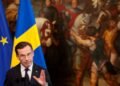
Spanish Prime Minister Pedro Sánchez announced that his government plans to prohibit access to social media for children under the age of 16, calling current online platforms unsafe for young users. Greece is expected to introduce a similar ban for children under 15 in the coming days, according to senior officials familiar with the proposal.
The initiatives place both countries at the forefront of a wider European debate over children’s digital safety. France is already advancing legislation to restrict social media access for minors under 15, while Britain is considering comparable measures and monitoring the impact of Australia’s recent under-16 ban, the first of its kind globally.
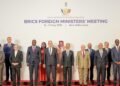
European governments have increasingly raised concerns over the effects of excessive screen time on children’s mental health, attention spans, and social development. Addressing global leaders in Dubai, Sánchez warned that children are being left to navigate digital spaces never designed with their safety in mind, pledging stronger state intervention to protect them.
Beyond age-based restrictions, Spain is preparing a sweeping legislative package aimed at holding social media companies and their senior executives directly accountable for illegal content and online hate speech. The proposed law would criminalise algorithmic manipulation that amplifies unlawful material and require platforms to adopt strict, verifiable age-verification systems rather than self-declared checkboxes.
Spain is also helping form a group of European states committed to coordinated digital regulation, informally described by Sánchez as a “Coalition of the Digitally Willing.” The group is expected to focus on cross-border enforcement challenges posed by global technology companies.
The debate has intensified amid a surge in AI-generated content online. Recent controversies involving artificial intelligence systems producing non-consensual sexual images, including of minors, have alarmed regulators and parents alike. Spanish authorities have indicated they are examining potential legal violations linked to AI tools and major social media platforms.
At the European level, the Digital Services Act in force since 2024 already obliges platforms to remove illegal content and assess systemic risks. However, critics argue that tighter national laws could raise questions about censorship and free expression.
Spain’s proposed ban would be implemented through amendments to existing legislation on digital protection for minors currently under parliamentary review. Public support for stricter rules appears strong. A recent multinational survey found that more than four-fifths of Spaniards support banning children under 14 from social media use, a figure that has risen sharply in recent years.
Supporters argue that restrictions could encourage healthier social interaction among young people. Others, including opposition politicians, warn that government regulation risks overreach and could be used to control online narratives or suppress dissent.
Australia’s experience has added weight to the debate. Following its under-16 social media ban, millions of teenage accounts were reportedly deactivated within weeks, demonstrating the potentially sweeping impact of such policies.
As Europe weighs the balance between child protection, free expression, and digital innovation, the moves by Spain and Greece signal a clear shift toward tougher oversight of the online spaces shaping the next generation.
-Hugh Holmes
–