



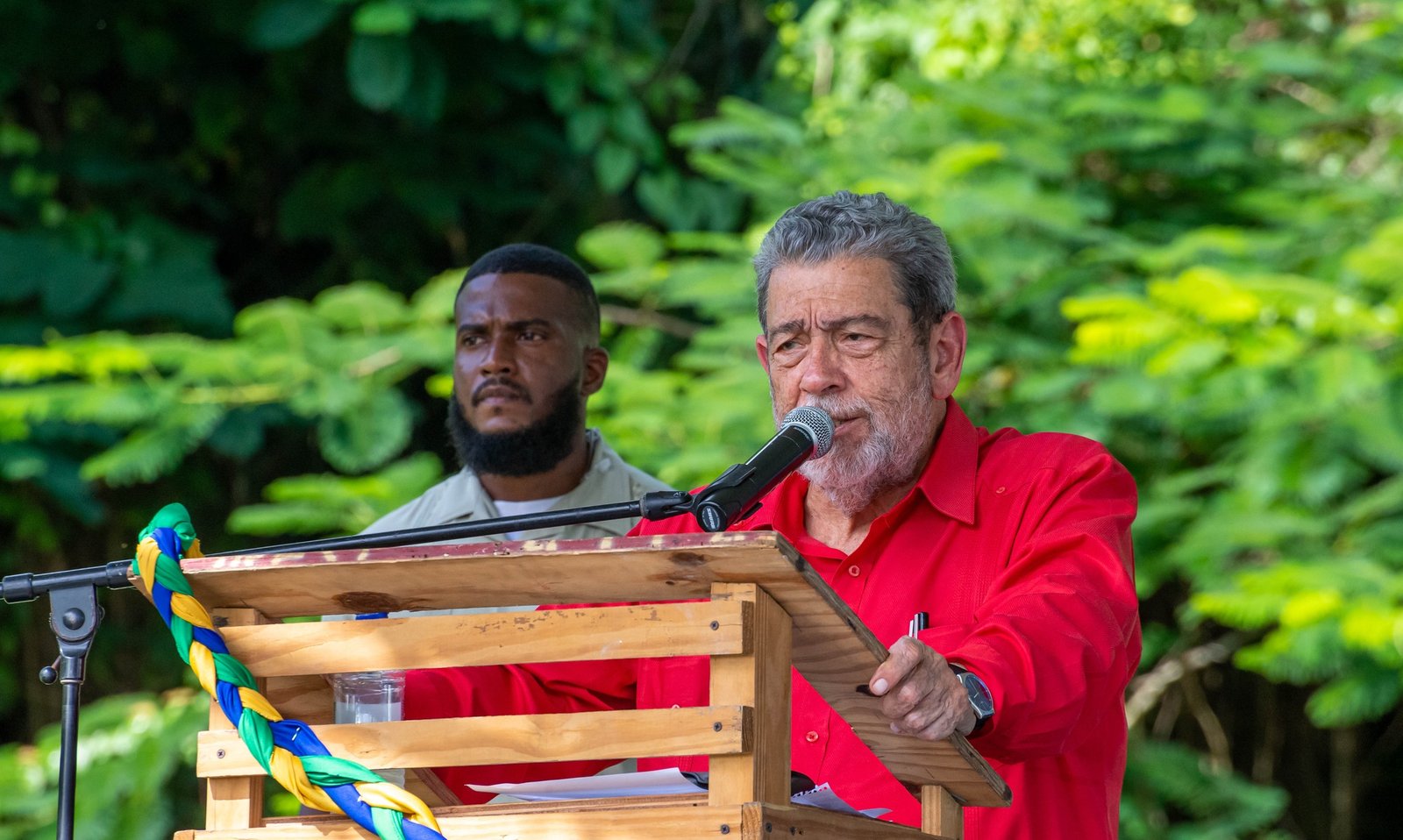
KINGSTOWN: Voters in Saint Vincent and the Grenadines are casting ballots Thursday in a pivotal general election that could mark an unprecedented milestone, granting Prime Minister Ralph Gonsalves and his ruling Unity Labour Party a sixth consecutive five-year mandate. At 79 years old, Gonsalves stands as one of the world’s longest-serving democratically elected leaders, having shaped Caribbean politics for nearly a quarter-century since taking office in 2001.
The election features 32 candidates overall, though political analysts recognize the race will predominantly center on the ruling ULP and the opposition New Democratic Party led by Godwin Friday. This marks Friday’s second attempt to challenge Gonsalves after an unsuccessful 2020 campaign, with the NDP leader proposing significant policy shifts that have drawn sharp opposition from the incumbent government.
Friday has outlined a platform that includes implementing a citizenship-by-investment program to boost national revenue and severing diplomatic ties with Taiwan, a relationship Saint Vincent has maintained since 1981, in favor of establishing closer relations with mainland China. The ULP government has consistently opposed these initiatives, viewing them as economically and diplomatically problematic for the multi-island Caribbean nation.
Analysis from Canada-based consulting firm Dunn Pierre Barnett and Company, published November 12, projects strong odds favoring the incumbent government, with the ULP holding a 64% probability of retaining power. This forecast suggests a likely continuation of Gonsalves’ leadership, though it leaves room for potential surprises, with approximately one-third of the probability favoring an opposition victory.
Should Gonsalves prevail, the ULP will have governed Saint Vincent and the Grenadines for 30 consecutive years across six elected terms, an achievement rarely matched in the Caribbean’s modern political history. The fundamental divide between the two parties centers on Saint Vincent’s international positioning and economic strategy, with the NDP’s proposed pivot toward China representing a significant geopolitical realignment from current foreign policy approaches.
-Robert Henry