



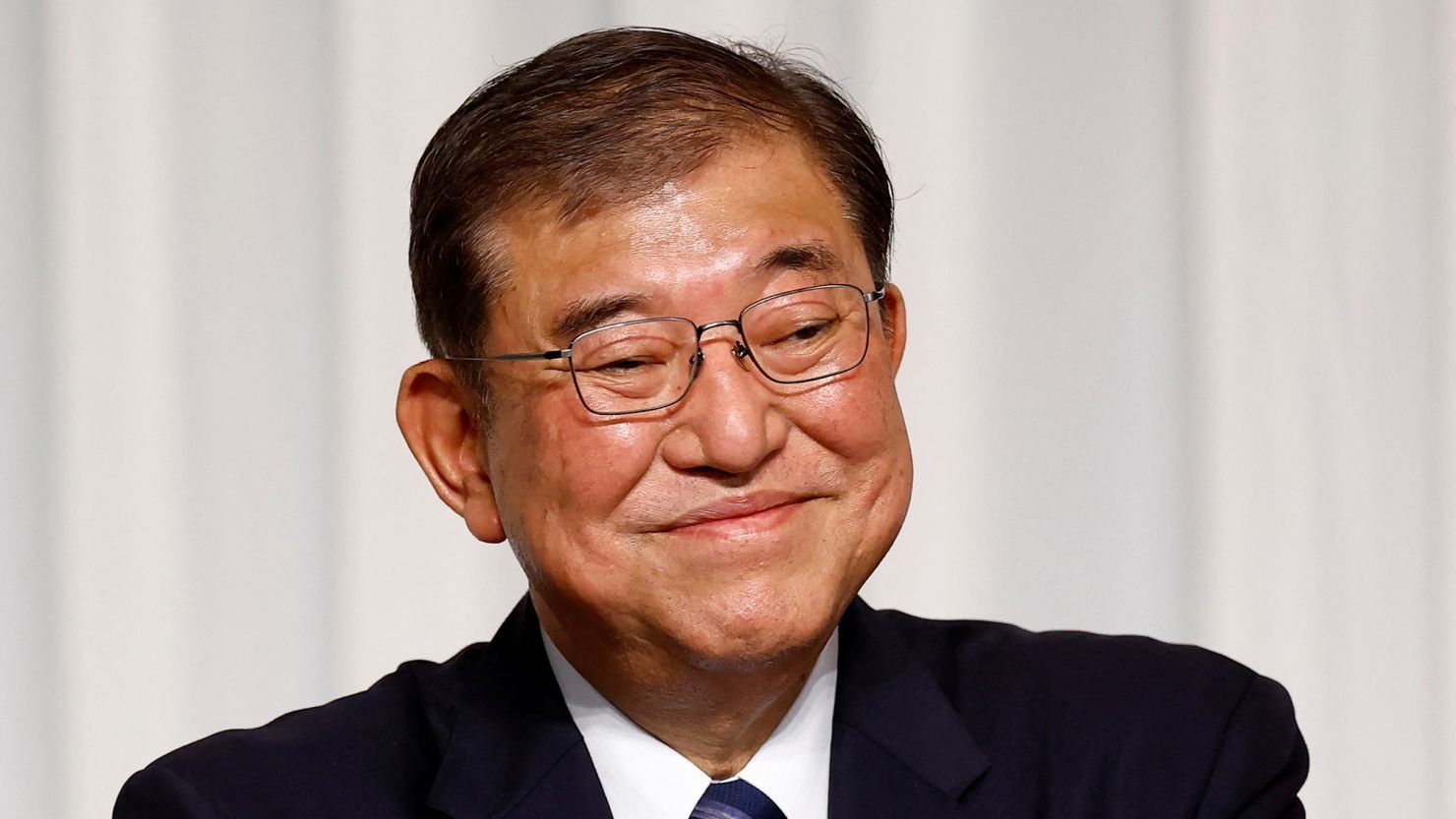
TOKYO (WNN): Japanese Prime Minister Shigeru Ishiba announced his resignation on Sunday after a string of election defeats, a move that ushers in a period of political uncertainty for the world’s fourth-largest economy.
Ishiba, 68, told a press conference that he had instructed the ruling Liberal Democratic Party (LDP) to hold an emergency leadership race, while pledging to continue his duties until a successor is chosen.
The veteran politician had been in power for less than a year, but voter frustration over rising living costs saw his coalition lose its majorities in both houses of parliament. Until Sunday, Ishiba had resisted calls to resign, instead focusing on sealing a U.S. trade deal to ease President Donald Trump’s tariffs on Japan’s auto sector.
“With Japan having signed the trade agreement and the president having signed the executive order, we have passed a key hurdle. I would like to pass the baton to the next generation,” Ishiba said, his voice heavy with emotion.
The news rattled markets, triggering a sell-off in the yen and Japanese government bonds last week, with 30-year bond yields hitting a record high. The LDP’s decision to hold a vote on Monday over whether to call an extraordinary leadership election only deepened speculation over Ishiba’s fate.
Koizumi, Takaichi Emerge as Front-Runners
Potential successors include Shinjiro Koizumi, the popular farm minister seen as a stabilising figure, and veteran Sanae Takaichi, who has advocated looser fiscal and monetary policies while criticising the Bank of Japan’s recent rate hikes.
Analyst Kazutaka Maeda of Meiji Yasuda Research Institute said Ishiba’s departure had become unavoidable: “Given the political pressure mounting on Ishiba after the LDP’s repeated election losses, his resignation was inevitable. Koizumi and Takaichi are the most likely candidates, but financial markets will closely watch Takaichi’s expansionary fiscal stance and her opposition to aggressive rate hikes.”
With the LDP lacking a majority in both houses, the party faces an uphill task in ensuring its next leader secures the premiership. Analysts suggest the incoming prime minister may be forced to call an early election to regain a mandate, though a Kyodo poll shows 55% of voters see no need for immediate polls.
Meanwhile, Japan’s fractured opposition has struggled to mount a serious challenge. The far-right Sanseito party, however, gained momentum in July’s upper house elections, pushing anti-immigration rhetoric further into the mainstream.
Ishiba’s final act as leader was to conclude a trade pact with Washington, under which Tokyo pledged $550 billion in investments in exchange for tariff relief on exports to the U.S.
– Yuka Kihara
WATCH, LIKE and SUBSCRIBE CHANNEL FOR MORE GLOBAL NEWS