



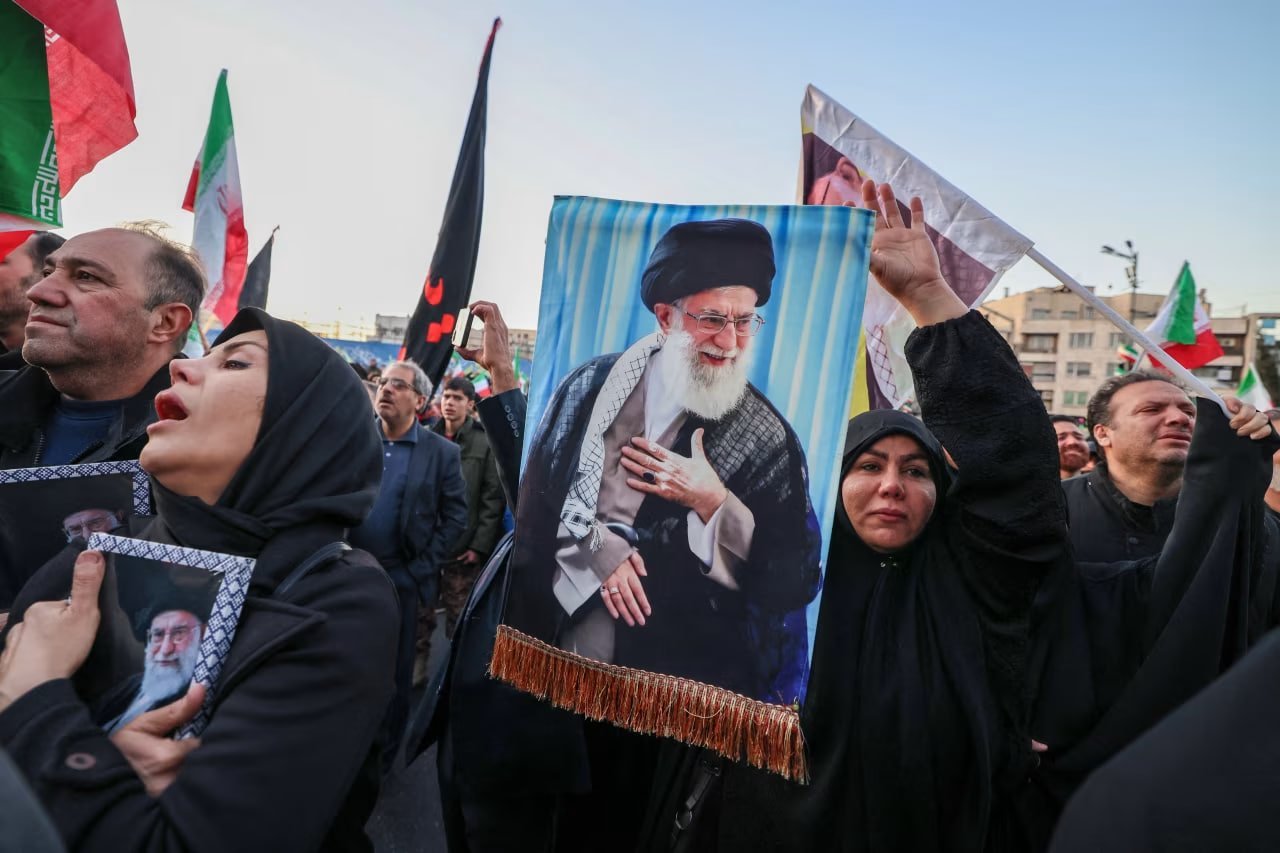
NEW YORK/ WASHINGTON: U.S. intelligence assessments indicate that Iran’s leadership remains largely intact and is not at imminent risk of collapse, even after nearly two weeks of sustained U.S. and Israeli military operations, according to multiple sources familiar with the matter.
A variety of intelligence reports suggest a “consistent analysis” that Iran’s regime continues to hold sway over the population and is not showing signs of imminent collapse, one source said. All sources spoke on condition of anonymity due to the sensitivity of the information.
“The latest reports, completed just days ago, confirm the Iranian leadership’s resilience despite ongoing attacks,” the source added.
Growing Political Pressure
Amid rising oil prices and international scrutiny, President Donald Trump has hinted at winding down the U.S.’s most extensive military operation since 2003. However, negotiating a strategic end may prove challenging if hardline leaders in Tehran remain firmly in control.
U.S. intelligence emphasizes the cohesion of Iran’s clerical leadership even after the death of Supreme Leader Ayatollah Ali Khamenei on February 28, coinciding with the start of the U.S.-Israeli strikes.
A senior Israeli official also acknowledged in private discussions with WNN that the military campaign does not guarantee the fall of Iran’s clerical government.
“The situation on the ground is dynamic, and internal Iranian politics could shift rapidly,” one source noted.
Both the Office of the Director of National Intelligence and the CIA declined to comment, while the White House had not responded to requests for immediate comment.
U.S. and Israeli Military Strategy
Since the launch of operations, the U.S. and Israel have targeted air defense systems, nuclear facilities, and senior officials. Initially, President Trump encouraged Iranians to “take control of your government,” although administration aides later clarified that regime change was not an official objective.
The strikes have resulted in the deaths of dozens of senior officials, including high-ranking commanders in the Islamic Revolutionary Guard Corps (IRGC), an elite paramilitary organization influential across Iran’s economy. Despite this, U.S. intelligence reports indicate that the IRGC and interim leaders have maintained control.
The Assembly of Experts, a council of senior Shiite clerics, recently appointed Khamenei’s son, Mojtaba, as Iran’s new supreme leader.
A source familiar with Israeli strategy indicated that Israel will not tolerate any remnants of the former government remaining in power. However, it remains unclear how the ongoing U.S.-Israeli military campaign could fully topple Iran’s leadership. A potential ground offensive may be necessary to enable safe, widespread public uprisings, the source added.
Kurdish Militias’ Limited Impact
WNN reported last week that Iranian Kurdish militias, operating from Iraq, consulted with U.S. officials about possible operations against Iranian security forces. Such actions could have applied pressure on Tehran’s internal security.
Abdullah Mohtadi, leader of the Komala Party of Iranian Kurdistan, claimed in an interview that tens of thousands of young fighters are prepared to take arms against Tehran if backed by U.S. support. He added that some IRGC units have abandoned bases in Kurdish regions due to fears of U.S. and Israeli strikes.
However, recent U.S. intelligence assessments suggest these Kurdish groups lack the necessary firepower and manpower to sustain significant operations against Iran’s security forces.
The Kurdish Regional Government, which governs Iraqi Kurdistan, has not commented on the situation. Meanwhile, Iranian Kurdish factions have requested weapons and armored vehicles from U.S. officials, though Trump has reportedly ruled out allowing these groups to enter Iran.
-Jonathan Lewis