


ADVERTISEMENT
  • About
  • Advertise
  • Privacy & Policy
  • Contact
thewnn.com
ADVERTISEMENT
  • Home
  • Politics
  • Business
  • Climate & Energy
  • WNN Exclusive
  • Others
    • AFRICA
    • EDUCATION
    • Entertainment
    • Environment
    • Europe
    • Finance
    • Health
    • Peace & Conflict
    • Religion & Faith
  • WNN AFRICA
  • en
    • ar
    • en
    • fr
    • fa
E-Magazine
No Result
View All Result
  • Home
  • Politics
  • Business
  • Climate & Energy
  • WNN Exclusive
  • Others
    • AFRICA
    • EDUCATION
    • Entertainment
    • Environment
    • Europe
    • Finance
    • Health
    • Peace & Conflict
    • Religion & Faith
  • WNN AFRICA
  • en
    • ar
    • en
    • fr
    • fa
No Result
View All Result
thewnn.com
No Result
View All Result
ADVERTISEMENT
ADVERTISEMENT
Home Middle East

Islamabad Talks Collapse Signals a Longer U.S.–Iran Confrontation 

0 Views
14 hours ago
0
Share
Facebook Twitter
    wnn wnn
    0 Subscriber
    ADVERTISEMENT

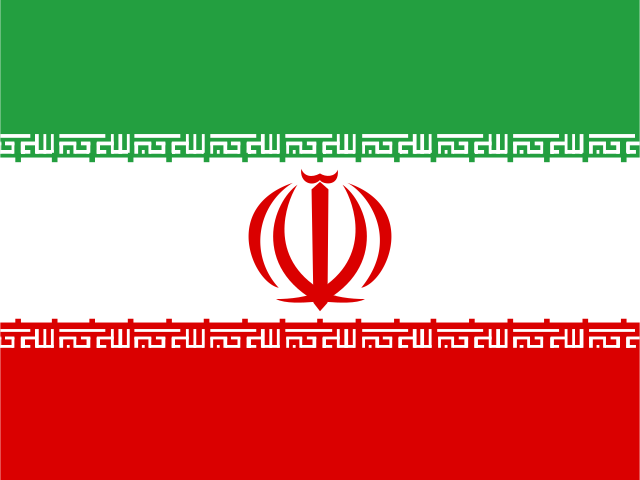
    ISLAMABAD/WASHINGTON: The collapse of the Islamabad negotiations between the United States and Iran marks more than a failed diplomatic round. It signals the emergence of a new phase in Gulf geopolitics one in which nuclear deterrence, sanctions leverage, and maritime chokepoints are merging into a single strategic contest shaping the future of global energy governance.

    Led by JD Vance, the U.S. delegation arrived in Islamabad seeking enforceable commitments that would permanently restrict Iran’s pathway to nuclear weapons capability. Tehran, however, approached the talks through a wider regional lens, linking enrichment restrictions with sanctions relief, maritime sovereignty claims, and ceasefire arrangements across allied theatres. The result was not simply disagreement. It was a clash of negotiation frameworks.

    ADVERTISEMENT

    This distinction matters.

    Washington continues to treat the dispute primarily as a non-proliferation challenge. Tehran increasingly treats it as a sovereignty-and-security architecture negotiation across West Asia. That mismatch explains why even direct talks the first at this level in more than a decade failed to produce convergence.

    Advertisement. Scroll to continue reading.
    ADVERTISEMENT
    ADVERTISEMENT

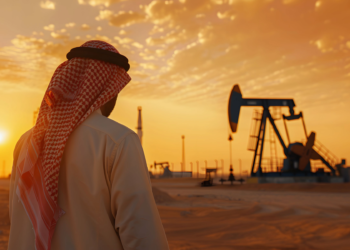
    At the center of the deadlock sits the Strait of Hormuz. Control over the strait is no longer merely a tactical pressure tool; it has become a structural bargaining instrument in the evolving multipolar order. Nearly one-fifth of global oil supply transits this corridor, meaning any uncertainty surrounding its status directly shapes inflation trajectories, shipping insurance markets, and strategic petroleum planning across Asia and Europe.

    What makes the current moment different from earlier crises is the widening scope of demands. Iran’s emphasis on transit fees, frozen assets, and regional ceasefire linkage signals a transition from reactive deterrence to proactive leverage diplomacy. In effect, Tehran is attempting to renegotiate the terms under which Gulf security has operated since the late twentieth century.

    Equally revealing was the venue itself. Pakistan’s hosting role indicates that crisis mediation is no longer monopolized by traditional Western platforms. Middle powers are increasingly shaping negotiation geography even when they cannot yet shape outcomes. That shift reflects the fragmentation of diplomatic authority in the emerging international system.

    The implications extend beyond the Gulf.

    For Europe, the failure of talks reinforces the urgency of diversifying energy pathways after successive supply shocks. For Asia’s import-dependent economies, it highlights the vulnerability of maritime-centric growth strategies to corridor disruption. For Global South states, it demonstrates how sanctions regimes are evolving from temporary coercive tools into long-term structural features of geopolitical competition.

    Most importantly, the Islamabad breakdown exposes a deeper strategic reality: future U.S.–Iran diplomacy will not succeed through narrow nuclear agreements alone. Any sustainable settlement will require a corridor-level framework addressing maritime access, sanctions sequencing, regional proxy theatres, and energy transit guarantees simultaneously.

    In this sense, the talks did not fail because expectations were too high, they failed because the negotiating agenda has expanded faster than the diplomatic architecture designed to manage it.

    Looking ahead, three trajectories are likely. First, the Strait of Hormuz will remain a calibrated pressure point rather than a permanently closed chokepoint. Second, sanctions will increasingly function as instruments of long-duration containment rather than short-term bargaining leverage. Third, regional middle powers, including Pakistan will continue to host negotiations even as outcomes remain shaped by great-power rivalry.

    The Islamabad talks therefore mark not the end of diplomacy, but the beginning of a longer strategic bargaining cycle over who defines the rules of energy security in a multipolar world. 

    ⁃ Dr. M Shahid Siddiqui and  Andrea Lawder

    READ THE FULL E-MAGAZINE | WorldAffairs: A Complete, Unfiltered Lens on Geopolitics, the World Economy, and Global Policy 

    –

    Category: Middle East News Politics
    Tags: #EnergyGeopolitics#Geopolitics#GlobalEnergySecurity#GlobalSouth#GulfSecurity#IslamabadNegotiations#MaritimeStrategy#MultipolarOrder#SanctionsPower#StraitOfHormuz#USIranTalks#WestAsiaSecurity#WNN#WorldAffairsNewsshahid siddiquiWNN
    ADVERTISEMENT

    Stay Connected test

    • 23.9k Followers
    • 99 Subscribers
    • Trending
    • Comments
    • Latest
    Trump Confirms Maduro Arrest, Signals U.S. Control in Venezuela

    Trump Confirms Maduro Arrest, Signals U.S. Control in Venezuela

    January 3, 2026
    Blueprints from the Past: Rethinking India’s Tourism with Tradition at Its Heart

    Blueprints from the Past: Rethinking India’s Tourism with Tradition at Its Heart

    August 21, 2025
    After Maduro: The High Cost of a Violent Shortcut

    After Maduro: The High Cost of a Violent Shortcut

    January 4, 2026
    “Sudan’s War Is Not Civil, It’s a Proxy Battle”, Envoy Accuses UAE of Arming RSF Militia

    “Sudan’s War Is Not Civil, It’s a Proxy Battle”, Envoy Accuses UAE of Arming RSF Militia

    November 3, 2025
    WNN Launches to Deliver Real News, Real Time, Worldwide

    WNN Launches to Deliver Real News, Real Time, Worldwide

    78
    Putin Lambasts Trade Sanctions on Eve of Visit to China

    Putin Lambasts Trade Sanctions on Eve of Visit to China

    3
    Trade, Talks, Tightrope: India’s Week That Rewrites Global Diplomacy

    Trade, Talks, Tightrope: India’s Week That Rewrites Global Diplomacy

    2

    The Legend of Zelda: Breath of the Wild gameplay on the Nintendo Switch

    1
    Saudi Oil Infrastructure Under Fire: A Strategic Shock to Global Energy Markets

    Saudi Oil Infrastructure Under Fire: A Strategic Shock to Global Energy Markets

    April 10, 2026
    Min Aung Hlaing Forms New Cabinet as Myanmar Military Tightens Grip on Power

    Min Aung Hlaing Forms New Cabinet as Myanmar Military Tightens Grip on Power

    April 9, 2026
    Two-Week U.S.–Iran Ceasefire After Pakistan Push

    Two-Week U.S.–Iran Ceasefire After Pakistan Push

    April 8, 2026
    World Bank Sees Nigeria Growth in 2026 Amid Iran War Inflation Pressure

    World Bank Sees Nigeria Growth in 2026 Amid Iran War Inflation Pressure

    April 7, 2026

    Recent News

    Saudi Oil Infrastructure Under Fire: A Strategic Shock to Global Energy Markets

    Saudi Oil Infrastructure Under Fire: A Strategic Shock to Global Energy Markets

    April 10, 2026
    Min Aung Hlaing Forms New Cabinet as Myanmar Military Tightens Grip on Power

    Min Aung Hlaing Forms New Cabinet as Myanmar Military Tightens Grip on Power

    April 9, 2026
    Two-Week U.S.–Iran Ceasefire After Pakistan Push

    Two-Week U.S.–Iran Ceasefire After Pakistan Push

    April 8, 2026
    World Bank Sees Nigeria Growth in 2026 Amid Iran War Inflation Pressure

    World Bank Sees Nigeria Growth in 2026 Amid Iran War Inflation Pressure

    April 7, 2026
    ADVERTISEMENT
    thewnn.com

    WNN- (World Affairs News Network) is a GLOBAL news platform delivering fast, accurate, and deeply contextual reporting from every corner of the world. Built on the pillars of clarity, credibility, and context in collaboration with Wakanda Network (Africa) and Sadbhawna Today - India's National Daily Hindi Newspaper, WNN brings you real news as it unfolds, unfiltered, uncompromised, and globally relevant.

    Follow Us

    Email ID: editor@thewnn.com

    Tel. No.: +1 (929) 607-9858

    Subscribe on YouTube

    Join Us on Facebook

    WNN’s Hindi Partner

    • About
    • Advertise
    • Privacy & Policy
    • Contact

    © 2025 thewnn.

    Welcome Back!

    Login to your account below

    Forgotten Password?

    Retrieve your password

    Please enter your username or email address to reset your password.

    Log In

    Add New Playlist

    No Result
    View All Result
    • Home
    • Politics
    • Business
    • Climate & Energy
    • WNN Exclusive
    • Others
      • Africa
      • Education
      • Entertainment
      • Environment
      • Europe
      • Finance
      • Health
      • Peace & Conflict
      • Religion & Faith
    • WNN AFRCIA
    • E-MAGAZINE

    © 2025 thewnn.