



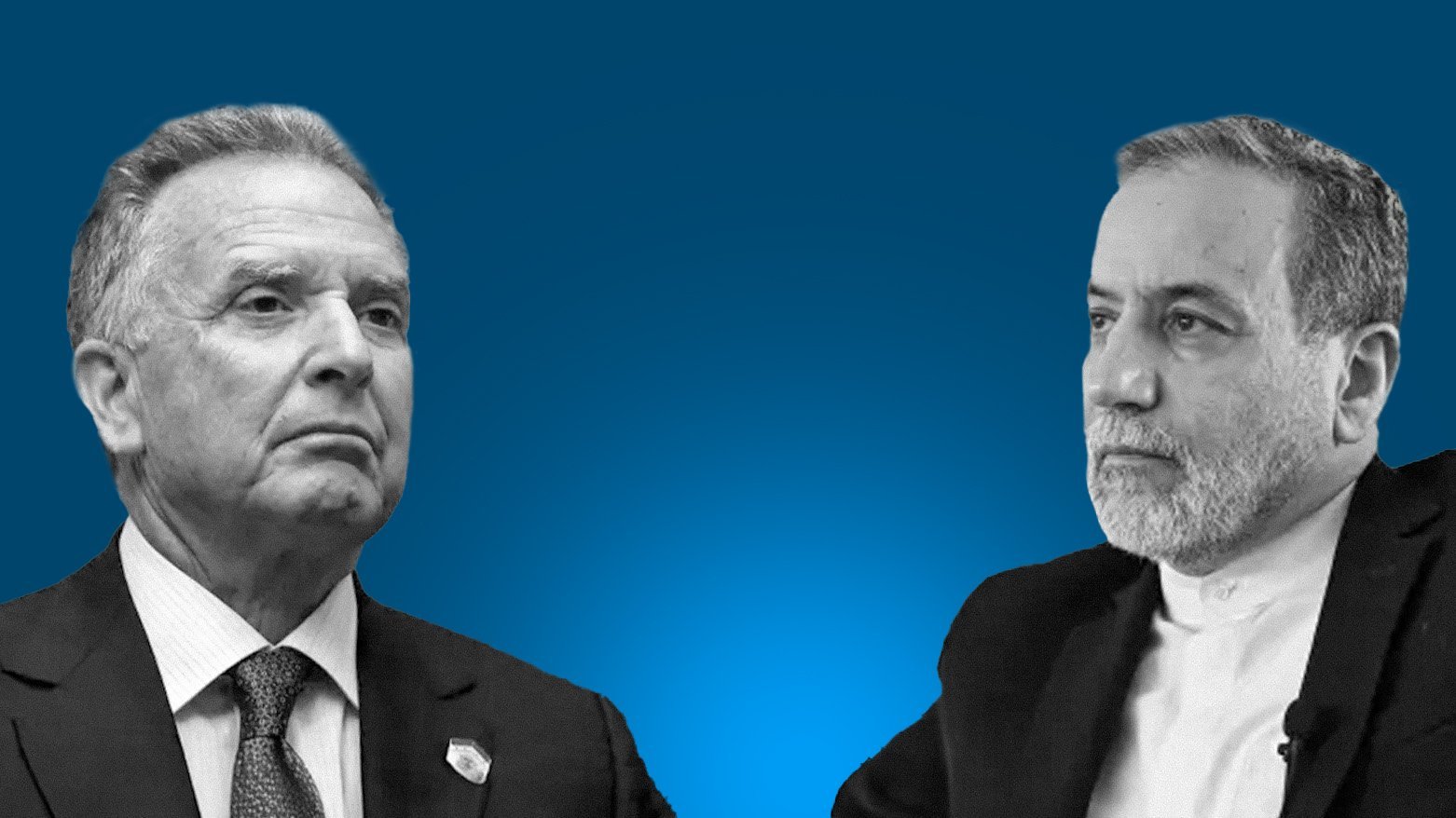
GENEVA: Fresh diplomatic momentum has emerged between Iran and the United States after both sides reached a preliminary understanding on key “guiding principles” during indirect nuclear negotiations in Geneva, signalling cautious progress without guaranteeing a final agreement.
Iranian Foreign Minister Abbas Araqchi said the discussions helped narrow differences and establish a framework for future negotiations aimed at resolving the long-running nuclear dispute. However, he stressed that while progress had been made, a comprehensive deal remains distant and complex details still need to be negotiated.
The talks, mediated by Oman, brought together senior envoys and officials from both sides, with Washington expecting Tehran to present detailed proposals within two weeks to bridge remaining gaps. Officials from both sides acknowledged “clear next steps,” indicating that diplomacy remains active despite deep mistrust and unresolved issues.
Markets reacted swiftly to the signs of reduced tensions, with global oil prices falling and Brent crude dropping more than 1% as fears of a potential regional conflict eased. Earlier concerns had escalated when Iranian state media announced temporary security measures and military drills near the Strait of Hormuz, a critical global oil shipping route through which roughly one-fifth of the world’s crude supply passes.
Tensions remain high despite the diplomatic progress. Iran’s Supreme Leader Ayatollah Ali Khamenei issued sharp warnings against any U.S. push for regime change, while U.S. President Donald Trump reiterated that he believed Tehran ultimately seeks a deal to avoid further economic and military pressure.
Tehran has made clear it will only negotiate limits on its nuclear programme in exchange for sanctions relief and will not discuss its missile capabilities or fully abandon uranium enrichment. Washington, meanwhile, has sought broader concessions, including curbs on Iran’s missile programme and regional activities.
The renewed diplomacy follows months of heightened tensions after U.S. and Israeli strikes on Iranian nuclear facilities last year and escalating sanctions that have strained Iran’s economy. While both sides now describe a “new window of opportunity,” analysts caution that fundamental disagreements over sanctions relief, nuclear limits, and security guarantees could still derail the fragile process.
– Lincoln Singleton