


NEW DELHI, India: The United States and India are moving to revive stalled trade negotiations, with Washington signaling renewed urgency and strategic intent. Newly appointed U.S. Ambassador to India Sergio Gor confirmed on Monday that a fresh round of bilateral trade discussions will take place on Tuesday, marking the most significant re-engagement since talks collapsed last year.
The renewed push comes after months of trade uncertainty, elevated tariff tensions, and financial volatility that contributed to pressure on the Indian rupee, rattled market sentiment, and slowed progress in bilateral economic cooperation. At its peak, Washington had raised tariffs on Indian goods to 50%, including a punitive levy related to Russian oil purchases, a move that strained what has otherwise been one of the world’s most strategically aligned partnerships.
U.S. Signals Reset — India Sees Opportunity
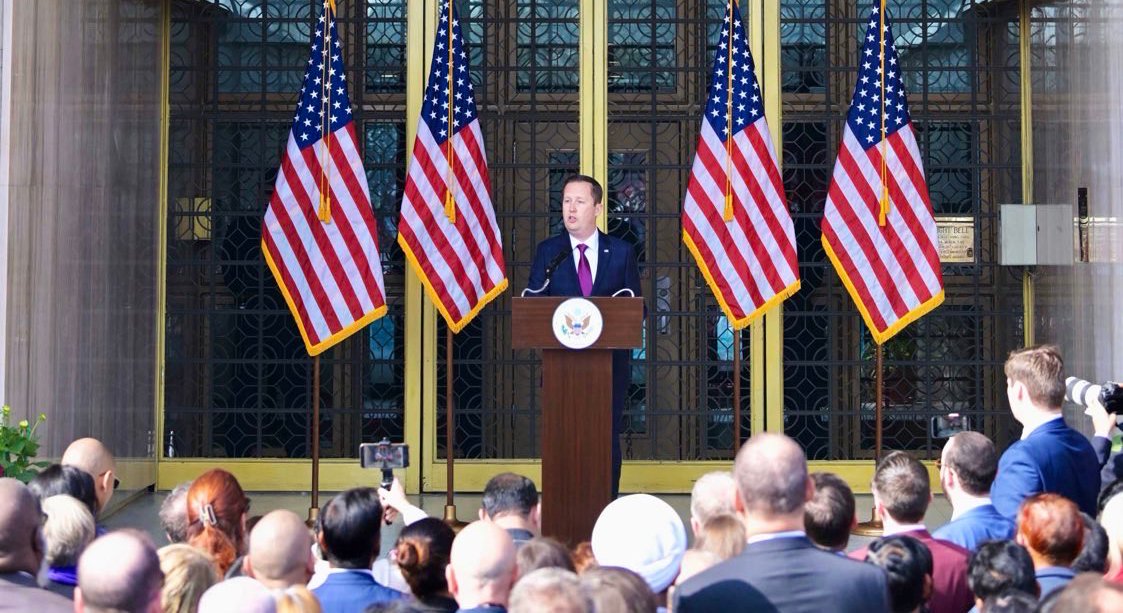
Speaking in New Delhi as he formally assumed office, Ambassador Gor emphasised that both nations are actively engaging and committed to resolving differences. He also indicated that India will likely be invited next month to Pax Silica, a U.S.-led initiative aimed at building an integrated silicon and semiconductor ecosystem covering critical minerals, chip manufacturing, and artificial intelligence supply chains. The move signals Washington’s intent to keep India firmly positioned within its strategic technology architecture.
Despite past setbacks, senior Indian officials say dialogue never fully stopped. Commerce Minister Piyush Goyalreiterated that talks continue with the objective of structuring a sustainable and mutually beneficial trade framework. Markets responded positively to Washington’s tone shift, with the Nifty 50 recovering 220 points in early trading.
Prime Minister Narendra Modi and U.S. leadership have previously agreed to target a trade deal timeline around late 2025, while both countries continue to pursue their ambition to expand bilateral trade to $500 billion by 2030. India is already a major buyer of U.S. energy, and defence procurement remains a strong pillar of engagement.
Stakes Are High and Strategic
The trade reset goes beyond tariffs. India and the U.S. remain deeply aligned on security cooperation, counterterrorism, energy collaboration, technology partnerships, education, and healthcare. However, the absence of a structured economic agreement has increasingly contrasted with India’s progress with other major partners particularly Europe, where long-term frameworks are taking shape.
For Washington, stabilising economic ties with India is now linked not only to trade but also to global supply chain diversification, Indo-Pacific strategy, and advanced technology leadership. For New Delhi, the priority is clear: restore economic predictability without compromising strategic autonomy.
“Real Friends Resolve Differences”
Ambassador Gor struck a confident tone, noting that the India–U.S. relationship is anchored at the highest political levels and built on shared democratic trust.
“Real friends can disagree, but they always resolve their differences,” he said, a message aimed equally at markets, policymakers, and strategic observers.
Outlook
Tuesday’s trade engagement represents more than another round of talks, it signals a reset in intent. If the renewed momentum translates into structured negotiation, both economies stand to benefit from stability, stronger investor confidence, and a clearer pathway to the $500 billion trade vision.
For now, Washington has moved first and New Delhi is ready to respond. The world’s two largest democracies appear prepared to turn friction back into forward motion.
-WNN Newsroom
READ THE FULL E-MAGAZINE | WorldAffairs: Where Power Shifts, Economies Collide, and Global Policy Is Decoded