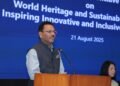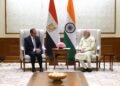


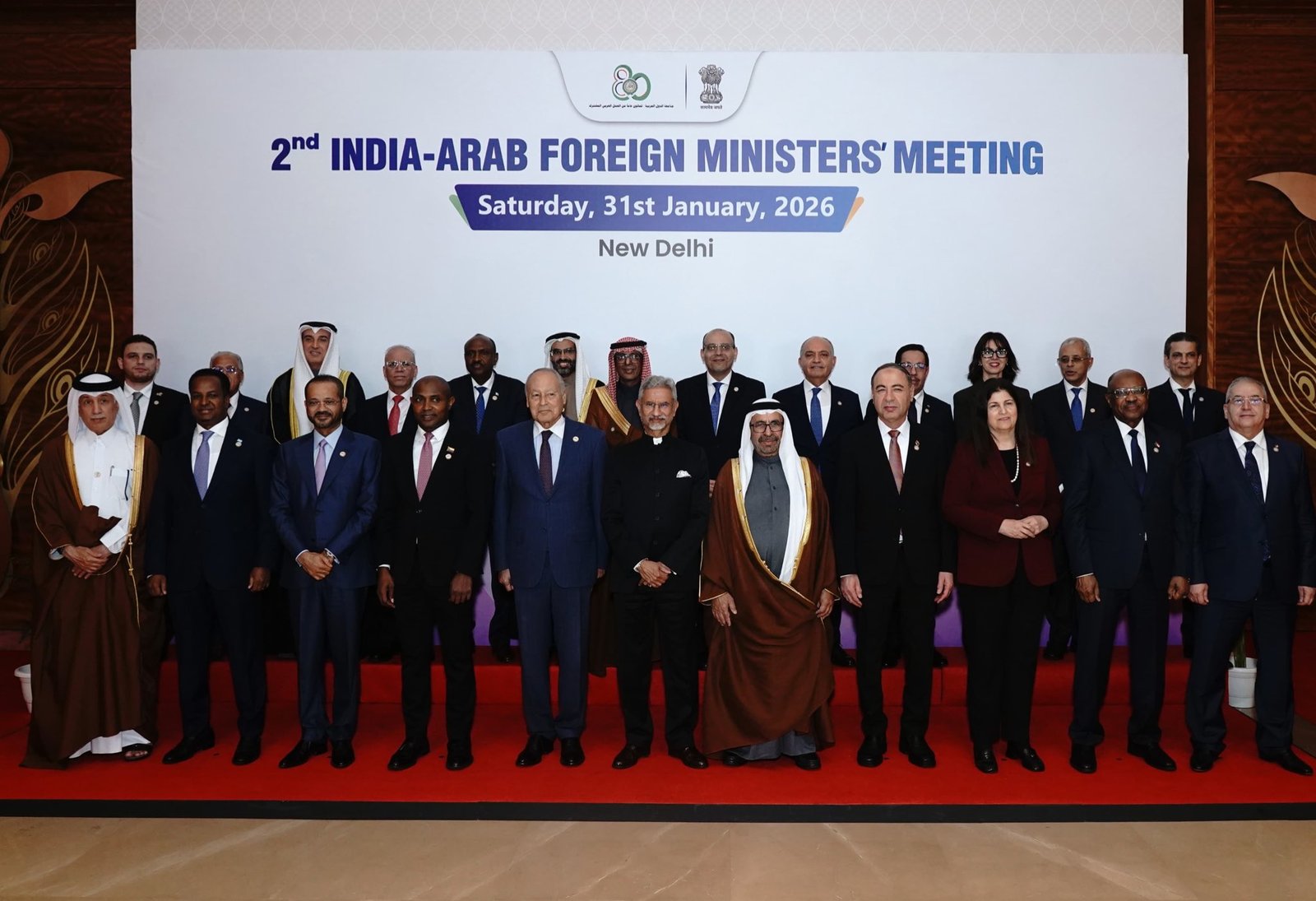
NEW DELHI, India: The second India–Arab Foreign Ministers’ Meeting in New Delhi marked a decisive shift in global geopolitics from transactional engagement to structural alignment. At a time when the international order is fragmented, institutions are losing legitimacy, and regional conflicts are proliferating, India and the Arab world chose coordination over ambiguity and architecture over symbolism. This was not diplomacy for optics. It was diplomacy for power rebalancing.
Civilizational ties and diaspora bonds were invoked not as nostalgia but as strategic capital. These historical linkages now anchor a multidimensional partnership spanning energy, security, technology, healthcare, agriculture, space, education, culture, and youth. The 2026–2028 Executive Program institutionalizes this shift, embedding cooperation across sectors through permanent forums and working groups. The relationship has moved from episodic engagement to system-level governance.
Both sides articulated a shared critique of a global system that no longer reflects demographic realities or power distribution. Their call for UN Security Council reform expanding both permanent and non-permanent membership is not symbolic; it reflects a structural challenge to an outdated global architecture. Rather than abandoning multilateralism, India and the Arab world are repositioning themselves as reformers of it seeking legitimacy through representation, equity, and sovereignty rather than historical privilege.
With bilateral trade exceeding US$240 billion, economic ties are no longer transactional, they are strategic infrastructure. Yet the real shift lies in investment direction: renewables, green hydrogen, infrastructure, startups, digital technologies, and innovation ecosystems. Energy diplomacy is becoming climate diplomacy. Economic integration is becoming geopolitical insulation against climate shocks, supply chain disruptions, and coercive interdependence.
The emphasis on artificial intelligence and digital governance reflects a growing Global South consensus: technology must serve sovereignty, not erode it. Both sides stressed ethical frameworks, regulatory autonomy, and inclusive innovation, rejecting technological dependency and regulatory imperialism. By linking startup ecosystems and digital public infrastructure, India and Arab states are positioning themselves as rule-makers, not rule-takers, in the emerging digital order.
Healthcare and pharmaceuticals were framed as strategic sectors, not welfare domains. India’s call for recognition of the Indian Pharmacopoeia signals a push for affordable medicine access, regulatory convergence, and pharmaceutical sovereignty. Space cooperation was anchored in civilian and developmental applications climate monitoring, disaster response, agriculture, and navigation marking a shift from prestige rivalry to public utility. Youth exchanges, archival cooperation, education, culture, and women-led development further signal a redefinition of security away from militarization toward societal resilience.
The reaffirmation of support for a sovereign Palestinian state based on 1967 borders reflects continuity, but the real shift lies in process. By endorsing the Gaza ceasefire, Arab-Islamic reconstruction plan, UNRWA’s mandate, and the Palestinian technocratic committee under UNSC Resolution 2803, India and Arab states are moving from declaratory diplomacy to post-conflict governance. Peace is no longer framed as aspiration but as institutional design.
Across Lebanon, Libya, Sudan, Somalia, Yemen, and the UAE’s three islands, the meeting articulated a consistent doctrine: sovereignty, territorial integrity, and state authority are non-negotiable. Militias, proxy warfare, and external interference were uniformly rejected not on ideological grounds, but on strategic ones. Fragile states and contested waterways destabilize trade, energy flows, and humanitarian systems core interests for both regions.
The condemnation of Houthi attacks and the emphasis on protecting the Bab al-Mandab and Red Sea reframed maritime security as a shared international responsibility. India and Arab states are positioning themselves as custodians of global trade arteries, not merely regional stakeholders. This elevates their role from participants in global commerce to guarantors of its stability.
The meeting advanced counterterrorism into operational territory: joint working groups, financial tracking, technology-driven threat management, and the implementation of the Algeria Guiding Principles on preventing terror financing through emerging technologies. The condemnation of the Pahalgam attack and solidarity with India underscored political trust. The recognition of Iraq’s and Syria’s counterterrorism efforts acknowledged hard security realities. The focus on drones, digital radicalization, and crypto-financing reflects a shift toward 21st-century threat governance.
India and Arab states reaffirmed their leadership in UN peacekeeping and demanded greater decision-making authority for troop-contributing countries challenging hierarchical structures within global security governance. Their rejection of hate speech and religious intolerance links diplomacy to domestic cohesion and conflict prevention, reinforcing their role as normative, not merely strategic, actors.
The meeting redefined Global South solidarity from moral identity to strategic doctrine. By anchoring cooperation in equality, sovereignty, and partnership, India and the Arab world positioned themselves as co-architects of a renewed international system. India’s leadership through the Voice of Global South Summits, Young Diplomats Forum, and AI Impact Summit with Arab participation signals a shift from agenda reception to agenda formation.
The New Delhi meeting did not produce a dramatic treaty. It produced something more consequential: strategic geometry. India and the Arab world are no longer peripheral balancers or reactive actors. They are emerging as system designers shaping norms, institutions, markets, and security frameworks. In a fractured world order, this axis offers an alternative model: sovereignty without isolationism, multilateralism without hierarchy, development without dependency, and security without militarization. This was not diplomacy as ceremony. This was diplomacy as system design.
–Dr. M Shahid Siddiqui | Follow via X @shahidsiddiqui
READ THE FULL E-MAGAZINE | WorldAffairs: Understand the World Before It Shapes You