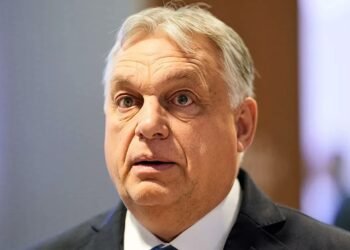



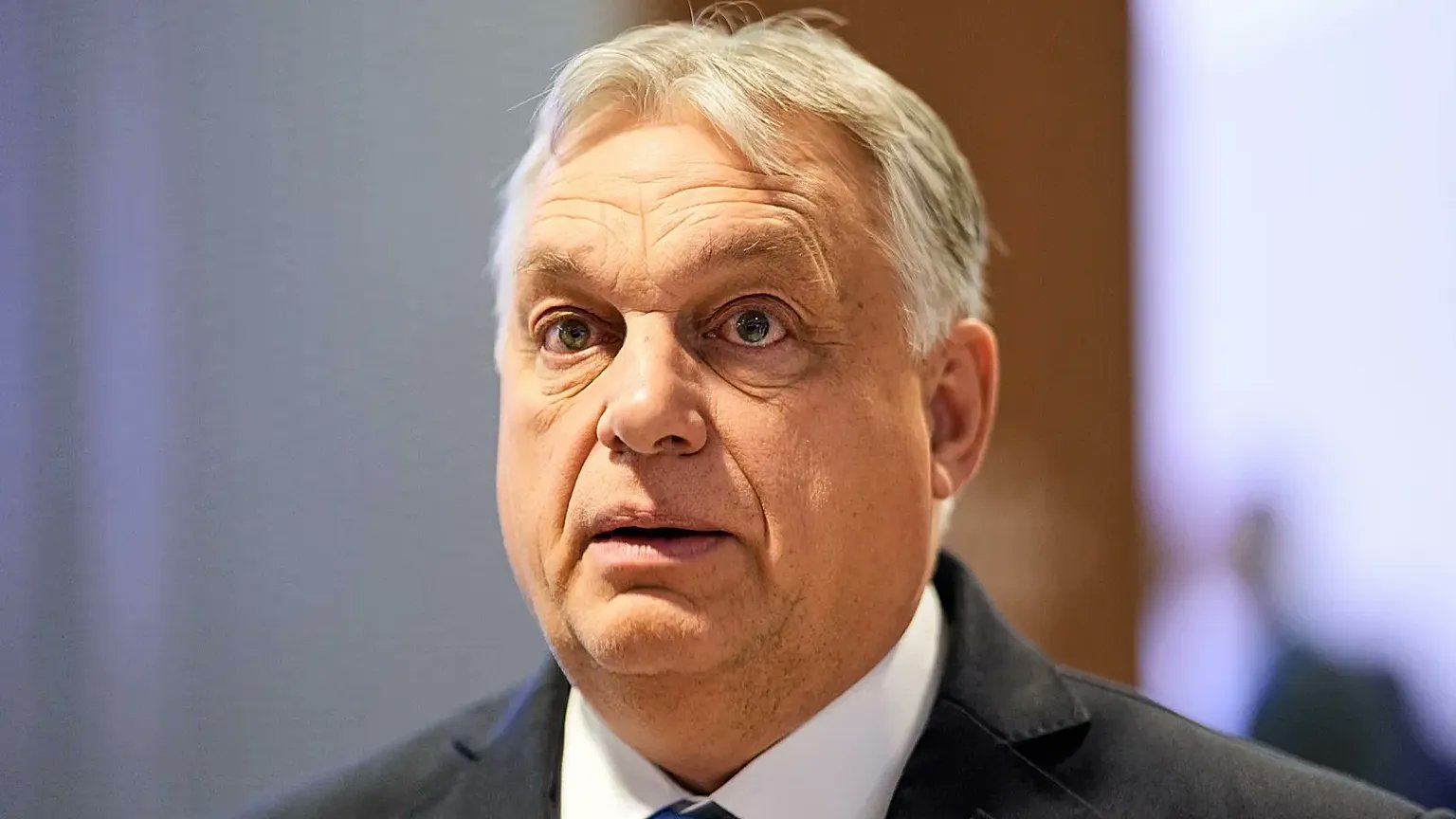
BUDAPEST: Hungary will gradually reduce natural gas supplies to Ukraine unless Russian oil transit through the Druzhba pipeline resumes, Prime Minister Viktor Orbán announced on Wednesday, signaling a sharp escalation in energy tensions between the two neighbors.
Natural gas transit through Hungary has remained critical for Ukraine’s energy security as the country enters its fourth year of war with Russia. However, Russian crude deliveries to Hungary and Slovakia have been halted for nearly two months following drone attacks that Ukrainian officials say damaged sections of the pipeline running across Ukrainian territory. Kyiv has warned that continued strikes threaten the safety of technicians working on repairs.
Budapest and Bratislava have accused Ukraine of deliberately obstructing Russian oil flows, allegations Kyiv has not confirmed. Earlier this month, Ukrainian President Volodymyr Zelenskyy indicated reluctance to allow Russian oil to continue transiting Ukrainian territory during wartime.
In a video statement posted on social media, Orbán described the interruption of Russian oil deliveries as “Ukrainian blackmail,” warning that Hungary would respond proportionally.
“As long as Ukraine does not supply oil, it will not receive gas from Hungary,” Orbán said, adding that Budapest would instead prioritize filling its domestic energy reserves.
There was no immediate official response from Kyiv following Orbán’s remarks.
Ukraine has relied heavily on Hungarian gas transit routes to meet domestic demand. According to Ukrainian energy consultancy EXPRO, Hungary accounted for roughly 45 percent of Ukraine’s gas imports last year, though that share declined to around 38 percent by January.
Orbán’s latest warning follows a series of retaliatory steps taken by Hungary after Russian oil deliveries were disrupted. Last week, the Hungarian leader blocked a proposed €90-billion European Union loan package intended to support Ukraine’s economy and reconstruction efforts. He also pledged to veto further EU initiatives supporting Kyiv unless oil transit through the Druzhba pipeline resumes.
Budapest had earlier halted diesel exports to Ukraine and opposed a new round of European Union sanctions targeting Russia.
The energy dispute is unfolding against the backdrop of mounting domestic political pressure on Orbán ahead of parliamentary elections scheduled for April 12. In recent weeks, the Hungarian prime minister has intensified criticism of Ukraine, describing it as a strategic adversary and accusing President Zelenskyy of attempting to trigger an energy crisis to influence Hungary’s political landscape claims for which no evidence has been presented.
Hungary and Slovakia continue to benefit from a temporary exemption under EU sanctions policy allowing imports of Russian oil following Moscow’s full-scale invasion of Ukraine in February 2022.
-Jeff Calven Henderson