




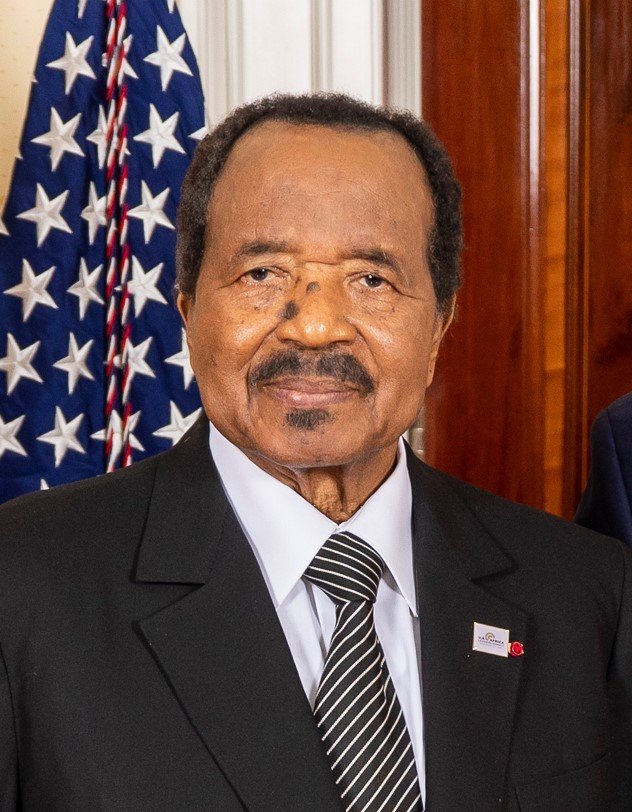
DAKAR: Cameroon’s parliament has overwhelmingly approved a constitutional amendment restoring the post of vice president, a move the government says is aimed at ensuring institutional continuity but which opposition leaders warn could further consolidate executive authority around President Paul Biya, the world’s oldest serving head of state at 93.
The amendment passed during a joint session of the National Assembly and Senate with 200 votes in favour, 18 against, and four abstentions, reflecting strong support from the ruling party-dominated legislature.
Under the legislation, the vice president will automatically assume the presidency if the incumbent dies, resigns, or becomes incapacitated. The vice president will be appointed and dismissed by the president and will serve for the remainder of the presidential seven-year term. However, the interim leader will not be permitted to initiate constitutional amendments or contest the subsequent presidential election.
Government officials argue the reform is intended to safeguard institutional stability in the event of a sudden leadership vacancy. President Biya now has 15 days to promulgate the bill into law.
Opposition leaders have criticised the amendment, warning that it weakens democratic institutions and reinforces centralisation at a time when the country continues to face internal tensions and governance challenges.
Joshua Osih, chairman of the Social Democratic Front, said the reform represents a missed opportunity to strengthen democratic legitimacy and national unity in a country affected by conflict in its Anglophone regions since 2017. He argued that Cameroon would benefit more from a system in which both the president and vice president are jointly elected, reflecting the country’s origins as a union of British- and French-administered territories.
The reintroduction of the vice presidency marks Cameroon’s most significant constitutional adjustment since 2008, when presidential term limits were removed in a move that triggered nationwide protests and a violent security crackdown.
The vice presidency had previously existed within Cameroon’s governance framework but was abolished in 1972 following a constitutional referendum that replaced the federal system with a more centralised structure. Analysts say the latest reform highlights growing attention within the political establishment to leadership continuity as questions surrounding succession remain increasingly relevant after more than four decades of President Biya’s rule.
-Amindeh Blaise Atabong