


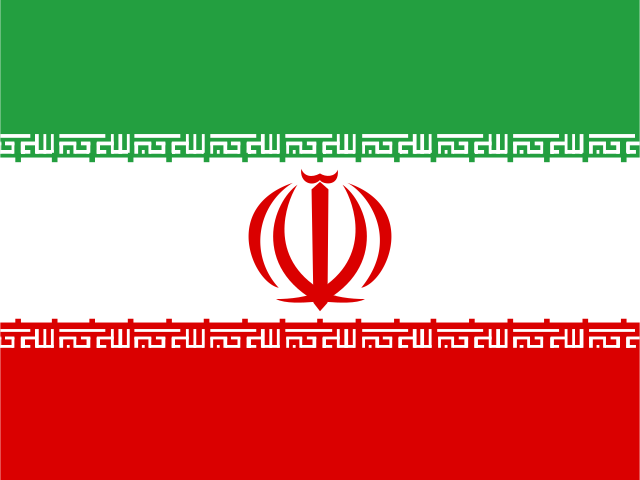
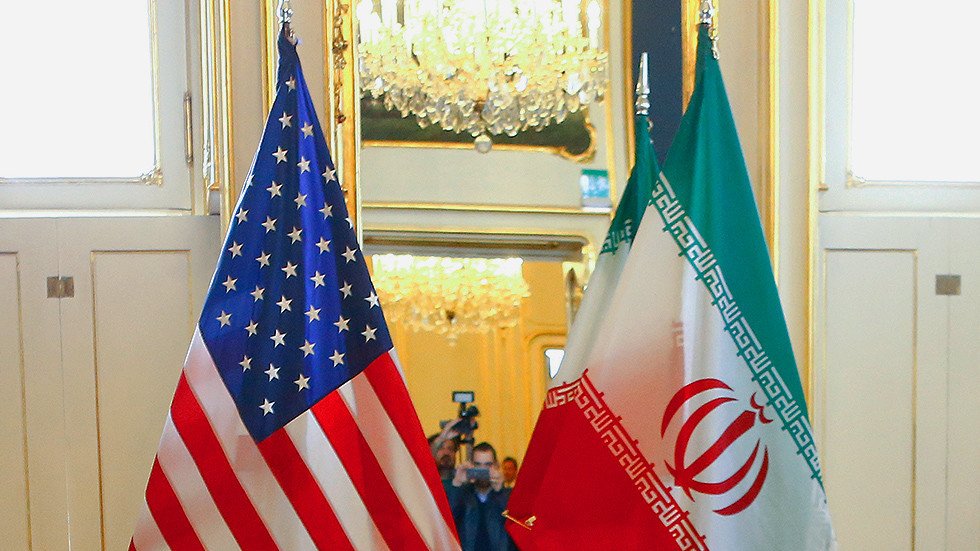
TEHRAN/WASHINGTON: Iran and the United States remain divided over the scope and sequencing of sanctions relief in renewed negotiations aimed at curbing Tehran’s nuclear programme, a senior Iranian official told on Sunday, signalling that key gaps persist ahead of another round of talks expected in early March.
The renewed diplomatic push comes amid heightened regional tensions, with Washington reinforcing its military posture in the Middle East and Tehran warning it would respond if attacked by U.S. forces.
According to the Iranian official, the latest round of discussions exposed significant differences over how sanctions would be lifted under a potential agreement.
“The U.S. proposals regarding the scope and mechanism of sanctions relief differ from Iran’s demands. Both sides must reach a logical timetable for lifting sanctions,” the official said, adding that any roadmap must be reasonable and grounded in mutual interests.
Sanctions relief remains central to Tehran’s negotiating position. Iranian authorities argue that without a clear and credible framework for easing economic restrictions, nuclear concessions would be politically and economically unsustainable.
Foreign Minister Abbas Araqchi said on Friday that Iran expects to finalize a draft counterproposal within days. Tehran has rejected Washington’s demand for “zero enrichment,” insisting that its right to peaceful nuclear enrichment be formally recognized.
The United States views uranium enrichment inside Iran as a potential pathway to nuclear weapons and has demanded that Tehran relinquish its stockpile of highly enriched uranium (HEU). The UN nuclear watchdog estimated last year that Iran possesses more than 440 kilograms of uranium enriched up to 60% purity, close to the 90% threshold considered weapons-grade.
The Iranian official indicated that Tehran could consider exporting part of its HEU stockpile, diluting highly enriched material, and participating in a regional enrichment consortium, provided its enrichment rights are acknowledged.
“The negotiations continue and the possibility of reaching an interim agreement exists,” the official said.
The talks are unfolding alongside mounting geopolitical strain. U.S. President Donald Trump has said he is considering limited military strikes, while Iran has warned it would target U.S. bases in the region if attacked.
Iranian authorities have also framed a potential agreement in economic terms. The senior official said the United States has been offered opportunities for serious investment in Iran’s oil industry as part of the broader economic package under negotiation. However, he emphasized that Tehran will not relinquish control over its oil and mineral resources, stating that American companies could participate as contractors in oil and gas fields but would not gain ownership stakes.
As early March talks approach, the path to a breakthrough remains uncertain. While signals of flexibility have emerged on technical issues, fundamental disagreements over sanctions relief and enrichment rights continue to define the negotiations.
-Alex Donovan