


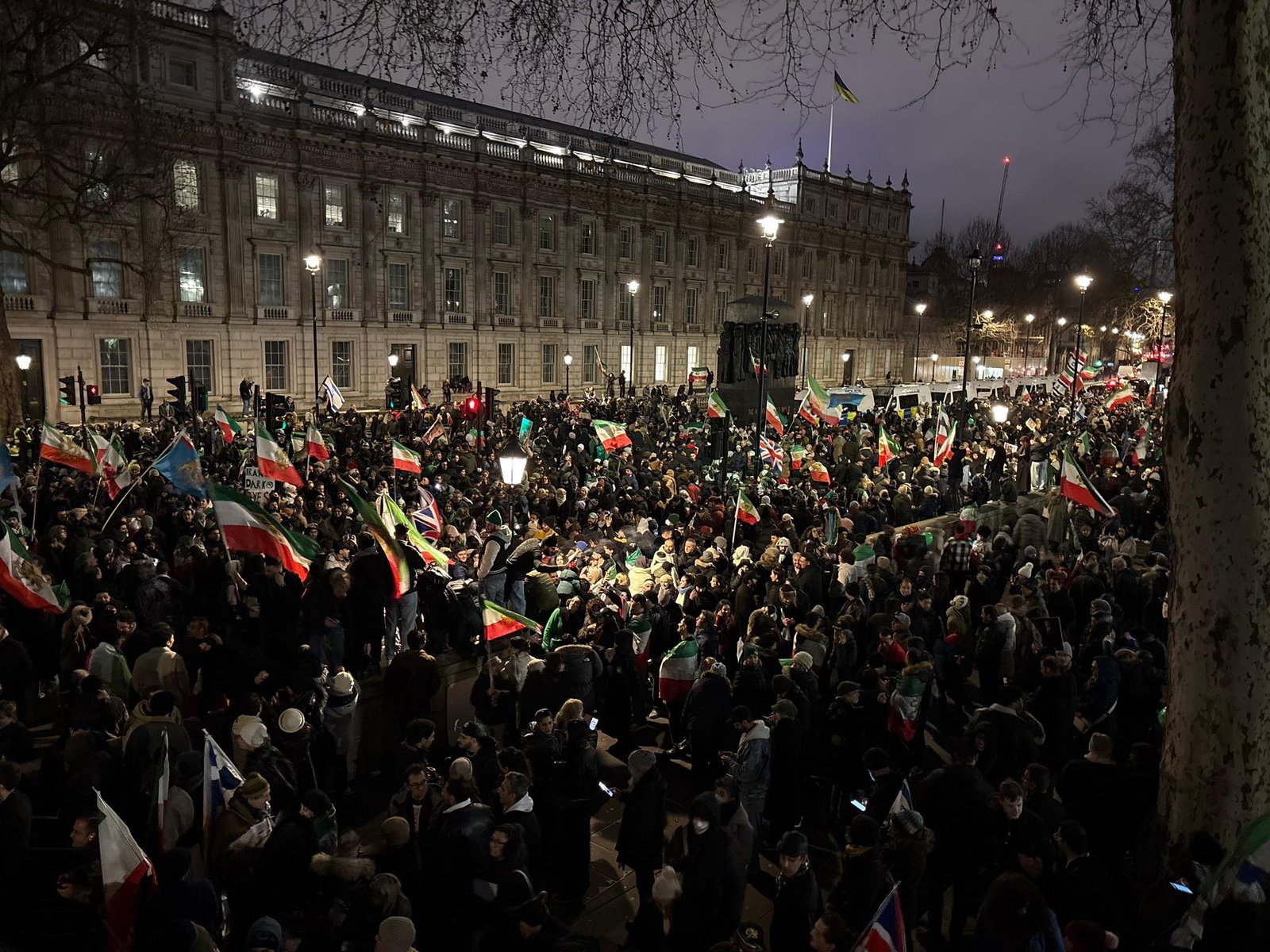
WASHINGTON: Some U.S. senators from both major parties expressed growing skepticism about military action against Iran as anti-government demonstrations escalate and Tehran faces mounting internal unrest. The protests triggered by economic hardship and widening into broad political demands have drawn the harshest crackdown in years, with human rights groups reporting more than 500 deaths and over 10,000 arrests amid nationwide demonstrations.
The U.S. presidential administration has recently kept open the option of military responses, including cyber measures and potential strikes, as part of a briefing set to be delivered to President Donald Trump. Military and diplomatic leaders are reported to be assessing a range of contingency plans that could include limited kinetic options.
However, at least two influential senators sounded caution on Sunday morning media programs. Republican Senator Rand Paul questioned the efficacy of military force, saying, “I don’t know that bombing Iran will have the effect that is intended,” warning that external strikes could instead rally domestic support around the regime. Democratic Senator Mark Warner similarly cautioned that military action could unite Iranians against the United States in ways the regime itself has struggled to achieve.
These remarks signal a rare moment of bipartisan restraint in Congress, highlighting concern that direct military engagement could complicate both domestic Iranian sentiment and broader U.S. diplomatic goals in the region.
Iran’s Internal Turmoil and International Pressure
The protests, which began in late December 2025 amid economic decline, inflation and currency collapse, have spread to all 31 provinces and represent one of the largest waves of public dissent against the Islamic Republic since the 2022 unrest. Activists report that security forces have used lethal force against demonstrators, including students and workers, as slogans shift from economic grievances to demands for political change.
The Iranian government has attempted to control information flows by imposing a near-nationwide internet blackout, making independent verification of events increasingly difficult but exacerbating criticism from rights advocates and foreign governments.
Amid the unrest, Tehran has warned that any military intervention by the United States could prompt retaliatory attacks on U.S. forces and allied interests in the region, including bases, naval assets and partner territories. Iranian parliamentary leaders have framed potential strikes as justification for broad defensive responses.
Exiled opposition figures, such as Reza Pahlavi, have reiterated calls to return to Iran to lead a peaceful transition to democratic governance, positioning themselves as alternatives to both clerical rule and violent repression.
Balancing Support and Strategic Risk
Inside the United States, lawmakers supportive of strong measures against Tehran underscore a different perspective. Senator Lindsey Graham urged decisive action against regime leaders, advocating for direct pressure against those responsible for civilian deaths.
Yet the debate reflects growing recognition in Washington that military engagement carries significant risks: it may inadvertently strengthen hardliners within Iran, complicate international alliances, and broaden geopolitical instability at a time when global attention remains focused on other major crises.
As the situation continues to unfold, U.S. policymakers face the dual challenge of supporting peaceful protesters while avoiding escalatory policies that could undermine regional stability or provoke wider conflict.
-Anderson Sachs
READ THE FULL E-MAGAZINE | WorldAffairs: Inside the Forces Redefining Power, Markets, and the Global Order