


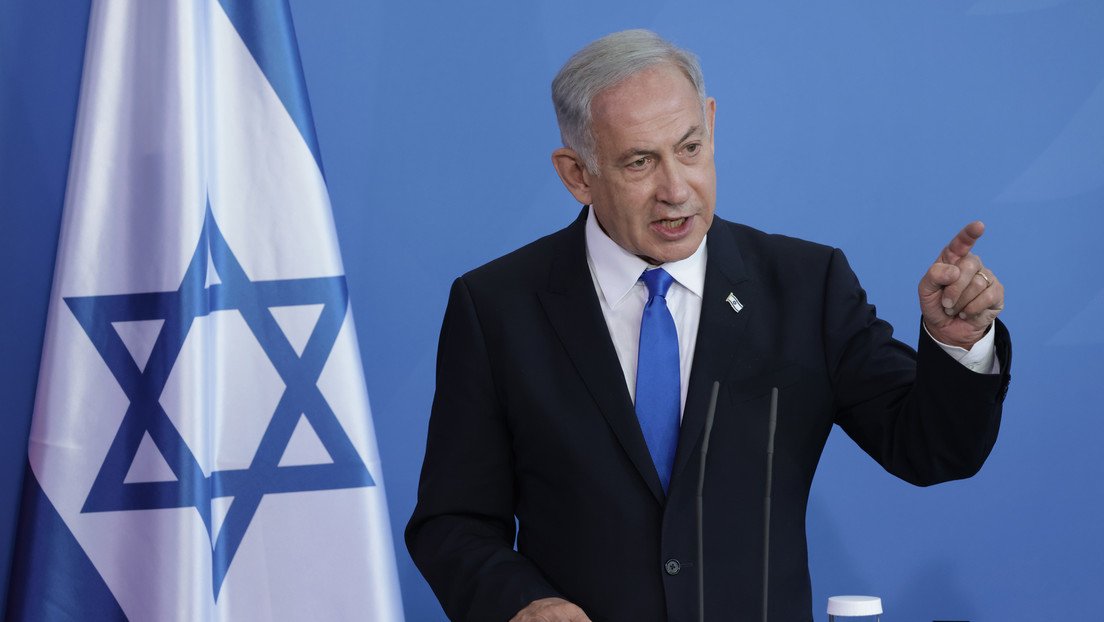
TEL AVIV: Israeli Prime Minister Benjamin Netanyahu formally requested a presidential pardon on Sunday, November 30, 2025, in an extraordinary attempt to end his ongoing corruption trial, a move that has sparked fierce debate about judicial independence and the health of Israeli democracy.
Netanyahu faces charges of fraud, breach of trust and accepting bribes across three separate cases that allege he granted favors to wealthy political allies. He remains unconvicted and insists the prosecution is a politically motivated “witch hunt” by media, police and judicial authorities.
His legal team submitted two documents to the President’s Office, a detailed legal letter and a personal letter from Netanyahu, which the presidency described as an “extraordinary request” with significant implications. The papers will be reviewed by the justice ministry and then by the president’s legal advisor before reaching the president.
Netanyahu argues the pardon would help heal national divisions and allow him to govern without the frequent court appearances that he says distract from leading during a period of regional instability. U.S. President Donald Trump has publicly urged Israel to grant the pardon, adding international pressure to the issue.
Legal experts, however, say a pardon cannot halt the trial while proceedings continue; only an attorney general’s decision to withhold charges could do that. Opposition leaders condemned the request, warning that granting it would erode democratic norms and set a precedent of executive immunity unless accompanied by an admission of guilt, remorse and political retirement—conditions Netanyahu has rejected.
The pardon petition underscores a deep clash between executive authority and judicial independence in Israel, and its outcome will be a key test of the country’s institutional resilience.
-Sam Mednick