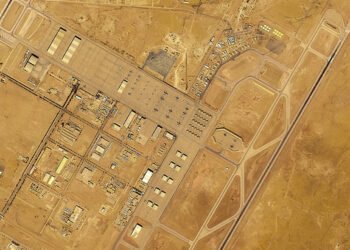



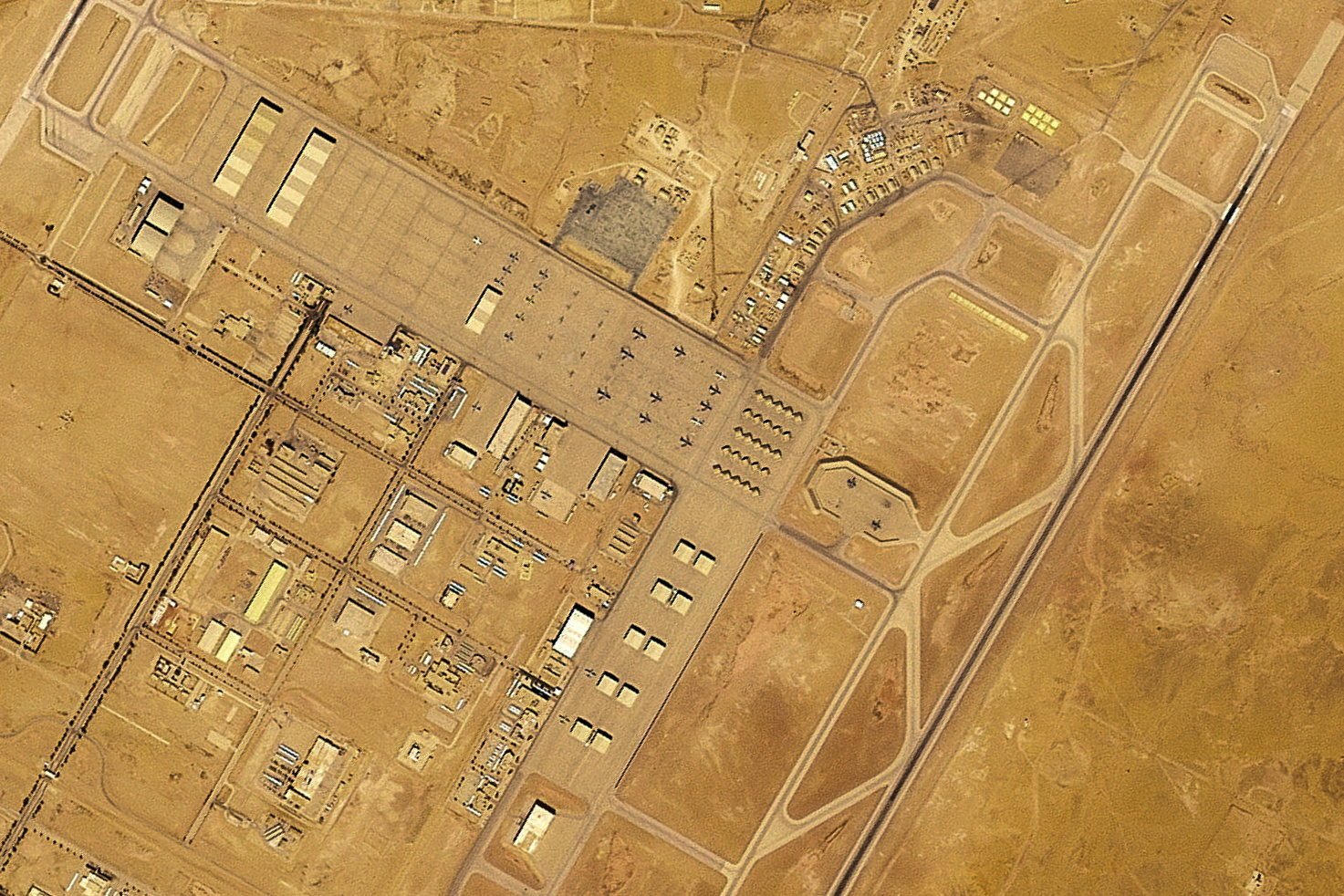
WASHINGTON: High-resolution satellite imagery has revealed a noticeable increase in U.S. military support aircraft at Saudi Arabia’s Prince Sultan Airbase over a four-day period in February, signaling a regional force buildup as tensions with Iran persist.
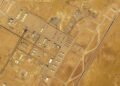
Images captured on February 21 show at least 43 aircraft at the base, compared with 27 aircraft visible in a February 17 image. By February 25, the number had slightly declined to 38. Prince Sultan Airbase has hosted U.S. forces for decades and remains a key strategic hub in the region.
According to forensic imagery analyst William Goodhind of Contested Ground, the February 21 image included 13 Boeing KC-135 Stratotankers and six Boeing E-3 Sentry (AWACS) surveillance aircraft among 29 large swept-wing planes parked at the base. In contrast, only 11 large swept-wing aircraft were visible in the February 17 image.
The Pentagon declined to comment, stating it had “nothing to provide,” consistent with its policy of not discussing troop or equipment movements. Saudi authorities also did not immediately respond to media inquiries.
The buildup comes amid renewed diplomatic efforts between Washington and Tehran. Oman, which is mediating indirect talks between the United States and Iran over Tehran’s nuclear program, said discussions made progress this week, though no breakthrough has been announced. Technical-level negotiations are expected to resume in Vienna following consultations in both capitals.
Saudi Arabia, a long-standing U.S. ally, has reportedly informed Iran that it will not allow its airspace or territory to be used for military action against Tehran.
Earlier in February, U.S. President Donald Trump warned that Iran must reach a deal within 10 to 15 days or face severe consequences. Additional satellite comparisons from January to early February also indicate a broader military buildup across the region.
Meanwhile, separate satellite imagery has shown Iran reinforcing and repairing sensitive military sites, including locations reportedly targeted by Israeli strikes in 2024.
-Eleanor Perry