


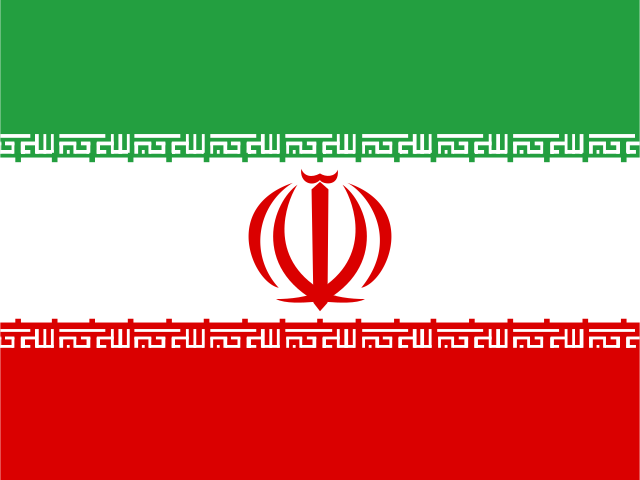
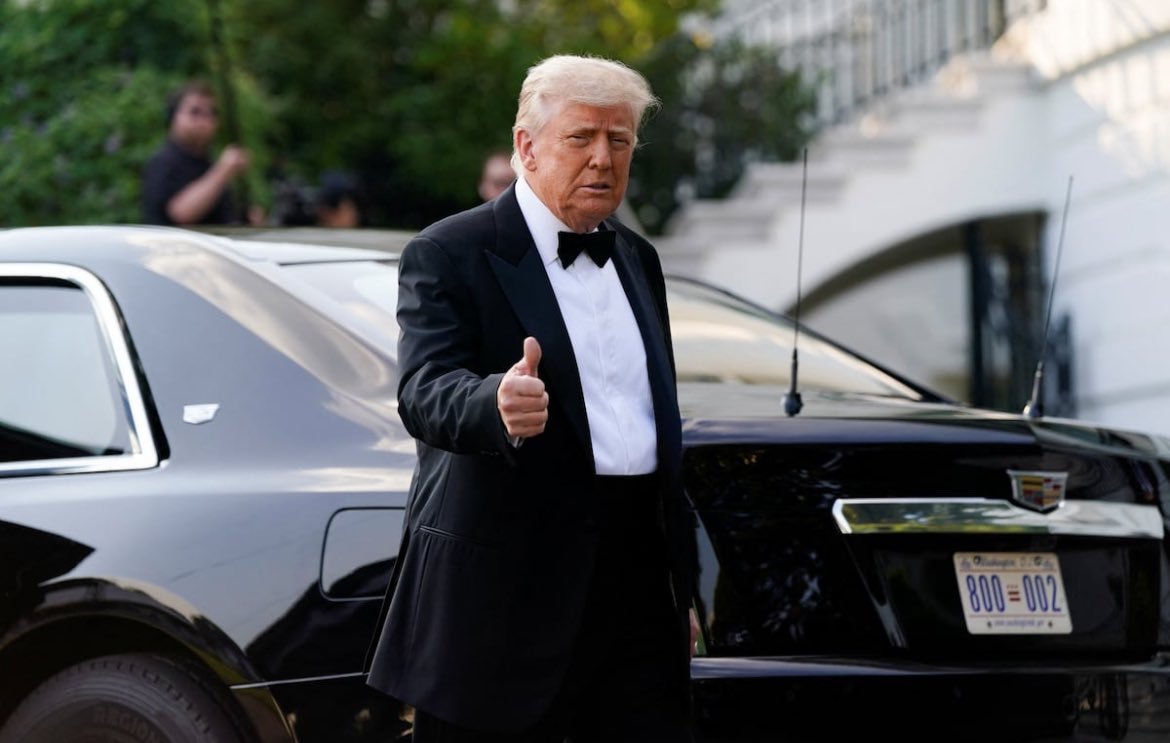
TEL AVIV/ WASHINGTON: U.S. President Donald Trump has extended a temporary pause on attacks targeting Iran’s energy infrastructure until early April, signaling a cautious diplomatic opening even as fighting between United States, Israel, and Iran continues to destabilize the wider Middle East and rattle global energy markets.
The extension follows an earlier five-day halt announced in March and now stretches the suspension of strikes on Iranian power plants and oil facilities to April 6, 2026. Trump stated that negotiations were progressing “very well,” despite Tehran insisting publicly that it is not engaged in direct talks with Washington. The conflicting narratives underscore the fragile and indirect nature of the diplomacy currently unfolding through regional intermediaries.
The war, which began on February 28 after negotiations over Iran’s nuclear program collapsed, has already entered its fourth week and triggered widespread regional escalation. Thousands have been killed across multiple theatres, while the conflict has sharply disrupted shipping routes, energy exports, and commodity markets worldwide. Oil prices have surged roughly 40 percent since the outbreak of hostilities, with liquefied natural gas and nitrogen-based fertilizer prices also rising significantly, deepening fears of renewed global inflation.
Although Trump framed the pause as part of a diplomatic window, Iranian officials rejected what they described as a “one-sided and unfair” U.S. proposal aimed at ending the war. According to regional intermediaries, the proposal included sweeping demands ranging from dismantling Iran’s nuclear program to curbing missile capabilities and altering security arrangements in the strategically vital Strait of Hormuz. Tehran reportedly responded by seeking guarantees against future military action, compensation for wartime damage, and recognition of its role in securing the strait.
The Strait of Hormuz remains the most critical pressure point in the conflict. Carrying roughly one-fifth of global oil and liquefied natural gas shipments, the corridor has effectively become a bargaining instrument in the confrontation. Trump suggested Iran had allowed several tankers including Pakistan-flagged vessels to transit the strait as a goodwill signal linked to mediation efforts, though Tehran has not confirmed this claim publicly.
Indirect diplomacy is being facilitated through multiple regional actors. Pakistan has played a particularly visible role in transmitting proposals between the two sides, while Turkey and Egypt are also supporting communication channels aimed at preventing further escalation. Despite these efforts, Iranian officials say their negotiating position has hardened since the war began, especially after sustained strikes on military and civilian infrastructure.
Meanwhile, military tensions across the region remain high. Iran has continued retaliatory missile strikes against Israeli territory, targeting cities including Tel Aviv and Haifa. Some of the attacks reportedly involved cluster-type payloads that dispersed submunitions across urban areas, damaging residential neighborhoods and vehicles. At the same time, cross-border rocket fire linked to Hezbollah struck northern Israel, causing casualties and further expanding the conflict’s geographic footprint.
Inside Iran, Israeli and U.S. strikes reportedly hit infrastructure in Bandar Abbas, Shiraz, and Isfahan, including a university complex. The attacks reflect the widening scope of the campaign beyond nuclear-related facilities into broader strategic infrastructure targets.
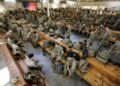
Washington is also expanding its operational posture across the region. According to reports, the Pentagon is considering deploying up to 10,000 additional ground troops to strengthen military readiness and expand contingency options if negotiations fail. In a notable technological shift, the United States has confirmed for the first time that it is using uncrewed drone speedboats in active patrol operations linked to the conflict an indication of evolving maritime tactics designed to secure key shipping lanes and deter Iranian naval disruption.
Trump warned that failure to reach an agreement could trigger intensified pressure on Tehran, including possible measures targeting its energy exports and maritime leverage. He also suggested that control over Iranian oil resources remained “an option,” though no operational details were provided.
The conflict is already reshaping regional diplomacy beyond the immediate battlefield. Iranian sources indicated that any future ceasefire framework must include security considerations involving Lebanon, reflecting Tehran’s broader regional strategic calculations. At the same time, mediation channels remain active despite continued missile exchanges, suggesting both sides are attempting to balance escalation with negotiation.
As energy markets react to uncertainty in the Gulf and shipping disruptions persist across major maritime corridors, the extension of the pause on strikes against Iran’s energy infrastructure represents a temporary diplomatic opening rather than a decisive breakthrough. With indirect talks continuing and military deployments expanding simultaneously, the coming weeks are likely to determine whether the conflict moves toward negotiated de-escalation or enters a more dangerous phase with global economic consequences.
-Olivia Shalal and Costas Feast