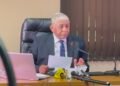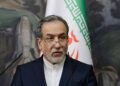


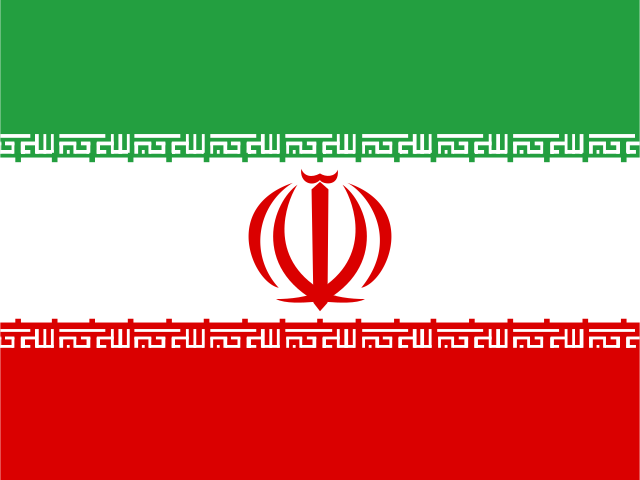
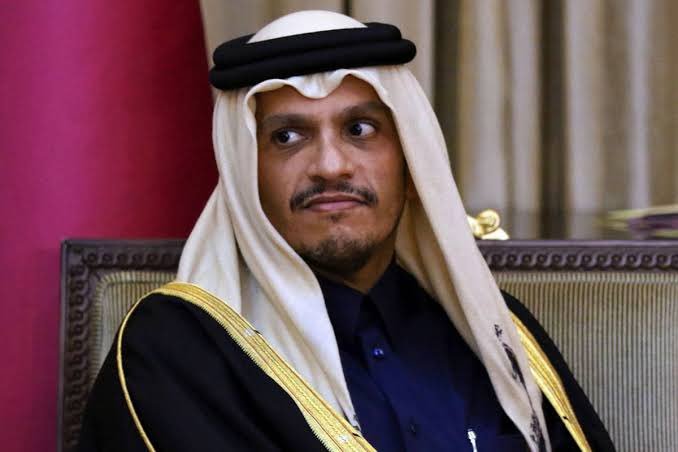
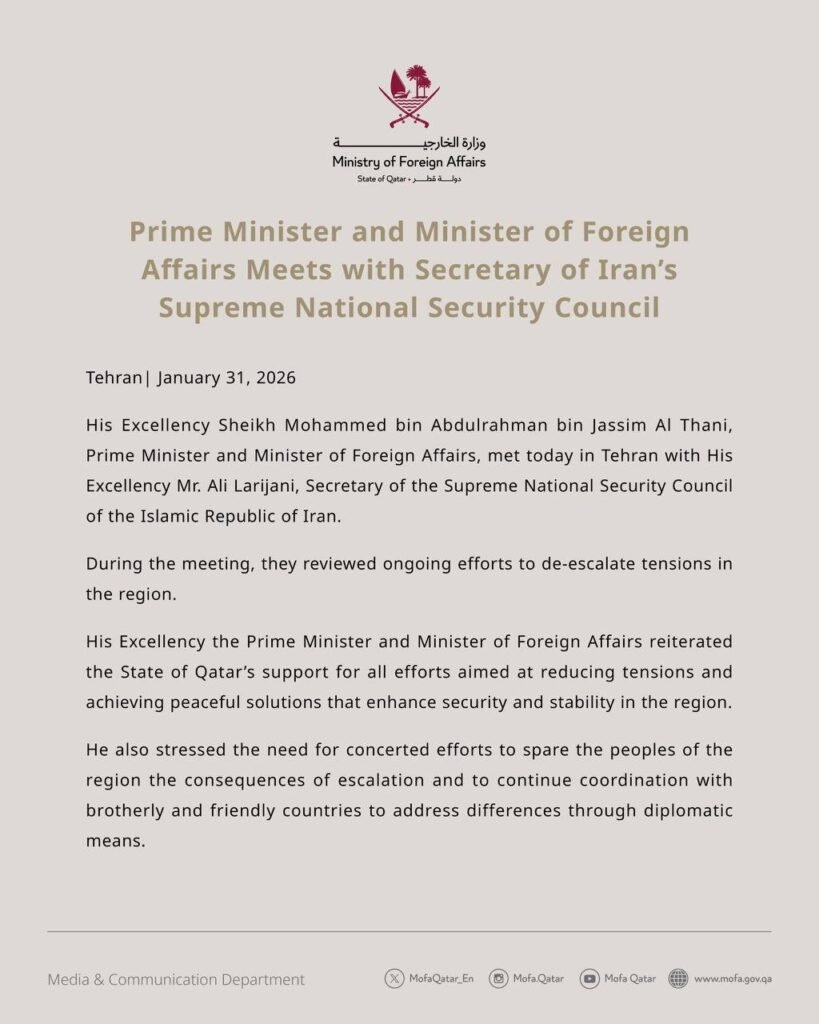
TEHRAN/DOHA: : Qatar’s Prime Minister and Foreign Minister Sheikh Mohammed bin Abdulrahman Al Thani met with Ali Larijani, Secretary of Iran’s Supreme National Security Council, in Tehran on Saturday in a high-profile diplomatic push to ease mounting regional tensions, Qatar’s foreign ministry said.
According to official statements from both Doha and Tehran, the discussions focused on ongoing efforts to de-escalate conflicts and political strains across the Middle East, reinforce diplomatic channels, and coordinate with regional partners to prevent further instability. Sheikh Mohammed reaffirmed Qatar’s support for peaceful solutions that protect the security and stability of all states in the region, and called for continued dialogue with “brotherly and friendly countries” to address political differences.
The meeting comes against a backdrop of increasing regional unease, particularly over tensions between Iran and the United States. U.S. President Donald Trump has recently weighed military action against Iran, including possible strikes intended to counter Tehran’s influence and capabilities, according to Western news reports. While Washington has not committed to a final course of military action, U.S. forces remain bolstered in the Gulf, and diplomatic efforts are underway to explore alternatives.
In parallel, Tehran has signaled some openness to negotiations with Washington, although Iranian officials insist that any talks must respect Iran’s sovereign defense priorities and not be conducted under coercion, Reuters reported on Friday.
Qatar’s role as an interlocutor reflects its long-standing diplomatic balancing act between Tehran and other global capitals. Doha has previously facilitated indirect engagement between Tehran and Washington, welcomed nuclear talks hosted by Oman, and maintained strategic ties with both sides in the conflict over Iran’s nuclear program.
The visit also follows a series of recent contacts between Qatar and Iran in the context of broader Middle East pressures, including Qatari efforts to encourage resumption of dialogue and reduce escalation risks tied to public unrest in Iran, unrest that has drawn international attention.
Regional capitals are increasingly wary of inadvertent escalation, particularly as rival powers assert political and military leverage. Doha’s mediation efforts, anchored in talks such as the one in Tehran on Saturday, underscore Gulf states’ desire to lessen the risk of direct confrontation while preserving diplomatic influence with all parties.
Officials from both countries did not disclose detailed outcomes of the meeting, but emphasized shared commitments to regional stability, diplomatic engagement, and reducing the humanitarian consequences of protracted tensions.
-WNN Desk